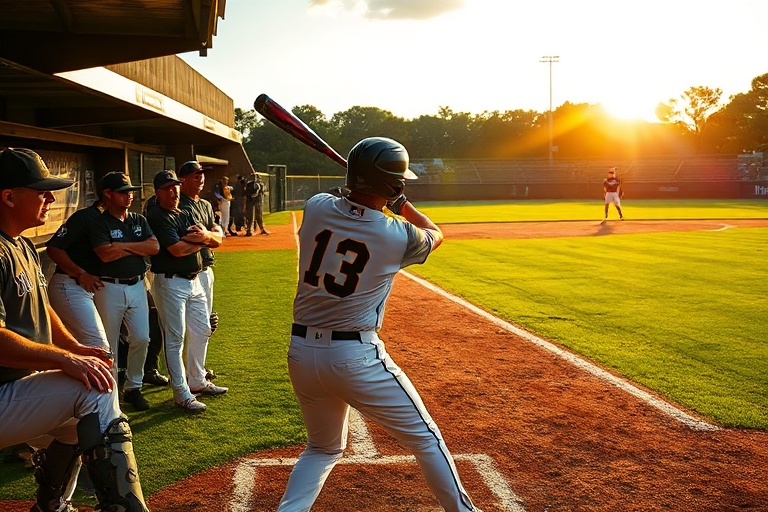
Wake Forest Baseball: How the Demon Deacons Became ACC Contenders
“`html
Wake Forest Baseball: Building a Competitive Program in the ACC
The Wake Forest baseball program has quietly established itself as a consistent contender in the competitive Atlantic Coast Conference. Under the leadership of head coach Tom Walter, the Demon Deacons have transformed from a struggling program into one that regularly appears in regional rankings and postseason play. The program’s recent success reflects a broader trend of baseball development in the ACC, where schools like Wake Forest are investing in facilities, coaching, and player development to compete with traditional powerhouses.
Wake Forest’s baseball tradition dates back to 1891, making it one of the oldest programs in college baseball. However, its modern era of success began in the mid-2010s when Walter took over in 2010. After rebuilding the program, the Demon Deacons reached the NCAA Tournament in 2016 and have appeared in five regionals since 2017. The team’s offensive firepower and strong pitching have been key drivers of this resurgence, drawing attention from MLB scouts and recruiting top-tier talent.
Program Evolution: From Rebuilding to Regional Contender
When Tom Walter arrived in Winston-Salem, Wake Forest baseball was in a rebuilding phase. The program had not reached the NCAA Tournament since 2009, and morale was low. Walter, a respected baseball mind with experience at Navy and UAB, set out to implement a culture of accountability and development. His approach emphasized player growth, both athletically and personally, which resonated with recruits and current players alike.
The turning point came in 2016 when Wake Forest won 39 games and earned an at-large bid to the NCAA Tournament. That season featured strong performances from key players like outfielder Jake Mueller and pitcher Parker Dunshee, who went on to be drafted by the Oakland Athletics. The momentum continued in 2017 when the Demon Deacons won the ACC Atlantic Division title—a first in program history—and advanced to the ACC Championship game. Since then, Wake Forest has remained a fixture in the top 25 rankings, proving that its success was not a fluke but a new standard.
One of the most significant changes under Walter’s tenure has been the program’s ability to develop Major League Baseball talent. Since 2015, the Demon Deacons have had 38 players drafted, including first-round pick Brock Wilken in 2023. This consistent pipeline of talent has kept Wake Forest competitive year after year, even when key players depart for professional careers.
Key Factors Behind Wake Forest’s Recent Success
Several factors have contributed to Wake Forest’s rise within the ACC and on the national stage. First and foremost is the program’s investment in facilities. The David F. Couch Ballpark, opened in 2009, underwent significant upgrades in 2018, including expanded seating, improved locker rooms, and enhanced training areas. These improvements have made the facility one of the best in the conference, helping attract top recruits who want to train in a modern environment.
Another critical element is Wake Forest’s pitching development. The program has consistently produced strong arms, from Parker Dunshee to Will Merrell to current ace Ryan Cusick. Cusick, a 2022 first-round draft pick, was a three-time All-ACC selection and set multiple program records for strikeouts. The pitching staff’s ability to limit walks and generate weak contact has been a hallmark of Wake Forest’s success, particularly in high-pressure postseason games.
Offensively, the Demon Deacons have relied on a balanced approach. The lineup typically features power hitters who can drive in runs, complemented by speed and contact hitters who put pressure on opposing defenses. In 2023, outfielder Michael Massey led the team with a .333 batting average and 16 home runs, earning All-ACC First Team honors. The program’s offensive philosophy emphasizes situational hitting and plate discipline, which has helped the team excel in close games.
The coaching staff’s ability to adapt and innovate has also played a role. Associate head coach Bill Cilento, who joined the staff in 2018, has been instrumental in refining the team’s defensive strategies and bullpen management. Meanwhile, recruiting coordinator Tom Holliday has built a network that targets players with high baseball IQs, ensuring that Wake Forest’s roster is filled with athletes who understand the nuances of the game.
The ACC Landscape: How Wake Forest Fits In
The Atlantic Coast Conference is one of the most competitive leagues in college baseball, featuring perennial powers like Florida State, Clemson, and Miami. Wake Forest’s ability to compete in this environment speaks to the program’s growth. While the Demon Deacons may not have the same resources as larger programs, their focus on player development and smart recruiting has allowed them to punch above their weight.
In recent years, Wake Forest has developed a strong rivalry with North Carolina State, with both teams frequently battling for positioning in the ACC Atlantic Division. The Demon Deacons have also had success against traditional ACC powers, including a 2023 series win over Clemson at Doug Kingsmore Stadium. These victories are not just wins on the scoreboard; they are statements that Wake Forest belongs among the conference’s elite.
Looking ahead, the ACC is set to expand to 17 teams in 2024, which could shift the balance of power in the league. Wake Forest will need to navigate this new landscape carefully, but the program’s recent consistency suggests it is well-positioned to adapt. The Demon Deacons’ focus on fundamentals and development could serve them well in a conference where parity is increasing.
What’s Next for Wake Forest Baseball?
The 2024 season represents another opportunity for Wake Forest to build on its recent success. With a strong returning core, including key pitchers and position players, the Demon Deacons are poised to contend for another ACC title and a deep run in the NCAA Tournament. The program’s ability to reload rather than rebuild has been a testament to its structure and leadership.
For fans and recruits alike, Wake Forest baseball offers more than just wins and losses. The program emphasizes education, character development, and preparation for life after baseball. Many players have gone on to successful careers in professional baseball, while others have pursued careers in business, law, and medicine. This balance between athletics and academics is a core part of Wake Forest’s identity.
Looking beyond the field, the program’s growth has had a ripple effect on the Wake Forest community. Attendance at David F. Couch Ballpark has increased, and alumni engagement has strengthened. The team’s success has also raised the profile of ACC baseball, proving that the conference is home to more than just football and basketball programs.
As the 2024 season approaches, all eyes will be on Wake Forest to see if the Demon Deacons can take the next step. A conference championship or a trip to Omaha would solidify the program’s place among college baseball’s elite. For now, the focus remains on preparation, execution, and maintaining the high standards that have defined Wake Forest baseball in the Walter era.
Why Wake Forest Baseball Matters in College Sports
Wake Forest baseball is more than just a team; it’s a symbol of what can be achieved through dedication, innovation, and a commitment to excellence. In an era where college athletics are often dominated by a few powerhouse programs, Wake Forest has carved out its own identity. The program’s success serves as an example for mid-major schools looking to compete at the highest level.
The Demon Deacons’ story is also one of community and tradition. From the iconic gold and black uniforms to the passionate fan base, Wake Forest baseball has a unique culture that sets it apart. Programs like this remind us that college baseball is not just about the MLB draft or TV contracts; it’s about the players, the coaches, and the fans who support them year after year.
For those interested in following Wake Forest baseball, the 2024 season promises to be exciting. With a talented roster and a coaching staff that knows how to maximize potential, the Demon Deacons are primed to make another run at postseason glory. Whether you’re a die-hard fan or a casual observer, Wake Forest baseball offers compelling stories, clutch performances, and a glimpse into the future of college sports.
To stay updated on Wake Forest baseball and other collegiate sports, visit Dave’s Locker News for the latest analysis and coverage. For in-depth breakdowns of ACC baseball, check out Dave’s Locker Sports, where you’ll find expert insights and game recaps.