The City of Atlanta has recently implemented a boil water advisory affecting multiple neighborhoods. Residents are understandably concerned about water safety and how to access up-to-date information. Understanding the advisory map and its implications is crucial for protecting your household during this public health precaution.
The Georgia Environmental Protection Division (EPD) issued the advisory after routine water quality testing detected potential contaminants in parts of the city’s distribution system. While no immediate health risks have been confirmed, the precautionary measure requires residents to boil tap water before consumption to eliminate any possible pathogens.
How to Access the Official Boil Water Advisory Map
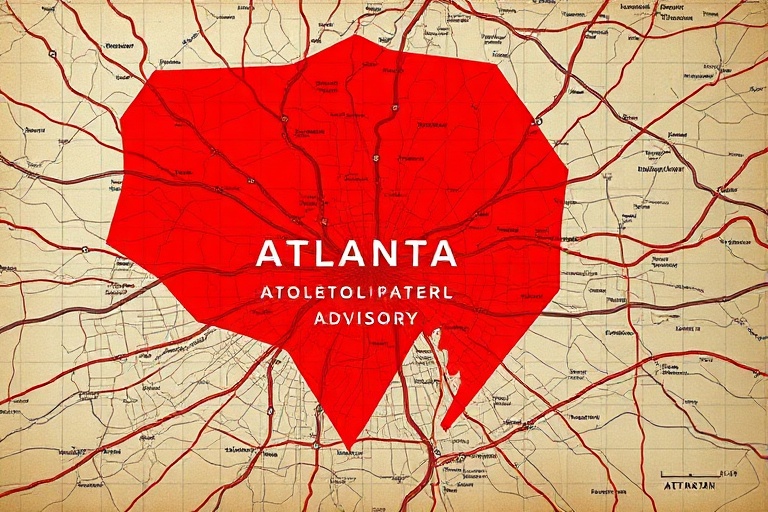
The Atlanta Department of Watershed Management maintains an interactive online map that shows affected areas in real time. This tool allows residents to enter their address and determine whether their neighborhood is included in the advisory zone. The map is updated continuously as new information becomes available.
To access the map, visit the official Atlanta Watershed Management website at https://www.atlanta.gov/watershed. The interface is user-friendly, with clear color-coding to distinguish between advisory zones and unaffected areas. Residents can also sign up for emergency alerts through the city’s notification system.
For those without internet access, the city has established a dedicated hotline at (404) 330-6300 where operators can provide map information and answer basic questions about the advisory. This dual approach ensures all residents can access critical information regardless of their technological resources.
Understanding the Advisory Zones and Their Boundaries
The advisory map divides the city into specific zones based on water distribution infrastructure. Each zone represents a distinct section of the municipal water system where testing detected potential issues. The boundaries are determined by water pressure zones, pipe networks, and treatment facility catchment areas.
The current advisory affects several well-established Atlanta neighborhoods, including:
- Downtown Atlanta and surrounding areas
- Midtown and parts of Buckhead
- Westside neighborhoods including West End and Adair Park
- East Atlanta and Kirkwood districts
- Portions of Southwest Atlanta near the airport
These zones may expand or contract as additional testing results come in. The map uses precise GIS data to create accurate boundaries, but residents should note that edge areas might experience temporary fluctuations in water quality status.
The city’s approach reflects lessons learned from previous water system challenges. By creating detailed zone maps, officials can target their response efforts more effectively and provide residents with actionable information rather than broad, city-wide advisories that may be unnecessary or insufficient.
What the Advisory Means for Atlanta Residents
For households within the advisory zones, the primary concern is water safety for drinking, cooking, and oral hygiene. The Centers for Disease Control and Prevention recommends boiling water for at least one minute (or three minutes at high altitudes) to kill any potential bacteria, viruses, or parasites that might be present.
Residents should take several precautions beyond boiling water:
- Use bottled water for drinking and preparing infant formula
- Clean food preparation surfaces carefully after use
- Avoid swallowing water while showering or bathing
- Disinfect water used for brushing teeth or washing dishes
- Monitor vulnerable household members, including children and elderly individuals
For those outside the advisory zones, the risk remains low but not impossible. Water distribution systems are interconnected, and pressure fluctuations can sometimes affect adjacent areas. The city recommends checking the map regularly even if you’re not currently in an affected zone.
Businesses face additional considerations, particularly restaurants, daycare centers, and medical facilities that must comply with strict water quality regulations. The Georgia Department of Public Health has issued specific guidance for these establishments, including temporary permit modifications and enhanced monitoring requirements.
How Long Will the Advisory Last?
The duration of a boil water advisory depends entirely on the results of ongoing water quality testing. Atlanta officials have stated that the current advisory could last anywhere from 24 hours to several days, depending on the contamination source and the time needed to resolve the issue.
The city’s protocol requires multiple consecutive days of clean test results before an advisory can be lifted. This conservative approach prioritizes public health over speed, even if it creates temporary inconveniences for residents.
Historical data shows that Atlanta’s water system advisories typically resolve within 48-72 hours once the root cause is identified and addressed. However, more complex issues involving infrastructure repairs can extend the timeline significantly. The city’s infrastructure challenges make this particularly relevant for current residents.
Residents can track the progress through daily updates posted on the Watershed Management website. The city also schedules regular press briefings to provide transparent communication about the situation’s resolution.
Preparing for Future Water System Challenges
While this specific advisory is temporary, it highlights the importance of water system resilience in aging urban infrastructure. Atlanta’s water pipes, some dating back to the early 20th century, face regular maintenance challenges that can affect water quality.
The city has invested in infrastructure upgrades through programs like the Atlanta Pure Water Initiative, which aims to replace aging pipes and improve treatment facilities. However, these projects take years to complete and require substantial funding.
Residents can take several steps to prepare for future advisories:
- Keep a supply of bottled water on hand for emergencies
- Have a backup water filtration system that can handle microbial contamination
- Know how to shut off your home’s main water supply in case of breaks
- Stay registered with the city’s emergency notification system
- Follow official social media accounts for real-time updates
For more information about Atlanta’s water infrastructure projects, visit the City of Atlanta Watershed Management Projects page. This resource provides details about ongoing improvements and long-term water quality initiatives.
Where to Find Reliable Information
In times of crisis, misinformation can spread as quickly as the issue itself. Atlanta residents should rely on official sources for accurate information about the boil water advisory. The most trustworthy resources include:
- Atlanta Watershed Management website – Primary source for zone maps and updates
- City of Atlanta social media accounts – Real-time notifications and clarifications
- Georgia Environmental Protection Division – Regulatory oversight and technical details
- Centers for Disease Control and Prevention – Health guidance and safety protocols
- Local news outlets – Context and analysis from trusted journalists
Community organizations have also stepped up to help disseminate information. Atlanta’s neighborhood planning units are hosting informational meetings, and local churches and community centers are serving as distribution points for bottled water in severely affected areas.
The collaborative response demonstrates how Atlanta’s diverse communities can unite during public health challenges. This spirit of cooperation will be essential as the city continues to address its aging infrastructure while maintaining high water quality standards.
For now, Atlanta residents should remain calm but vigilant. The boil water advisory is a routine public health measure that reflects the city’s commitment to water safety. By staying informed through official channels and following recommended precautions, households can protect themselves while the situation resolves.
The map serves as both a warning system and a tool for transparency. Understanding how to use it effectively ensures that every Atlantan can make informed decisions about their water consumption during this advisory period and beyond.