Basketball Fouls: Rules, Strategy, and Controversy Explained
“`html
Basketball Fouls Explained: Rules, Impact, and Controversies
Fouls define the boundaries of physicality in basketball, shaping how the game is played and officiated. They prevent dangerous play while allowing competitive intensity. Understanding fouls means understanding the balance between aggression and control on the court.
The Anatomy of a Basketball Foul
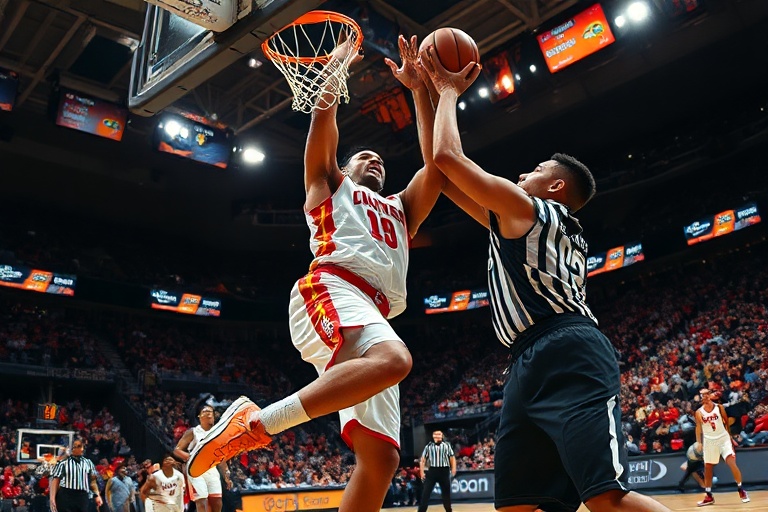
A foul in basketball occurs when a player makes illegal physical contact with an opponent. The rules are designed to protect players from harm while maintaining the flow of the game. Personal fouls accumulate, and after a set number, the player is disqualified. Team fouls also matter, triggering bonus free-throw situations in certain periods.
There are several types of fouls:
- Personal Fouls: Illegal contact such as pushing, holding, or blocking with the body.
- Flagrant Fouls: Violent or dangerous contact that may injure a player.
- Technical Fouls: Non-contact violations like unsportsmanlike conduct or disrespect toward officials.
- Loose Ball Fouls: Illegal contact during a battle for a loose ball on the floor.
Each foul type carries different consequences. Personal fouls count toward a player’s total, while flagrant fouls can lead to immediate ejection. Technical fouls result in free throws for the opposing team and may accumulate toward team penalties.
How Fouls Shape Strategy and Game Flow
Foul trouble isn’t just a statistic—it’s a strategic dilemma. Coaches must decide whether to bench a star player after their fifth foul or risk keeping them on the court. This creates a chess match between coaches, players, and referees.
Offensive players often draw fouls by initiating contact, using body movement to create advantages. Defenders foul when overcommitting or misjudging positioning. The art of drawing fouls, known as “hacking,” was once a primary offensive tactic in basketball, leading to rule changes like the introduction of the restricted area near the basket.
In the final minutes of close games, foul management becomes critical. Teams foul intentionally to stop the clock and regain possession, a tactic known as “fouling to extend.” This strategy relies on poor free-throw shooting by opponents, turning defense into an aggressive gamble.
Controversies and the Human Element
Despite clear rules, fouls remain one of the most debated aspects of basketball. Subjectivity plays a huge role. What one referee calls a block, another may see as a charge. This inconsistency fuels frustration among players, coaches, and fans alike.
Technology has tried to help. The NBA introduced replay centers and instant replay reviews to reduce human error. Yet, even with high-definition cameras, judgment calls remain contentious. Players like Russell Westbrook and Draymond Green have built reputations for pushing boundaries, drawing fouls or avoiding them through skillful play.
Another layer of controversy involves racial bias in officiating. Studies have shown disparities in foul calls based on player demographics. While leagues emphasize fairness, the perception of bias persists, especially in high-stakes moments.
The Ripple Effect: Fouls Beyond the Game
The impact of fouls extends beyond the scoreboard. Player fouls affect team chemistry. A key player benched due to foul trouble can shift momentum and alter game plans. This dynamic influences everything from draft strategies to contract negotiations, as teams prioritize players with high basketball IQ who avoid trouble.
Fouls also shape player development. Young athletes learn the fine line between aggression and discipline. Coaches emphasize positioning, footwork, and anticipation to reduce fouls while maintaining intensity. Programs invest in officiating clinics and video analysis to teach players how to play within the rules.
Off the court, fouls influence fan engagement. Controversial calls spark debates on social media, drive merchandise sales for referees in memes, and even affect betting lines in professional leagues. The emotional investment fans place in foul calls reflects basketball’s deep cultural connection.
“A foul called is a moment of truth—it can define a career, a season, or a championship.”