desi bling
“`html
Desi Bling: How South Asian Glamour Went Global
The term “desi bling” refers to the extravagant, jewel-encrusted accessories and attire originating from South Asian cultures, particularly in countries like India, Pakistan, Bangladesh, and Sri Lanka. While the phrase itself is modern, the aesthetic it describes has roots stretching back centuries, evolving from royal traditions into contemporary fashion statements that now captivate global audiences.
What began as symbols of status within royal courts has transformed into a mainstream phenomenon. Today, desi bling is celebrated not only in South Asian weddings and festivals but also on international red carpets, in streetwear, and even within high fashion. This evolution reflects a broader cultural shift where traditional aesthetics merge seamlessly with global trends, creating a distinctive and influential style.
The Historical Roots of Desi Bling
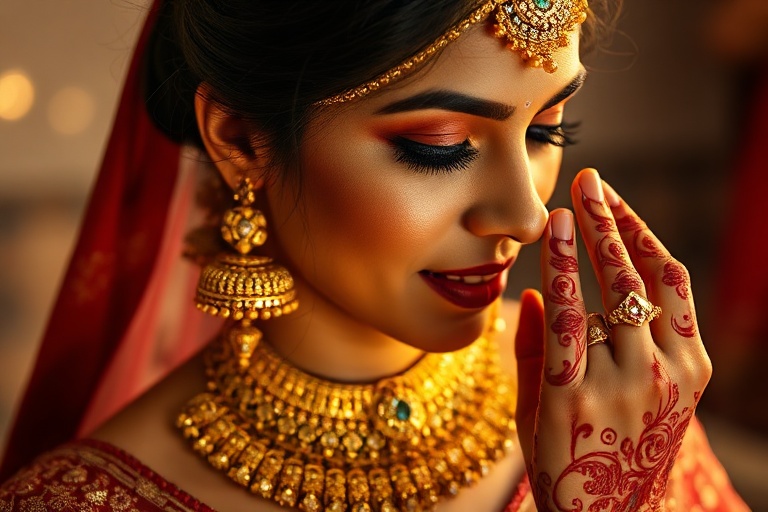
The origins of desi bling can be traced to the opulent jewelry and textiles of ancient South Asian civilizations. During the Mughal era, for instance, artisans crafted intricate gold and gemstone pieces that adorned emperors and nobility. These designs often featured elaborate patterns, such as the jhumka (bell-shaped earrings) and nath (nose rings), which were not merely decorative but carried deep cultural significance.
By the 19th and 20th centuries, South Asian jewelry became a staple in regional ceremonies, particularly weddings. Pieces like the haar (necklace) and payal (anklets) were crafted with meticulous detail, often passed down through generations as heirlooms. The craftsmanship involved techniques such as kundan (a type of gemstone setting) and meenakari (enamel work), which required generations of skill to perfect.
As South Asian diaspora communities grew in the 20th century, so did the global appeal of these designs. Immigrants carried their cultural aesthetics with them, introducing desi bling to new audiences. Over time, these traditional pieces began to appear in mainstream fashion, blending heritage with contemporary trends.
Modern Interpretations: From Weddings to Runways
Today, desi bling has transcended its traditional boundaries, making appearances in unexpected places. High-profile events like the Met Gala and London Fashion Week have featured designers incorporating South Asian jewelry into their collections. Brands such as Sabyasachi Mukherjee and Anita Dongre have gained international acclaim for reimagining classic desi designs with a modern twist.
One of the most notable shifts has been the incorporation of desi bling into everyday fashion. Statement pieces like chunky gold bangles, embellished jhumkas, and intricately designed belts are now common in streetwear and casual outfits. This fusion of traditional and contemporary styles has been embraced by celebrities and influencers, further solidifying desi bling’s place in global fashion.
A prime example is the rise of “desi-inspired” jewelry lines from mainstream brands. Companies like Mejuri and Missoma have introduced collections that draw from South Asian motifs, making them accessible to a wider audience. Meanwhile, South Asian designers continue to innovate, experimenting with materials like oxidized silver and unconventional gemstones to create pieces that feel fresh yet rooted in tradition.
The Role of Social Media in Popularizing Desi Bling
Social media has played a pivotal role in the global dissemination of desi bling. Platforms like Instagram and TikTok have allowed designers, influencers, and enthusiasts to showcase their styles, often blending South Asian aesthetics with other cultural trends. Hashtags like #DesiBling and #SouthAsianFashion have amassed millions of views, creating communities around this unique style.
Influencers like Dolly Singh and Komal Pandey have become pivotal in bridging the gap between traditional desi fashion and global audiences. Their curated content often highlights the versatility of desi bling, demonstrating how a single statement piece can elevate an entire outfit. This digital exposure has also led to collaborations between South Asian designers and international brands, further expanding the reach of desi aesthetics.
Moreover, social media has democratized fashion, allowing independent artisans to gain recognition alongside established designers. Platforms like Etsy and Instagram have become marketplaces for handcrafted desi bling, connecting creators directly with consumers who value authenticity and craftsmanship.
The Cultural Significance of Desi Bling
Beyond its aesthetic appeal, desi bling carries deep cultural meanings. In South Asian weddings, for example, jewelry is not just a fashion statement but a symbol of prosperity, love, and familial bonds. Pieces like the maang tikka (forehead ornament) and chura (red and white bangles) are integral to bridal attire, each holding specific symbolic value.
For the diaspora, desi bling serves as a tangible connection to heritage. Wearing traditional jewelry can be an act of cultural preservation, especially for those born or raised outside South Asia. It allows individuals to express pride in their roots while navigating their identity in a globalized world.
At the same time, desi bling has also sparked conversations about cultural appropriation versus appreciation. While the global fashion industry often borrows from marginalized cultures, it is essential to recognize the origins and significance of these designs. Many South Asian designers and activists advocate for ethical consumption, encouraging consumers to support artisans and brands that honor traditional craftsmanship.
How to Style Desi Bling in Modern Outfits
Incorporating desi bling into contemporary wardrobes requires a balance between boldness and subtlety. Here are a few ways to style these pieces:
- Minimalist Approach: Pair a single statement piece, such as a pair of jhumkas or a delicate gold necklace, with a monochrome outfit to let the jewelry stand out without overwhelming the look.
- Eclectic Mix: Combine desi bling with modern fashion staples, such as layering a chunky kada (bangle) with a leather jacket or pairing an embroidered clutch with a sleek jumpsuit.
- Bridal Inspiration: Use traditional pieces like the haar or payal to add a touch of elegance to evening wear or festive attire.
- Streetwear Fusion: Incorporate desi bling into casual outfits by adding a statement belt or a pair of embellished sandals to a jeans-and-tee ensemble.
The key is to experiment and find a balance that feels authentic to your personal style while paying homage to the cultural roots of these pieces.
The Future of Desi Bling
As global fashion continues to evolve, desi bling is poised to play an even larger role in mainstream aesthetics. The demand for sustainable and ethically sourced jewelry aligns well with the values of many South Asian artisans, who prioritize handcrafted techniques over mass production.
Additionally, the increasing representation of South Asian designers and models in the fashion industry is paving the way for greater visibility of desi bling. Events like the South Asian Fashion Week and initiatives like the Indian Couture Week highlight the innovation within this space, attracting a diverse audience.
Looking ahead, desi bling may also inspire new trends in unisex and gender-neutral fashion. Traditional pieces like the kada and nath are already being reimagined for all genders, reflecting a broader shift toward inclusivity in fashion.
Ultimately, the rise of desi bling is more than just a trend—it is a celebration of cultural heritage and artistic innovation. As it continues to gain global recognition, it serves as a reminder of the power of tradition in shaping contemporary style.
Conclusion
Desi bling represents a vibrant fusion of tradition and modernity, rooted in centuries of craftsmanship and cultural significance. From royal courts to global runways, these exquisite pieces have transcended their origins to become symbols of glamour and identity. As the world becomes more interconnected, the influence of desi bling is likely to grow, inspiring new generations of designers and fashion enthusiasts.
For those looking to embrace this trend, the key lies in understanding its cultural depth and styling it in a way that feels authentic. Whether through a single statement piece or a fully adorned look, desi bling offers a unique opportunity to celebrate heritage while making a bold fashion statement.
As South Asian voices continue to shape the global fashion landscape, desi bling stands as a testament to the enduring appeal of cultural aesthetics in an ever-changing world.
—
METADATA
{
“title”: “Desi Bling: How South Asian Glamour Went Global”,
“metaDescription”: “Explore the rise of desi bling from royal traditions to global fashion trends and its cultural impact worldwide.”,
“categories”: [“Culture”, “Fashion”],
“tags”: [“desi bling”, “South Asian fashion”, “jewelry trends”, “cultural fashion”, “designer jewelry”],
“imageDescription”: “A vibrant flat lay of intricately designed South Asian jewelry, including gold bangles, jhumkas, and a maang tikka, arranged on a richly textured fabric with warm lighting to highlight the craftsmanship.”
}
—END METADATA—
“`