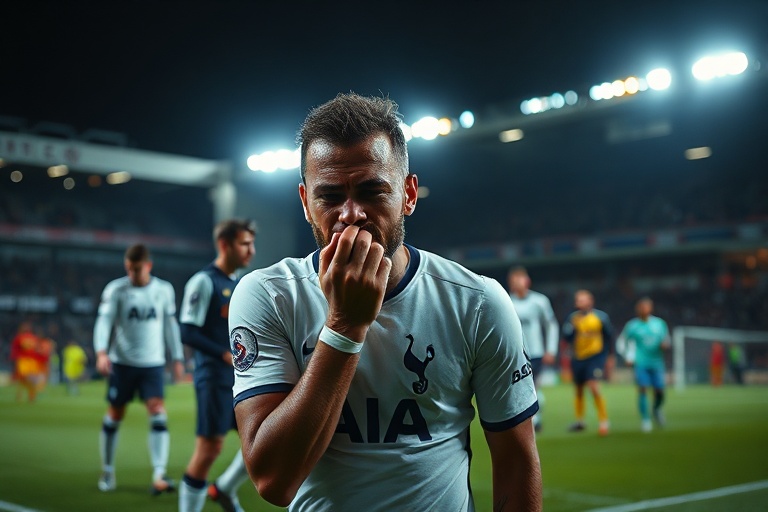
Djed Spence’s recent injury, which resulted in a broken jaw, has sent shockwaves through the football world. The Tottenham Hotspur right-back’s absence has not only affected his club’s defensive lineup but also sparked conversations about player safety, recovery timelines, and the emotional toll of injuries in modern sports. As fans and analysts dissect the incident, Spence’s journey toward healing becomes a focal point for both his career and the broader football community.
Born in London and raised in the competitive youth systems of Fulham and Tottenham, Spence has emerged as a promising talent in English football. His aggressive playing style and technical ability have made him a fan favorite, particularly among supporters who appreciate his versatility and work ethic. However, his recent injury serves as a reminder of the physical risks inherent in the sport, regardless of a player’s skill level or experience.
The Incident: What Happened and How It Unfolded
Spence suffered the injury during a Premier League match against Manchester United in early October. The clash, which ended in a narrow defeat for Tottenham, took a dramatic turn when Spence collided with an opposing player. The force of the impact was enough to fracture his jaw, an injury that required immediate medical attention. Video footage from the match captured the collision, showing Spence wincing in pain before being substituted.
Initial reports confirmed the severity of the injury, with medical staff on the pitch moving swiftly to assess the situation. Tottenham’s medical team later revealed that Spence had undergone surgery to stabilize the fracture, a procedure that involved the insertion of plates and screws to ensure proper alignment during the healing process. The club released a statement emphasizing the player’s resilience and commitment to recovery, while fans took to social media to express their support.
Reactions from Fans and Analysts
In the aftermath of the injury, social media became a hub for discussions about Spence’s condition. Supporters shared messages of encouragement, flooding his Instagram posts with well-wishes and prayers. Many fans also criticized the physical nature of the collision, questioning whether more could be done to protect players from such high-impact incidents. The incident reignited debates about stronger regulations on tackles and the need for enhanced safety measures in football.
Analysts weighed in on how Spence’s absence would impact Tottenham’s defensive structure. Known for his overlapping runs and defensive solidity, Spence’s role in the team’s attack and defense is crucial. His temporary replacement, Pedro Porro, has been praised for stepping up, but questions linger about whether Tottenham can maintain their defensive record without their first-choice right-back. The club’s management has reiterated their focus on Spence’s recovery, with manager Ange Postecoglou emphasizing the importance of patience during the healing process.
Recovery Timeline: What to Expect for Spence
Medical experts suggest that Spence’s recovery from a broken jaw will likely take several weeks, if not months. The initial phase involves rest and a liquid or soft-food diet to avoid straining the healing bone. Surgeons typically recommend avoiding contact sports for at least six to eight weeks, depending on the severity of the fracture and the individual’s healing progress. For a professional athlete, this downtime can be mentally challenging, as the inability to train or play can lead to frustration and anxiety.
Spence’s rehabilitation will likely include a gradual return to light exercises, followed by more intensive training as his jaw heals. Physiotherapists may focus on strengthening the surrounding muscles to prevent stiffness and ensure a smooth recovery. The player’s mental resilience will play a key role in his ability to bounce back, as the psychological aspect of injury recovery is often underestimated. Clubs and medical staff are increasingly prioritizing mental health support for injured players, recognizing that recovery is as much about mindset as it is about physical healing.
Comparisons to Other High-Profile Football Injuries
Spence’s injury is not an isolated incident in football. Over the years, numerous players have faced similar setbacks, each with its own unique challenges. For example, Liverpool’s Virgil van Dijk suffered a serious knee injury in 2020 that kept him sidelined for nearly a year. His recovery process was widely documented, highlighting the meticulous planning and support required for a player to return to peak performance. Similarly, Arsenal’s Emile Smith Rowe missed significant time due to a thigh injury in 2021, demonstrating how even minor setbacks can disrupt a player’s rhythm and confidence.
These cases underscore the unpredictable nature of football injuries. While some players return stronger after rehabilitation, others struggle to regain their form, highlighting the fine line between resilience and long-term consequences. For Spence, the road ahead will require a balance of patience, discipline, and trust in his medical team’s expertise. His ability to navigate this period could shape the trajectory of his career, serving as a test of his character and determination.
Global Perspectives: How Football Injuries Are Viewed Worldwide
Football’s global appeal means that injuries like Spence’s resonate far beyond the confines of the Premier League. In South America, where the physicality and intensity of the game are often celebrated, injuries are seen as an inevitable part of the sport. Players like Neymar and Vinícius Júnior have faced their share of setbacks, with fans and media outlets rallying around them in times of need. The cultural emphasis on passion and perseverance in Latin American football creates a unique environment where injuries are met with both concern and stoicism.
In contrast, European football often places a stronger emphasis on data-driven approaches to injury prevention and recovery. Clubs in leagues like La Liga and the Bundesliga invest heavily in sports science, using advanced technology to monitor players’ physical conditions and reduce the risk of injuries. This scientific approach has led to improvements in recovery protocols, but it also raises questions about the balance between innovation and tradition in the sport.
In Africa, where many players serve as role models for aspiring athletes, injuries can have a profound impact on local communities. Young players often look up to professionals like Spence, seeing them as symbols of what can be achieved through hard work and dedication. When a player of his caliber faces a setback, it sends a message about the fragility of careers in football and the importance of prioritizing long-term health over short-term gains.
Lessons from Spence’s Injury for Clubs and Players
Spence’s injury offers several lessons for clubs, players, and governing bodies. First, it highlights the need for stricter enforcement of rules designed to protect players. While football has made strides in recent years with initiatives like the introduction of VAR (Video Assistant Referee), there is still room for improvement in reducing dangerous tackles and collisions. Referees and officials must remain vigilant in penalizing reckless play to prevent injuries before they occur.
Second, the incident underscores the importance of mental health support for players. The psychological toll of an injury can be just as debilitating as the physical damage, particularly for young players who are still developing their careers. Clubs must provide resources such as sports psychologists and peer support networks to help players cope with the emotional challenges of recovery.
Finally, Spence’s situation serves as a reminder of the unpredictability of football. Even the most prepared athletes can face setbacks, and clubs must have contingency plans in place to manage such scenarios. Whether through loan signings, youth promotions, or tactical adjustments, flexibility is key to navigating the uncertainties of the sport.
As Djed Spence continues his recovery, the football world watches closely. His journey is not just about returning to the pitch but also about reclaiming his place in a sport that demands both physical and mental fortitude. For fans of sports, his story is a testament to the resilience required to overcome adversity and the enduring power of football to unite people across cultures and continents.
Conclusion: A Moment of Reflection for Football
Djed Spence’s broken jaw is more than just an injury—it is a moment of reflection for football as a global sport. It challenges clubs to prioritize player safety, players to embrace vulnerability, and fans to appreciate the human side of the game. In an era where football is increasingly commercialized and scrutinized, Spence’s story reminds us of the sport’s core values: passion, perseverance, and community.
As Spence works toward his return, his story will likely inspire others to share their own experiences with injury, fostering a culture of openness and support. For now, the football world waits, united in hope for his recovery and inspired by his courage in the face of adversity.