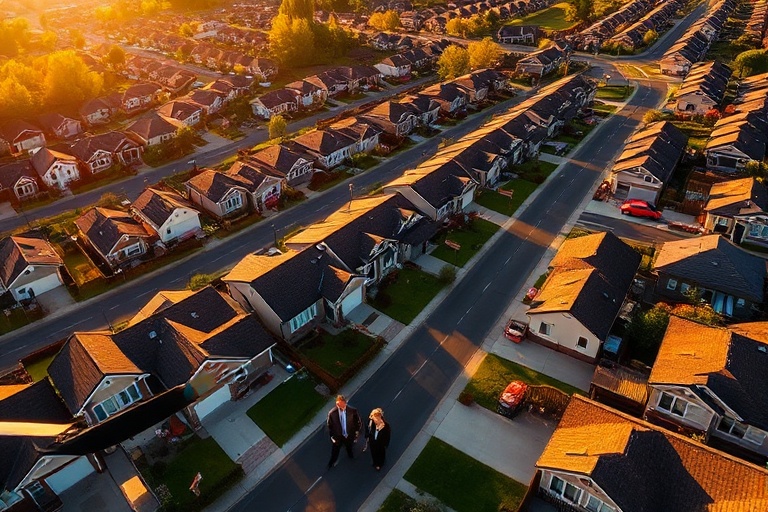
The housing market remains a cornerstone of economic stability, yet its fluctuations often leave buyers, sellers, and investors searching for clarity. Home prices are more than just numbers—they reflect broader economic trends, policy decisions, and societal shifts. Understanding the forces behind these changes can help stakeholders make informed decisions in an increasingly complex landscape.
Recent data shows a mixed picture. While some regions experience cooling prices, others see persistent growth driven by limited inventory and high demand. This divergence highlights the localized nature of real estate, where geography, demographics, and economic conditions play pivotal roles. To navigate this environment, it’s essential to examine the underlying drivers of home prices and their broader implications.
The Key Drivers of Home Prices in 2024
Several interconnected factors shape home prices, each with varying degrees of influence depending on the market. Supply and demand remain the most fundamental forces, but other elements—such as interest rates, economic policy, and demographic trends—also play significant roles. Below are the primary drivers currently shaping the market:
- Interest Rates and Mortgage Costs: The Federal Reserve’s monetary policy has a direct impact on borrowing costs. Higher interest rates increase mortgage payments, reducing purchasing power and often cooling price growth. Conversely, lower rates stimulate demand, pushing prices upward.
- Housing Inventory Levels: A shortage of available homes—particularly in desirable urban and suburban areas—creates competition among buyers, driving prices higher. Construction delays, zoning restrictions, and labor shortages contribute to this imbalance.
- Economic Conditions and Employment: Strong job markets and rising wages typically boost homebuyer confidence, increasing demand. However, economic uncertainty or job market volatility can suppress activity, leading to price stagnation or declines.
- Demographic Shifts: Millennials entering their peak homebuying years, along with immigration and urbanization trends, influence demand patterns. Areas with growing populations often see sustained price appreciation.
- Government Policies and Incentives: Tax incentives, subsidies for first-time buyers, and zoning reforms can alter market dynamics. For example, programs like the Mortgage Credit Certificate (MCC) help lower-income buyers afford homes, indirectly supporting prices.
The interplay of these factors creates a dynamic market where prices can rise or fall rapidly. For instance, regions with strict zoning laws may struggle to expand housing supply, exacerbating price pressures even as demand wanes due to higher interest rates. Conversely, areas with relaxed regulations and robust job growth may continue to see price appreciation despite economic headwinds.
Regional Disparities: Why Home Prices Vary So Widely
Not all housing markets move in tandem. The national average price can mask significant regional disparities, where local economic conditions, climate preferences, and lifestyle factors create divergent trends. For example, coastal cities like San Francisco and New York often command premium prices due to limited space and high demand from high-income earners. In contrast, Rust Belt cities such as Detroit or Cleveland may experience slower growth or even price declines due to outmigration and economic challenges.
Other factors contributing to regional differences include:
- Climate and Geography: Areas prone to natural disasters (e.g., hurricanes, wildfires) may see lower demand and price suppression, while regions with favorable climates attract more buyers.
- Remote Work Trends: The shift to remote work has fueled demand in suburban and rural areas, where buyers seek more space at lower prices. This has led to price surges in previously affordable markets.
- Local Amenities and Infrastructure: Proximity to quality schools, healthcare, transportation, and cultural attractions can significantly boost home values. Cities investing in public transit or green spaces often see higher price growth.
- Tax Policies: States with lower property taxes or no income tax attract buyers, increasing competition and driving up prices. For example, Texas and Florida have seen substantial population inflows, pushing home prices higher.
These regional nuances underscore the importance of localized analysis when assessing home prices. Buyers and investors must look beyond national trends to understand the specific dynamics of their target markets. Tools like the Real Estate category on Dave’s Locker can provide region-specific insights and trends.
The Broader Economic Impact of Rising Home Prices
Home prices don’t exist in a vacuum—they have far-reaching consequences for individuals, communities, and the broader economy. When prices surge, homeowners gain wealth through increased equity, which can stimulate consumer spending and economic growth. However, high prices also create barriers to homeownership, particularly for younger generations and low-to-moderate-income families. This can lead to widening wealth gaps and social inequality.
Rising home prices also impact rental markets. As buying becomes less affordable, demand for rentals increases, driving up rents and contributing to housing insecurity. This dynamic has fueled debates about affordable housing policies, with cities like Minneapolis and Portland experimenting with zoning reforms to increase density and lower costs.
Moreover, the real estate sector itself is a significant economic driver. Construction, real estate services, and related industries employ millions of workers. A slowdown in home sales or price corrections can ripple through the economy, affecting jobs and consumer confidence. For instance, the 2008 financial crisis demonstrated how a housing market collapse could trigger a broader economic recession.
Policymakers face a delicate balance: supporting homeownership and economic growth while preventing speculative bubbles that could destabilize the market. Initiatives like down payment assistance programs or incentives for affordable housing construction aim to address these challenges, but their effectiveness varies by region and implementation.
What the Future Holds for Home Prices
Predicting home prices is notoriously difficult, but several trends offer clues about the market’s direction. Demographic shifts, such as the aging of the Baby Boomer generation and the rise of Gen Z as a major consumer group, will shape demand in the coming decades. Additionally, climate change is increasingly influencing housing decisions, with buyers prioritizing resilience and sustainability in their home choices.
On the supply side, innovations in construction technology—such as modular housing and 3D-printed homes—could help alleviate inventory shortages. However, regulatory hurdles and labor shortages may limit the pace of these advancements. Meanwhile, interest rate cuts by the Federal Reserve could stimulate demand, though the timing and magnitude of such moves remain uncertain.
For buyers and sellers, the key to navigating this uncertainty lies in understanding local market conditions and long-term trends. While national headlines often focus on dramatic price swings, the most successful real estate strategies are rooted in data and adaptability. Resources like Dave’s Locker’s Finance category can provide tools and insights to help stakeholders make informed decisions.
The housing market is a reflection of broader economic and social forces, and its future will be shaped by how these forces evolve. For now, stakeholders must remain vigilant, flexible, and informed as they navigate the complexities of home prices in 2024 and beyond.
Key Takeaways for Buyers, Sellers, and Investors
- Buyers: Focus on affordability and long-term value. Consider markets with growing job opportunities and reasonable price-to-income ratios. Pre-approval for a mortgage can provide leverage in competitive bidding situations.
- Sellers: Timing matters. Monitor local inventory levels and interest rate trends to determine the optimal time to list. Staging and minor renovations can enhance a home’s appeal without breaking the bank.
- Investors: Diversify your portfolio to mitigate risk. Look for markets with strong rental demand or potential for future appreciation, but avoid overleveraging in overheated markets.
- Policymakers: Address housing affordability through a mix of supply-side solutions (e.g., zoning reform, incentives for affordable construction) and demand-side measures (e.g., down payment assistance, tax credits).
Ultimately, the housing market is a dynamic ecosystem where multiple forces converge. By staying informed and adaptable, stakeholders can position themselves for success in an ever-changing landscape.