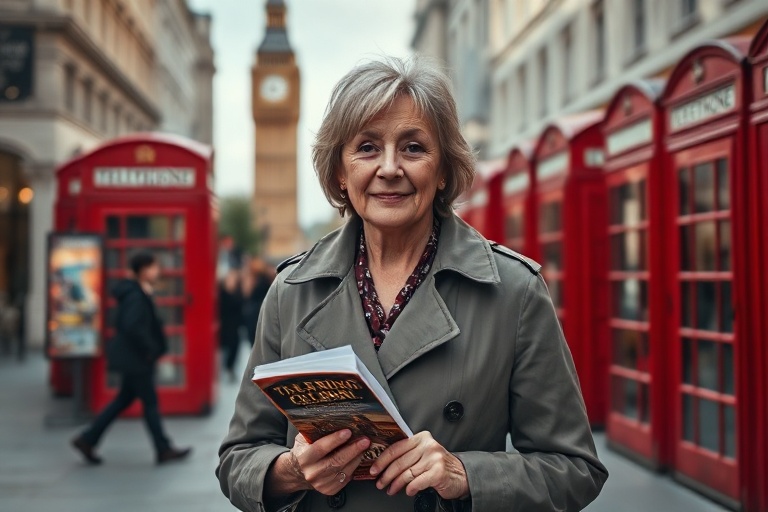
For over four decades, Judith Chalmers has been synonymous with travel television in Britain. Her warm yet authoritative presence on screen introduced millions to destinations across the globe, shaping how an entire generation perceived adventure and exploration. More than just a presenter, Chalmers became a cultural touchstone—a figure whose influence extended far beyond the confines of her travel programs.
A Pioneering Career That Shaped Travel Media
Judith Chalmers’ career began in the early 1970s, a time when travel television was still in its infancy. She quickly distinguished herself not only through her extensive knowledge of global cultures but also through her ability to connect with audiences on a personal level. Her work on Wish You Were Here…?, which ran from 1974 to 2003, established her as the nation’s foremost travel guide.
Unlike many television personalities of her era, Chalmers avoided the flashy, over-the-top presentation style that defined some of her contemporaries. Instead, she relied on authenticity and genuine curiosity. Whether she was trekking through the Amazon or exploring a quiet village in Tuscany, her down-to-earth demeanor made distant places feel accessible. This approach helped democratize the idea of travel, convincing everyday Britons that the world was not just for the wealthy elite.
Key Contributions to Travel Journalism
- Accessible storytelling: Chalmers made complex cultures understandable without dumbing them down.
- Cultural ambassador role: She bridged gaps between British tourists and local communities.
- Longevity in broadcasting: Her career spanned multiple decades, reflecting sustained public trust.
- Educational influence: Many viewers credit her programs with inspiring their own travels.
The Cultural Impact of a National Treasure
Chalmers’ influence extended beyond television. She became a symbol of British exploration at a time when international travel was becoming more affordable and mainstream. Her programs were not just about showing pretty landscapes—they were about human connection. She interviewed locals, sampled regional cuisine, and participated in traditional ceremonies, offering viewers a deeper understanding of the places they might one day visit.
Her impact can be measured in the rise of British tourism during the late 20th century. As more people gained access to flights and disposable income, Chalmers’ gentle encouragement gave them the confidence to book their first overseas trips. Travel agencies reported increased bookings to destinations featured on her shows, proving that television could directly influence consumer behavior.
In an era before social media influencers, Chalmers occupied a unique space. She wasn’t selling a lifestyle; she was sharing one. This authenticity resonated in an age when trust in media was beginning to wane. For many families, her programs became a trusted source of information, blending entertainment with education in a way few could replicate.
Beyond Television: Chalmers’ Lasting Legacy
Even after retiring from regular television, Chalmers has remained active in the travel world. She has written several books, including travel guides and memoirs that capture her experiences. Her writing maintains the same conversational tone as her television appearances, making it equally engaging whether read on a train or in an armchair at home.
Her legacy also lives on in the careers of those she inspired. Many contemporary travel presenters cite Chalmers as a major influence on their own styles. The respect she commands within the industry is evident in the numerous awards and honors she has received, including an MBE in 1993 for services to tourism and broadcasting.
More broadly, Chalmers represents a time when television had the power to shape national perceptions. In an age of fragmented media and short attention spans, her career offers a reminder of television’s potential to educate, inspire, and connect people across distances and cultures.
Why Judith Chalmers Still Matters Today
In today’s hyper-connected world, where travel influencers post curated snapshots from five-star resorts, Chalmers’ approach feels refreshingly genuine. She reminds us that travel is not about luxury or social media validation—it’s about curiosity, respect, and discovery. Her programs celebrated the ordinary as much as the extraordinary, finding wonder in a bustling market or a quiet conversation.
As sustainability becomes an increasingly important consideration in travel, Chalmers’ ethos of respectful tourism seems more relevant than ever. She often highlighted local customs and environmental concerns long before these topics entered mainstream travel discourse. This forward-thinking perspective ensures her work continues to offer value beyond nostalgia.
For new generations discovering her work through archives and streaming services, Chalmers represents a golden age of travel television—one that balanced professionalism with warmth, expertise with accessibility. In an era of algorithm-driven content, her human touch stands out as a testament to the power of genuine connection.
Judith Chalmers didn’t just present travel; she made it matter. Her influence on British tourism and media culture remains profound, proving that the right voice at the right time can change how an entire nation sees the world.
For more on influential figures in travel media, explore our Travel and Entertainment sections.