Manchester Arena Bombing: The Attack That Shook the World
“`html
The Manchester Arena Bombing: A Dark Day in Modern History
The Manchester Arena bombing on May 22, 2017, remains one of the most devastating terrorist attacks in the United Kingdom since the 7/7 London bombings in 2005. The attack occurred as concertgoers, many of them young fans of Ariana Grande, were leaving the venue following her “Dangerous Woman” tour. A homemade explosive device detonated in the foyer, killing 22 people and injuring over 1,000 others. The attack was claimed by the Islamic State group, which framed it as retaliation against Western military interventions in Muslim-majority countries.
The bombing sent shockwaves through the global community, not only because of its scale but also due to the indiscriminate targeting of children and families. The global outpouring of grief and solidarity that followed demonstrated the unifying power of tragedy. Vigils were held worldwide, and the hashtag #WeStandTogether trended on social media platforms, reflecting a collective refusal to be divided by fear.
The Attack: A Timeline of Horror
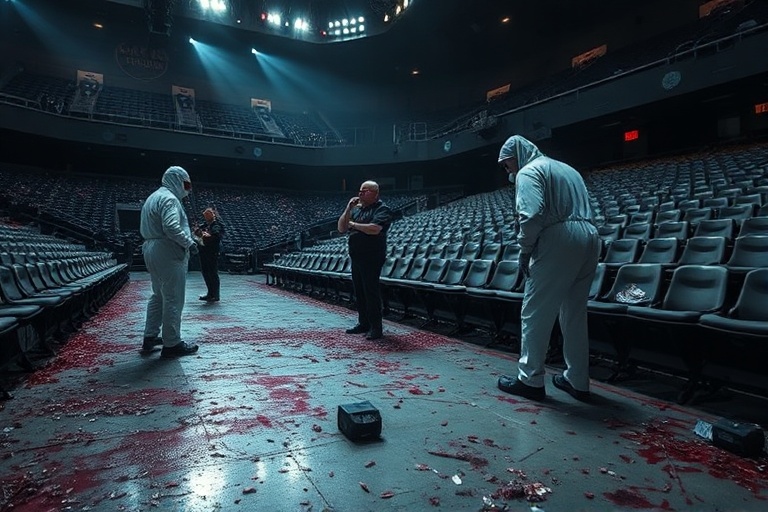
The evening began like any other for the 14,000-strong audience at Manchester Arena. Ariana Grande’s concert had concluded around 10:30 PM, and families were gathering outside in the foyer area, waiting to collect their children or simply chatting in the mild spring air. At 10:31 PM, a bomb detonated in a backpack left near a trash can by a lone attacker, Salman Abedi. The explosion ripped through the crowd, collapsing part of the ceiling and sending debris flying.
Emergency services responded within minutes. Paramedics, police officers, and firefighters worked tirelessly through the night to evacuate survivors and treat the wounded. The attack’s location—just outside the arena’s secure zone—meant that many of the injured were children and teenagers. The youngest victim was eight-year-old Saffie Roussos, whose life was cut short as she waited for her mother outside the venue.
The Manchester Arena bombing was not just an act of violence; it was an attack designed to maximize civilian casualties in a public space. The choice of Ariana Grande’s concert, which drew a predominantly young and female audience, was deliberate. It reflected a broader trend in modern terrorism, where soft targets like entertainment venues, markets, and public transport are increasingly exploited to terrorize societies.
Global Reactions and the Fight Against Terrorism
The international response to the Manchester Arena bombing was swift and unequivocal. World leaders, including then-U.S. President Donald Trump and French President Emmanuel Macron, condemned the attack and offered support to the UK. The United Nations Security Council issued a statement calling for unity in the face of terrorism, while the European Union pledged to strengthen cooperation in countering violent extremism.
In the days following the bombing, Manchester became a symbol of resilience. The city’s famous Christmas lights display, which had been switched off in solidarity with the victims, was relit in a poignant ceremony. Local businesses and residents poured in donations, volunteers, and messages of hope. The phrase “Manchester is strong” became a mantra, echoing the city’s defiance in the face of adversity.
However, the attack also reignited debates about security and immigration policies. Salman Abedi, the 22-year-old bomber, was the son of Libyan immigrants who had settled in the UK. His family had ties to extremist groups, and he had reportedly traveled to Libya in the weeks leading up to the attack. This raised questions about the effectiveness of deradicalization programs and the challenges of monitoring individuals with extremist leanings.
In the years since the bombing, the UK government has invested heavily in public safety measures. The “Protect Duty” legislation, proposed in 2021, aims to enhance security at public venues by mandating risk assessments and counterterrorism training for staff. While these measures have been welcomed by many, critics argue that they do not address the root causes of radicalization, such as social alienation and online extremism.
The Cultural Legacy: Music, Memory, and Solidarity
The Manchester Arena bombing left an indelible mark on the cultural landscape of the UK and beyond. In the immediate aftermath, Ariana Grande returned to Manchester to headline a benefit concert, One Love Manchester, alongside artists like Justin Bieber, Miley Cyrus, and Coldplay. The event raised over £2 million for the victims and their families, while also serving as a powerful statement against terrorism.
The concert was broadcast to millions worldwide, showcasing the healing power of music and community. It also highlighted the role of celebrities in shaping public discourse around tragedy. Grande’s emotional performance of Somewhere Over the Rainbow became a viral moment, symbolizing hope and resilience in the face of darkness.
Beyond the music industry, the bombing has been memorialized in various forms of art and literature. The Manchester International Festival commissioned a series of works exploring themes of loss and remembrance, while local artists created murals and installations to honor the victims. One of the most poignant tributes is the Be Together sculpture, a golden ring installed near the arena, which bears the names of the 22 victims.
The attack also sparked conversations about the responsibility of media outlets in covering terrorism. Some critics argued that sensationalized reporting could inadvertently amplify the terrorists’ message. In response, the BBC and other news organizations adopted stricter guidelines for reporting on such incidents, focusing on the victims rather than the perpetrators.
Lessons Learned and the Path Forward
The Manchester Arena bombing serves as a stark reminder of the ever-present threat of terrorism in modern society. It also underscores the importance of community resilience and global cooperation in combating extremism. While no single solution exists, a multi-faceted approach—combining intelligence-sharing, deradicalization programs, and public awareness campaigns—is essential.
The UK’s approach to counterterrorism has evolved significantly since 2017. The government has increased funding for mental health services, recognizing that many individuals drawn to extremism suffer from social isolation or mental health issues. Programs like Prevent, which aims to identify and intervene with individuals at risk of radicalization, have been expanded, though they remain controversial due to concerns about profiling and civil liberties.
On a global scale, the Manchester Arena bombing highlighted the need for international collaboration. Terrorist groups like ISIS thrive in environments of instability and conflict, and their reach extends far beyond national borders. The attack reinforced the necessity of coordinated efforts among intelligence agencies, law enforcement, and policymakers to disrupt terrorist networks before they can strike.
For the people of Manchester, the road to recovery has been long and painful. Yet, the city’s spirit remains unbroken. The annual memorial events, the ongoing support for survivors, and the determination to rebuild reflect a community that refuses to be defined by tragedy. The bombing may have taken lives, but it also brought people together in ways that transcend borders and cultures.
In a world where terror remains a persistent threat, the lessons of Manchester are clear: solidarity is our strongest weapon. By standing together—across nations, communities, and generations—we can honor the victims not just with words, but with actions that ensure no one else has to endure such pain.
—