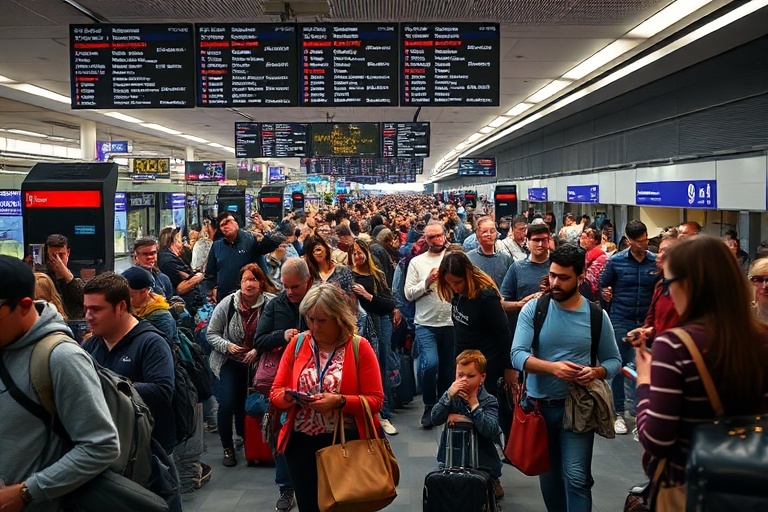
May Half-Term Flight Cancellations: Why So Many Flights Are Grounded
“`html
May Half-Term Flight Cancellations Leave Families in Limbo
The May half-term break is traditionally one of the busiest travel periods of the year. Families across the UK typically book flights weeks in advance to take advantage of cheaper fares and secure their preferred destinations. This year, however, a surge in flight cancellations has left many scrambling for alternatives—or facing the prospect of cancelled holidays entirely.
According to data from the Civil Aviation Authority (CAA), over 200,000 flights were cancelled or delayed during the first two weeks of May. Airlines cite staff shortages, technical issues, and adverse weather as the primary reasons, but the disruption has exposed deeper vulnerabilities in the aviation industry’s recovery post-pandemic.
Why Are Flights Being Cancelled in Such High Numbers?
The cancellations follow a pattern that has become all too familiar in recent years. Staff shortages remain a critical issue, particularly among pilots and cabin crew. Many airlines furloughed employees during the pandemic, and while some have been rehired, training new staff takes time—often months rather than weeks. This lag has created a bottleneck that is difficult to resolve quickly.
Technical problems have also played a significant role. Airlines are operating with aging fleets that require frequent maintenance. When multiple aircraft require unscheduled repairs simultaneously, the ripple effect can ground dozens of flights in a single day. Weather, though less of a factor this May compared to previous years, still contributes to delays when airports experience high winds or thunderstorms.
Another contributing factor is the scheduling practices of some airlines. Budget carriers, in particular, often operate with tight turnaround times between flights. When one aircraft is delayed due to a technical issue or crew shortage, it can cascade into a series of cancellations throughout the day. This domino effect is difficult to mitigate once it begins.
The Human Impact: Families and Holiday Plans Disrupted
The most immediate consequence of these cancellations is felt by families with pre-booked holidays. Parents who have planned trips to destinations like Spain, Portugal, or Greece—popular choices for the May half-term—find themselves scrambling to rebook flights, often at significantly higher prices. Those who opt for package holidays may face last-minute reallocations to different resorts or, in some cases, the cancellation of their entire trip.
For working parents, the cancellations also create logistical nightmares. Many have booked time off specifically for the holiday, only to find themselves stuck at home with no clear alternative. Some have turned to social media groups and forums to share tips on rebooking or finding refunds, highlighting the frustration and helplessness felt by many.
The emotional toll is significant. Children, who often look forward to these breaks for months, may feel disappointed or confused when their travel plans fall through. Parents, meanwhile, are left balancing the stress of rearranging work schedules with the financial burden of last-minute changes.
What Can Travellers Do?
If you’re affected by flight cancellations this May half-term, here are some steps you can take to minimise disruption:
- Check your airline’s policies: Most airlines offer rebooking options or refunds, but the process varies. Some may waive change fees if you’re flexible with dates.
- Contact your travel insurance provider: If you have cancellation cover, now is the time to file a claim. Be sure to document all communication with the airline.
- Explore alternative routes: If direct flights are cancelled, consider connecting flights or even train travel to your destination.
- Monitor airline updates closely: Airlines often release replacement flights in batches. Keep an eye on your email and the airline’s website for notifications.
- Consider a travel credit voucher: If you’re not ready to give up on your holiday plans, some airlines are offering vouchers for future travel instead of refunds.
Broader Implications for the Travel Industry
The flight cancellations are more than just an inconvenience for holidaymakers—they signal deeper challenges for the aviation industry. Airlines are under pressure to restore confidence in air travel while managing operational constraints. The reputational damage from repeated cancellations could deter some travellers from booking with certain carriers in the future.
For the travel industry as a whole, the cancellations highlight the fragility of the recovery post-pandemic. While passenger numbers have rebounded, airlines and airports are still grappling with the aftermath of years of reduced operations. Investments in staff training, fleet maintenance, and airport infrastructure are urgently needed, but these take time to implement.
There’s also a broader economic impact. The tourism sector relies heavily on the May half-term break, particularly for family-oriented destinations. When flights are cancelled, hotels, restaurants, and attractions lose revenue. Local economies that depend on tourism may struggle to recover from the financial hit.
Governments and regulatory bodies are watching closely. The CAA has already called for airlines to improve their customer service and compensation processes. Some MPs have urged the government to intervene, suggesting that airlines receiving public funding should be held to higher standards of reliability.
Looking Ahead: Can the Industry Bounce Back?
The question now is whether the aviation industry can stabilise before the summer peak season. Historically, summer travel is less prone to cancellations because airlines have more time to recover from disruptions. However, if staff shortages persist or new technical issues arise, the problems could escalate.
Airlines are taking steps to address the issues. Some are increasing recruitment drives for pilots and crew, while others are investing in predictive maintenance technology to reduce unscheduled repairs. Airports, too, are working to improve operational efficiency, though many face their own staffing shortages.
For travellers, the message is clear: flexibility is key. Booking with airlines that have a reputation for reliability, choosing travel insurance with strong cancellation cover, and having a backup plan can make all the difference when disruptions occur. The May half-term cancellations serve as a reminder that air travel, while convenient, is not without its risks.
As the industry continues to recover, passengers may need to adjust their expectations. The days of seamless, stress-free travel might be on hold for a while longer. Until then, staying informed and prepared will be the best strategy for navigating the turbulent skies ahead.
For more insights on travel disruptions and how to manage them, visit our Travel and News sections.