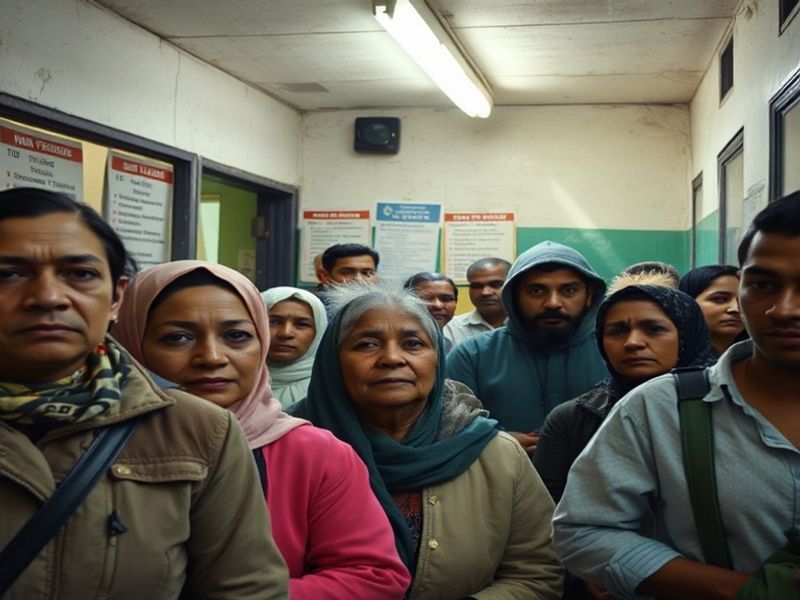
Understanding Medi-Cal: California’s Safety Net for Health Coverage
Medi-Cal serves as California’s Medicaid program, providing essential health coverage to millions of low-income residents. Established in 1966 alongside the federal Medicaid program, it has evolved into one of the largest publicly funded health systems in the United States. Unlike private insurance, Medi-Cal is designed to ensure that vulnerable populations—including children, seniors, and individuals with disabilities—can access medical care without financial ruin.
The program’s structure reflects California’s commitment to inclusive healthcare, particularly in a state known for its progressive policies. However, navigating Medi-Cal’s eligibility requirements and benefits can feel overwhelming for many applicants. Understanding how it works, who qualifies, and how it compares to other global healthcare models offers valuable perspective.
The Scope of Medi-Cal: Who Does It Serve?
Medi-Cal covers a diverse population, from newborns to elderly adults. In 2023, the program served over 14 million Californians—nearly one-third of the state’s residents. This includes:
- Low-income families with children, pregnant individuals, and seniors
- People with disabilities who require long-term care or specialized services
- Undocumented immigrants in certain categories, such as those who are 50 or older or pregnant
- Former foster youth up to age 26, regardless of income
The program’s flexibility has expanded in recent years, particularly after California opted into the Affordable Care Act’s Medicaid expansion in 2014. This move allowed adults without children to qualify based on income alone, a shift that significantly reduced uninsured rates across the state.
How Medi-Cal Compares to Global Healthcare Models
From a global standpoint, Medi-Cal operates within a fragmented U.S. healthcare system, yet its design borrows elements from other nations’ approaches. Unlike countries with single-payer systems, such as Canada or the UK, Medi-Cal is not universal. Instead, it targets specific demographics based on income and need.
However, its emphasis on preventive care and community-based services aligns with models seen in countries like Germany, where social insurance systems prioritize early intervention. Medi-Cal’s coverage of dental, vision, and mental health services also reflects a more holistic approach compared to countries where these are often excluded from public plans.
One notable difference is Medi-Cal’s reliance on managed care organizations (MCOs). Over 80% of beneficiaries receive care through these private contractors, a structure that mirrors the U.S. preference for privatized delivery systems. This contrasts with nations like France, where public hospitals dominate, or Sweden, where care is largely tax-funded and publicly administered.
Cultural and Economic Influences on Medi-Cal’s Evolution
The program’s growth has been shaped by California’s economic and cultural landscape. As the state’s population diversifies, Medi-Cal has adapted to serve multicultural communities with varying health needs. For example, outreach programs now offer materials in over 20 languages, reflecting the state’s linguistic diversity.
Economically, Medi-Cal has become a lifeline for rural communities where healthcare access is limited. In regions like the Central Valley, where hospital closures are common, Medi-Cal-funded clinics often serve as the only reliable source of care. This highlights the program’s role not just as an insurance provider, but as an economic stabilizer for underserved areas.
The COVID-19 pandemic further tested Medi-Cal’s resilience. During the crisis, the program saw a surge in enrollment as unemployment rates rose. Temporary expansions, such as increased telehealth services and waived co-pays, demonstrated how Medi-Cal could pivot in response to urgent needs. These adaptations mirrored global trends, where governments temporarily relaxed healthcare restrictions to accommodate overwhelmed systems.
The Challenges and Criticisms of Medi-Cal
Despite its reach, Medi-Cal faces persistent challenges. One major issue is the healthcare provider shortage in California. Many doctors limit the number of Medi-Cal patients they accept due to lower reimbursement rates compared to private insurance. This creates barriers for beneficiaries, particularly in urban centers where wait times for appointments can stretch for months.
Another criticism is the program’s administrative complexity. Eligibility determinations can be confusing, and recertification processes often lead to gaps in coverage for those who temporarily exceed income limits. Advocacy groups argue that simplifying enrollment and extending continuous coverage periods could improve outcomes.
Politically, Medi-Cal remains a flashpoint in debates over healthcare reform. Some argue for further expansion, such as covering all undocumented residents regardless of age. Others push for structural changes, like integrating Medi-Cal with Covered California, the state’s health insurance marketplace, to create a more seamless system.
The Future of Medi-Cal: What’s Next?
Looking ahead, Medi-Cal is poised to play a central role in California’s healthcare future. The state has already taken steps to address affordability by capping monthly premiums at 2% of household income for certain groups. Additionally, proposals to expand coverage to all undocumented immigrants, regardless of age, can be found in recent legislative sessions.
Technological advancements also promise to streamline the program. Digital tools like online portals and mobile apps could reduce administrative burdens, making it easier for beneficiaries to manage their care. Telehealth, which gained traction during the pandemic, is likely to remain a permanent fixture, improving access for rural and disabled populations.
Globally, Medi-Cal’s evolution offers lessons for other regions grappling with healthcare inequities. Its ability to adapt to demographic shifts and economic pressures demonstrates the importance of flexible, publicly funded systems. As California continues to refine its approach, Medi-Cal may serve as a model for balancing accessibility with fiscal responsibility.
Conclusion
Medi-Cal stands as a cornerstone of California’s healthcare infrastructure, embodying both the state’s progressive values and its practical challenges. By providing a safety net for millions, it has reduced disparities in care while reflecting the complexities of the U.S. healthcare system. As policies evolve and technology advances, Medi-Cal’s role will likely expand, offering insights into how publicly funded health programs can meet the needs of diverse populations.
For those navigating eligibility or seeking care, understanding Medi-Cal’s structure is the first step toward accessing its benefits. With continued advocacy and innovation, the program has the potential to set new standards for inclusive, equitable healthcare in the United States and beyond.