Owensboro: Kentucky’s Quiet River City Revival and Economic Shift
“`html
Owensboro: Kentucky’s River City Rising
Nestled along the banks of the Ohio River in western Kentucky, Owensboro has long operated in the shadow of larger state metros like Louisville and Lexington. Yet this city of roughly 60,000 residents has quietly cultivated a distinct identity—one rooted in bluegrass heritage, riverfront renewal, and an evolving economic landscape. The transformation currently underway in Owensboro isn’t just about revitalization; it reflects broader trends reshaping smaller urban centers nationwide.
The Heart of Kentucky’s Western Region
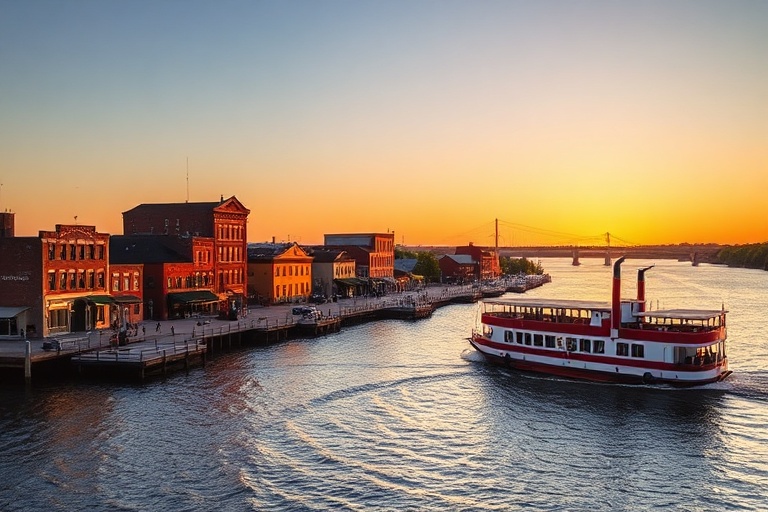
Owensboro serves as the county seat of Daviess County and anchors the Owensboro metropolitan area, which includes neighboring counties in both Kentucky and Indiana. Its location on the Ohio River has historically shaped its economy, from steamboat traffic in the 19th century to industrial development in the 20th. Today, the river remains central—not just as a scenic backdrop, but as a strategic asset for tourism, shipping, and community identity.
The city’s cultural footprint is equally significant. It’s known as the “Barbecue Capital of Kentucky,” home to the International Bar-B-Q Festival, and serves as a gateway to the Western Kentucky Music Heritage Trail. Owensboro honors its musical legacy through venues like the RiverPark Center and the annual ROMP festival, which celebrates bluegrass and roots music. These cultural anchors provide more than entertainment; they foster a sense of continuity and civic pride in a rapidly changing world.
Economic Evolution: From Industry to Innovation
Owensboro’s economy has undergone a quiet but meaningful shift over the past two decades. Traditionally driven by manufacturing—particularly automotive parts and aluminum production—the city has diversified into healthcare, logistics, and advanced manufacturing. Owensboro Health, the region’s largest employer, anchors a growing healthcare sector that includes regional cancer treatment centers and telemedicine initiatives.
One of the most notable developments is the expansion of the Regional Airport, which now supports commercial flights and cargo operations. This positions Owensboro as a logistics hub linking western Kentucky to national supply chains. Meanwhile, downtown redevelopment projects like the Riverfront Master Plan are transforming underutilized industrial sites into mixed-use spaces, including office, retail, and residential units.
These changes reflect a broader pattern across small cities: leveraging local strengths—like location, workforce, and institutional anchors—to compete in a global economy. Owensboro’s approach is not about emulating larger metros, but about building on what makes it unique.
Key Economic Drivers in Owensboro
- Healthcare: Owensboro Health and regional medical services drive employment and innovation.
- Logistics & Transportation: Strategic position on the Ohio River and I-69 corridor supports distribution networks.
- Advanced Manufacturing: Automotive, aerospace, and metal fabrication remain core industries.
- Tourism & Culture: Festivals, riverfront events, and music heritage attract visitors year-round.
- Education & Workforce Development: Owensboro Community & Technical College partners with employers to train local talent.
Community and Resilience in the 21st Century
Owensboro’s growth has been steady, not explosive. That pace has allowed the city to focus on sustainable development and community engagement. Initiatives like the Owensboro Solutions Journalism Project highlight local problem-solving, from opioid addiction treatment to rural broadband access. These efforts reflect a growing movement in small cities to use data, storytelling, and collaboration to address systemic challenges.
The city’s leadership has also prioritized walkability and public art, with projects like the Haymarket Music Heritage Park and the Smothers-McDaniel Park renovation. These spaces aren’t just amenities—they’re civic investments in quality of life. In an era where young professionals increasingly choose walkable, culturally rich environments, Owensboro’s downtown revival offers a compelling alternative to high-cost metros.
Social cohesion remains a cornerstone of Owensboro’s identity. Local faith communities, nonprofit organizations, and civic clubs play active roles in education, poverty alleviation, and disaster response. During the 2021 tornado outbreak, Owensboro’s emergency response and volunteer networks demonstrated the strength of these grassroots ties.
The Road Ahead: Challenges and Opportunities
Despite progress, Owensboro faces familiar challenges. Aging infrastructure, workforce shortages in skilled trades, and the lingering effects of population decline in rural counties require coordinated solutions. The city must also balance growth with preservation, ensuring that redevelopment doesn’t erase the character that makes Owensboro distinctive.
Yet the opportunities are substantial. The continued expansion of the Manufacturing Career Pathways program at OCTC signals a commitment to aligning education with industry needs. The proposed I-69 extension could further integrate Owensboro into national logistics networks. And the growing national interest in regional food systems—from farm-to-table dining to craft breweries—positions Owensboro’s agricultural roots as an asset, not a relic.
Perhaps most importantly, Owensboro is redefining what it means to be a small city in the 21st century. It’s not chasing big-city status. Instead, it’s building a model of sustainable, inclusive growth—one that values heritage, health, and human connection alongside economic progress.
Why Owensboro Matters Beyond Its Borders
Owensboro’s story is part of a larger narrative unfolding across America’s heartland. As mid-sized cities increasingly become laboratories for innovation in healthcare, logistics, and community development, Owensboro offers valuable lessons:
- Leverage existing assets: The Ohio River, healthcare system, and cultural institutions weren’t built overnight—they’re the result of decades of investment and identity-building.
- Prioritize quality of life: A vibrant downtown, accessible green spaces, and cultural events create environments where people want to live and work.
- Invest in people: Workforce development and education partnerships ensure that growth benefits current residents, not just newcomers.
- Balance progress with preservation: Economic growth should enhance a city’s character, not erase it.
- Lead with collaboration: Success in small cities often hinges on partnerships between government, business, nonprofits, and educational institutions.
These principles aren’t unique to Owensboro—they’re applicable to thousands of cities across the country. What makes Owensboro’s journey notable is its authenticity. There’s no pretense of being the “next big thing.” Instead, the city is steadily building the next chapter of its own story.
Conclusion: A City on the Rise, Not the Map
Owensboro may never rival the population or media attention of Louisville or Lexington. But in an era where authenticity and place-based identity are increasingly valued, that could be its greatest strength. The city’s quiet transformation—rooted in healthcare innovation, cultural vibrancy, and community-led development—offers a compelling blueprint for other small cities seeking to thrive without losing their soul.
As Owensboro continues to evolve, one thing is clear: this river city is not just surviving the 21st century. It’s learning how to lead it.
For those curious about exploring this evolving Kentucky gem, Dave’s Locker Travel offers insights into regional destinations and hidden gems across the Bluegrass State.