Patrick Ewing: How a Jamaican-American Legend Changed Basketball Forever
“`html
From Kingston to Madison Square Garden: A Global Journey
Patrick Ewing’s story begins not in the basketball courts of America, but in the bustling streets of Kingston, Jamaica. Born on August 5, 1962, Ewing’s early years were shaped by the vibrant culture and competitive spirit of his homeland. His family later moved to the United States, where his athletic talents flourished. This transatlantic journey would define his legacy—not just as a basketball player, but as a symbol of global athletic ambition.
Ewing’s rise to prominence at Georgetown University under coach John Thompson cemented his reputation as one of the most dominant centers in college basketball history. His shot-blocking prowess and physical dominance made him a force to be reckoned with. When he was drafted first overall by the New York Knicks in 1985, the global basketball community took notice. For many outside the U.S., Ewing became the face of a sport rapidly expanding beyond its American roots.
The Cultural Impact of a Jamaican-American Icon
Ewing’s background played a crucial role in shaping his identity and public perception. As one of the first prominent Jamaican-American athletes in professional sports, he broke barriers and inspired countless young athletes from immigrant families. His success resonated deeply in Caribbean communities worldwide, proving that talent and determination could transcend borders.
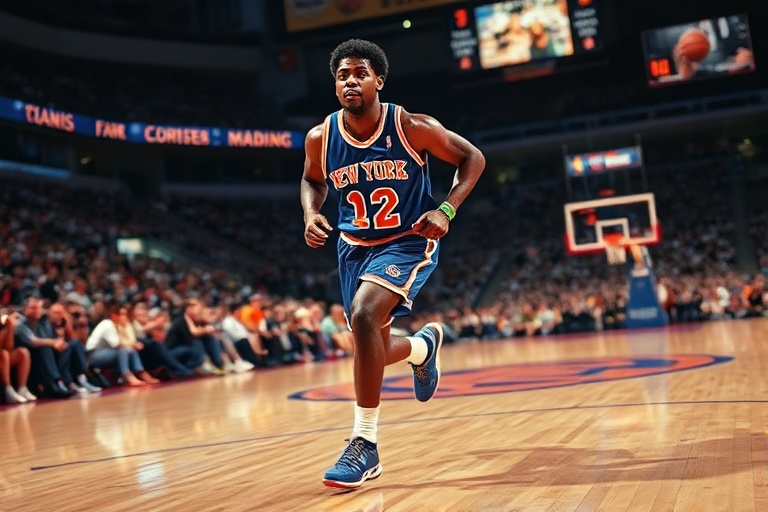
In New York City—a melting pot of cultures—Ewing’s presence was felt far beyond the basketball court. He became a cultural bridge, connecting diverse communities through his work ethic and humility. His jersey, adorned with the number 33, became a symbol of pride for Jamaican-Americans and a testament to the power of representation in sports.
Dominance on the Court: A Legacy of Tenacity
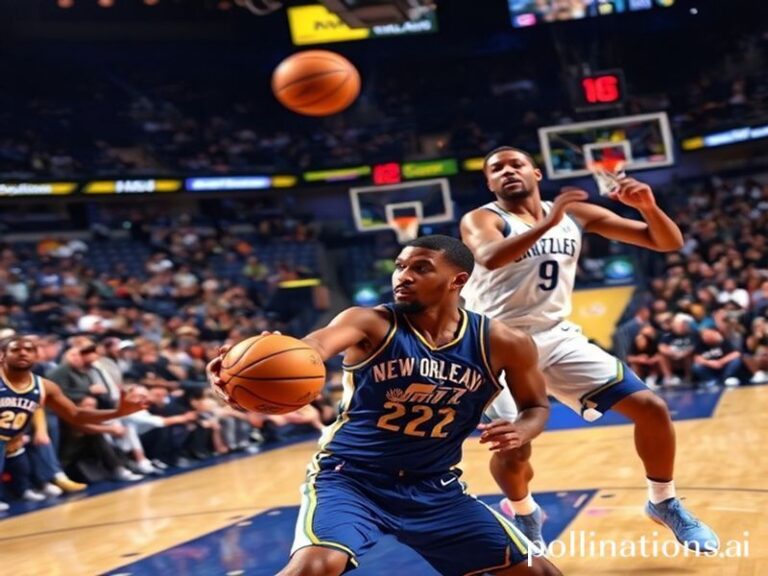
Ewing’s 17-year career with the New York Knicks was marked by consistency and intensity. He was a 11-time All-Star, a two-time Olympic gold medalist (1984, 1992), and one of the most feared defensive players of his era. His battles with legends like Michael Jordan, Hakeem Olajuwon, and Shaquille O’Neal defined an entire generation of basketball.
What set Ewing apart was his combination of skill and grit. Standing at 7 feet tall, he was not just a scorer but a defensive anchor. His ability to alter shots and control the paint made him a nightmare for opposing teams. Even in an era dominated by offensive powerhouses, Ewing’s defensive prowess earned him a spot among the game’s all-time greats.
The Globalization of Basketball Through Ewing’s Eyes
Basketball’s global expansion in the 1980s and 1990s owed much to players like Ewing. His international appeal helped popularize the sport in regions where soccer and cricket traditionally dominated. When the NBA began staging games overseas, Ewing’s presence drew massive crowds, proving that basketball had a place on the world stage.
Ewing’s influence extended to the 1992 Olympic “Dream Team,” where he joined forces with the best players in the world. This team’s global tour not only showcased basketball talent but also reinforced the sport’s universal appeal. For many international fans, seeing Ewing alongside legends like Magic Johnson and Larry Bird was their first introduction to the NBA’s magic.
Life After Basketball: Coaching and Mentorship
Even after retiring in 2002, Ewing remained deeply connected to the game. His post-playing career has been defined by mentorship and coaching, particularly in developing young talent. As an assistant coach for teams like the Houston Rockets and the Orlando Magic, he shared his knowledge and experience with the next generation of players.
Ewing’s commitment to community work further solidified his legacy. Through basketball camps and charity initiatives, he has given back to both his Jamaican heritage and his adopted home in New York. His efforts underscore a simple but powerful message: success is not just about what you achieve, but what you give back.
Ewing’s Enduring Legacy in Sports and Culture
Today, Patrick Ewing’s name is synonymous with excellence and perseverance. His jersey hangs in the rafters of Madison Square Garden, a permanent tribute to his contributions to the Knicks franchise. Beyond statistics and accolades, Ewing’s legacy is one of inspiration—a reminder that greatness can be achieved through hard work, regardless of where you come from.
For young athletes in Jamaica, the U.S., and beyond, Ewing’s story serves as a blueprint for success. His journey from Kingston to the NBA Hall of Fame is a testament to the power of determination and the global reach of sports. As basketball continues to grow worldwide, Ewing’s influence remains a guiding light for future generations.
A Final Reflection: Why Ewing Matters
In an era where sports are increasingly globalized, Patrick Ewing’s story is more relevant than ever. He represents the intersection of culture, identity, and athletic excellence. His life and career challenge us to look beyond borders and recognize the universal language of sport.
For fans of basketball, Ewing’s legacy is one of tenacity and heart. For those who admire cultural icons, he is a symbol of pride and representation. And for aspiring athletes, he is proof that dreams can cross oceans and overcome any obstacle.
As the world continues to celebrate the global nature of sports, Patrick Ewing stands tall—not just as a basketball legend, but as a bridge between cultures and a beacon of hope for those who dare to dream big.