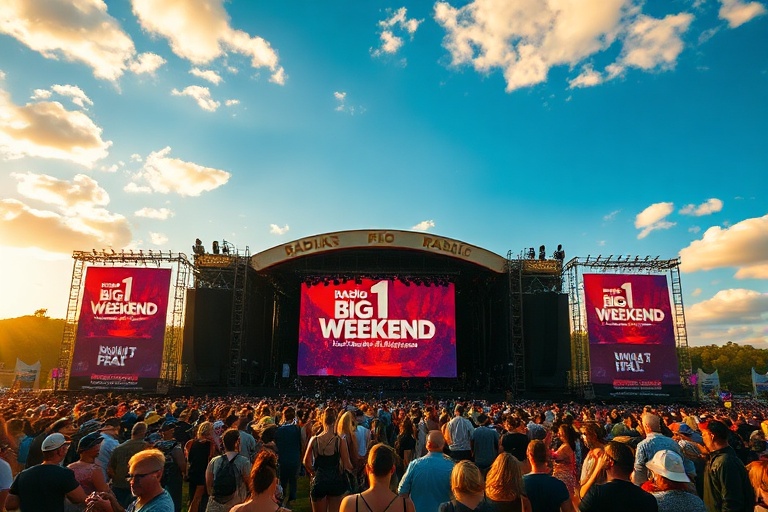
Every year, BBC Radio 1 transforms the music festival landscape in the United Kingdom with its Big Weekend event. More than just a concert, it’s a cultural milestone where emerging artists share stages with global superstars. The festival’s evolution reflects broader shifts in how music is consumed, celebrated, and discovered in the digital age.
The Origins and Growth of Radio 1 Big Weekend
Launched in 2003 as the successor to Radio 1’s One Big Sunday, the Big Weekend was designed to bring the station’s live music experiences to larger audiences across the UK. The inaugural event took place in Preston’s Moor Park, drawing around 30,000 attendees. Since then, it has grown into one of the country’s most anticipated annual festivals, consistently attracting over 100,000 visitors and featuring performances from the biggest names in music.
The festival’s expansion mirrors the changing face of the UK music scene. Early lineups leaned heavily on British indie and rock acts, reflecting the station’s audience at the time. Today, the Big Weekend curates a diverse mix of genres, from grime and UK drill to pop, R&B, and electronic music. This shift highlights the platform’s commitment to reflecting the tastes of younger listeners while introducing them to new sounds.
Key Moments in Festival History
- 2006 (Derry, Northern Ireland): The event’s first international location marked a significant step toward broader cultural engagement.
- 2011 (Carlisle): A record-breaking attendance of over 100,000 set the stage for future growth.
- 2017 (Derby): The introduction of a dedicated dance music stage showcased the festival’s adaptability to evolving genres.
- 2022 (Coventry): Post-pandemic, the festival returned with a renewed focus on sustainability and accessibility.
Why the Big Weekend Matters Beyond the Music
The Radio 1 Big Weekend does more than entertain—it shapes the careers of artists and influences the broader music industry. For up-and-coming musicians, a slot on the lineup can be career-defining. The festival’s reputation for breaking new talent has made it a must-play for artists at all stages of their careers. For example, Ed Sheeran’s performance in 2011, before his global fame, helped cement his connection with the Radio 1 audience.
The event also serves as a barometer for cultural trends. Its genre-blending lineups often reflect shifts in youth culture, whether that’s the rise of hyperpop in the late 2010s or the dominance of Afrobeats in recent years. By giving platforms to diverse voices, the Big Weekend reinforces its role as a tastemaker for the next generation of music fans.
Beyond its cultural impact, the festival is a logistical marvel. Organizing an event of this scale requires months of planning, from securing venues to coordinating with local authorities. The BBC’s commitment to accessibility is evident in initiatives like free entry, dedicated viewing areas, and mental health support services. These efforts ensure the festival remains inclusive and welcoming to all.
The Festival’s Role in the UK Music Ecosystem
The Big Weekend’s influence extends beyond the three-day event. It generates significant economic activity for host cities, often boosting local businesses and tourism. In 2023, for instance, the festival in Swansea contributed an estimated £20 million to the local economy. Additionally, the event’s broadcasts on Radio 1 and BBC Sounds extend its reach to millions who can’t attend in person, further amplifying its impact.
The festival also plays a crucial role in fostering community among music fans. For many attendees, the Big Weekend is a shared experience that creates lasting memories. Whether it’s discovering a new favorite artist or reconnecting with old friends, the event fosters a sense of belonging that transcends the music itself.
Looking Ahead: The Future of Radio 1 Big Weekend
As the festival enters its third decade, it faces both opportunities and challenges. The rise of streaming and virtual experiences has transformed how audiences engage with live music. While these changes present new ways to connect with fans, they also raise questions about the future role of physical festivals. The Big Weekend’s ability to adapt will be key to its continued relevance.
One area of growth is sustainability. The BBC has already taken steps to reduce the festival’s environmental footprint, such as banning single-use plastics and promoting public transport. Future editions may explore further innovations, like carbon offset programs or renewable energy sources, to align with the UK’s climate goals.
Another potential evolution is the integration of digital experiences. Hybrid events, combining in-person and virtual attendance, could make the festival more accessible to global audiences. This approach would also open new revenue streams through virtual ticketing and exclusive online content.
The Big Weekend’s enduring appeal lies in its ability to balance tradition and innovation. By staying true to its roots as a platform for new music while embracing change, the festival remains a vital part of the UK’s cultural calendar. As long as it continues to reflect the voices of young people, it will remain a defining event in the country’s music scene.
What’s Next for the Big Weekend?
- Expanded Digital Integration: Virtual stages and interactive features could enhance the festival experience for online audiences.
- Sustainability Initiatives: Greater emphasis on eco-friendly practices may set new standards for music festivals nationwide.
- Global Expansion: While rooted in the UK, the festival could explore international editions to reach new audiences.
- Artist Development: Continued support for emerging talent through mentorship programs and exclusive showcases.
For those looking to stay updated on the latest festival news and artist announcements, Dave’s Locker Music offers comprehensive coverage and insights into the UK music scene. Fans of live music can also explore Dave’s Locker Entertainment for reviews and recaps of major events.
Conclusion
The Radio 1 Big Weekend is more than a festival—it’s a cultural institution. For over two decades, it has brought together music lovers, artists, and industry professionals to celebrate the best of UK music. Its ability to adapt to changing times while staying true to its mission ensures its place in the hearts of fans for years to come. As the festival continues to evolve, one thing remains certain: the Big Weekend will always be a stage where the future of music is written.