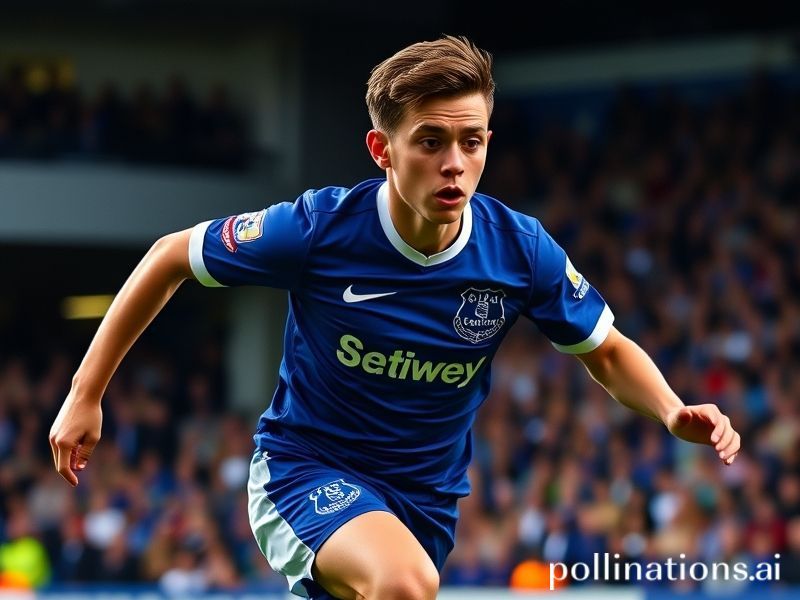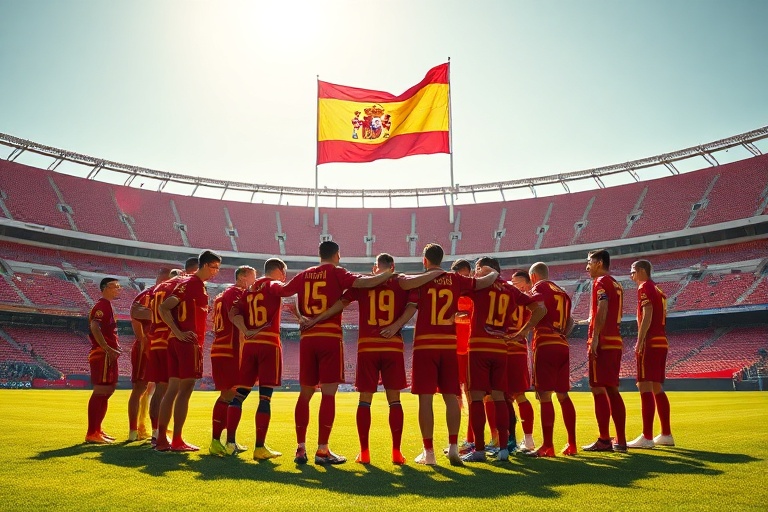
The Spain national football team enters each World Cup with a reputation for technical excellence and possession-based football. The 2026 tournament in the United States, Canada, and Mexico will be no different, as La Roja looks to build on its recent resurgence under coach Luis de la Fuente. With a blend of experienced stars and emerging talent, Spain’s squad composition will play a pivotal role in determining how far they can progress.
Spain’s footballing philosophy has evolved significantly since its golden era under managers like Vicente del Bosque and Luis Aragonés. The current generation blends the tiki-taka roots of the past with a more direct, transitional style that emphasizes pressing and vertical progression. This hybrid approach has yielded promising results, including a strong Euro 2024 campaign where Spain reached the semifinals.
The Core of the Squad: Key Players to Watch
Spain’s squad for the 2026 World Cup will likely feature a mix of established internationals and rising stars. Among the most prominent names is midfielder Rodri, the Manchester City maestro who serves as the team’s metronome in the center of the park. His ability to dictate tempo and break lines with progressive passing makes him indispensable.
Up front, Alvaro Morata remains the focal point of the attack, despite occasional criticism for his finishing. His hold-up play and link-up ability provide a crucial outlet for Spain’s buildup. However, the emergence of young talents like Nico Williams and Lamine Yamal has added depth and dynamism to the forward line. Williams’ blistering pace and direct dribbling, combined with Yamal’s flair and creativity, give Spain multiple ways to unlock defenses.
The defensive backbone will likely be anchored by veterans like Aymeric Laporte and veteran goalkeeper Unai Simón, who has become a reliable presence between the posts. The full-back positions could see a generational shift, with players like Alejandro Balde and Juan Miranda providing attacking impetus while maintaining defensive solidity.
Tactical Evolution: Balancing Possession and Transition
Spain’s tactical identity has undergone a subtle transformation in recent years. While possession remains a cornerstone, the team has become more pragmatic in its approach, prioritizing quick transitions and vertical passes to exploit defensive vulnerabilities. De la Fuente’s system often resembles a 4-3-3 in possession but morphs into a 4-2-3-1 or even a 3-5-2 when defending, depending on the opponent.
One of the most notable changes has been the increased use of wide forwards cutting inside to occupy half-spaces, creating overloads in central areas. This adaptation has allowed Spain to break down compact defenses without resorting to the traditional tiki-taka loops that opponents have learned to neutralize.
Defensively, Spain employs a high press, particularly in the first 15-20 minutes of matches, to force turnovers in dangerous areas. Their pressing triggers are well-drilled, with midfielders and forwards coordinating to close down passing lanes. However, the team’s vulnerability to quick counters remains a concern, a challenge that will need to be addressed ahead of the tournament.
Key Tactical Strengths
- Midfield Control: With Rodri, Gavi, and Pedri in the engine room, Spain boasts one of the most technically gifted and physically robust midfields in international football.
- Pressing Intensity: The team’s ability to win the ball back high up the pitch disrupts opponents’ rhythm and creates scoring opportunities.
- Versatile Full-Backs: Players like Balde and César Azpilicueta offer both defensive cover and attacking width, allowing Spain to dominate games on both flanks.
- Youth Development: The integration of young players into the squad has ensured a seamless transition between generations, maintaining a high level of competitiveness.
Challenges and Areas for Improvement
Despite its strengths, Spain faces several challenges as it prepares for the 2026 World Cup. One of the most pressing is the need for greater clinical efficiency in front of goal. While the team creates numerous chances, converting them has been an issue in recent tournaments. Morata’s role as the primary striker will be scrutinized, and the emergence of alternative options like Ansu Fati or Ferran Torres could provide fresh impetus.
Defensively, Spain has struggled against teams that exploit its high line with quick, direct play. The full-backs’ tendency to push up can leave large spaces behind them, a vulnerability that opponents like Germany and France have targeted in the past. Strengthening the defensive midfield partnership between Rodri and a more defensive-minded player (such as Koke or Martín Zubimendi) could mitigate these risks.
Another concern is the depth of the squad. Injuries to key players like Pedri and Gavi during international breaks have exposed the lack of reliable backups in certain positions. The coaching staff will need to manage squad rotation carefully to ensure fitness levels remain optimal throughout the tournament.
Broader Implications for Spanish Football
The performance of Spain’s national team carries significant implications for the country’s footballing infrastructure. A strong showing at the 2026 World Cup could reinforce the effectiveness of La Roja’s youth development system, which has produced talents like Gavi, Yamal, and Pedri. Conversely, a disappointing result might prompt a reevaluation of the current tactical approach and the role of domestic leagues in nurturing future stars.
Spain’s domestic league, La Liga, remains one of the most competitive and tactically sophisticated in the world. The success of clubs like Real Madrid, Barcelona, and Atlético Madrid in European competitions demonstrates the technical quality of Spanish football. However, the national team’s ability to integrate these players into a cohesive unit will be crucial in determining its fortunes.
The 2026 World Cup also presents an opportunity for Spain to reclaim its status as a global footballing powerhouse. After years of underperformance in major tournaments, the team has shown signs of resurgence, with a new generation of players eager to make their mark. A deep run in the tournament could restore confidence in Spanish football and inspire a new wave of talent.
Looking Ahead: What to Expect in 2026
As Spain prepares for the 2026 World Cup, the team’s blend of experience and youth will be its greatest asset. The squad’s technical quality and tactical flexibility make it a formidable opponent for any team. However, the ability to convert chances, defend against counterattacks, and manage squad fitness will be critical to its success.
With the tournament set to be hosted across three countries, Spain will also benefit from the home advantage of playing in familiar time zones and conditions. This could prove decisive in tight knockout matches, where familiarity and crowd support often play a crucial role.
Ultimately, Spain’s World Cup campaign will be a test of its evolution as a footballing nation. The team’s journey will not only shape its immediate future but also influence the development of Spanish football for years to come.
For more insights into international football and tactical analysis, explore our Sports and Analysis sections.