By [Your Name] | Published on
The Origins of the Slam Dunk: More Than Just a Showstopper
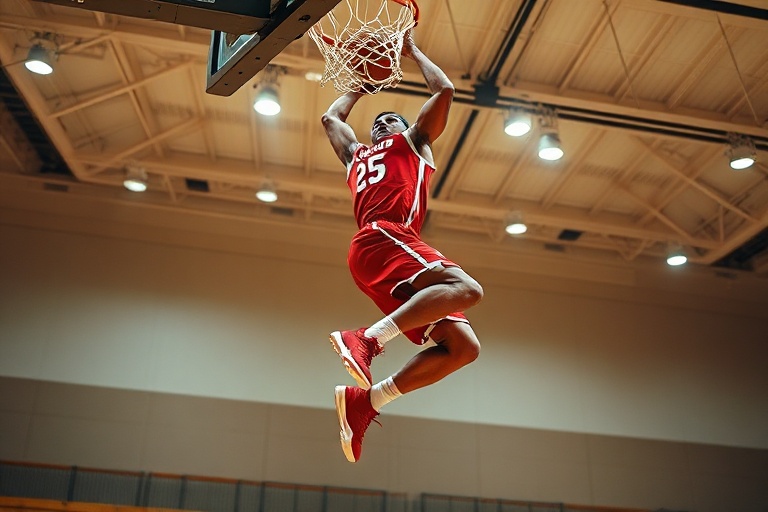
The slam dunk is one of basketball’s most recognizable moves, but its origins are often misunderstood. While dunking the ball has been part of the game since its early days, the term “slam dunk” gained widespread popularity in the 1970s. The phrase was first coined by Los Angeles Lakers announcer Chick Hearn, who used it to describe the powerful, emphatic way players like Elgin Baylor and Julius Erving finished at the rim.
Before the NBA’s modern era, dunking was sometimes seen as a novelty rather than a fundamental skill. However, players like Darrell Griffith and Darrell Dawkins changed that perception in the late 1970s and early 1980s. Their ability to dominate games with explosive dunks helped shift the focus from finesse to athleticism, paving the way for future generations of high-flying stars.
The slam dunk’s rise coincided with the NBA’s growing popularity. As the league expanded and television coverage increased, dunks became a key part of the game’s entertainment value. This evolution wasn’t just about style—it reflected broader changes in how basketball was played, marketed, and consumed.
The Cultural Impact: From the Court to the Mainstream
The slam dunk transcended sports long ago. It became a symbol of athleticism, creativity, and even rebellion. In the 1980s, players like Dominique Wilkins and Michael Jordan turned dunking into an art form, with contests like the NBA Slam Dunk Contest elevating the move to new heights. These performances weren’t just about scoring points—they were about spectacle, innovation, and pushing the boundaries of what was possible on the court.
Outside of basketball, the slam dunk became a metaphor for success and dominance. It appeared in movies, commercials, and even political speeches as a way to convey strength and decisiveness. The move’s cultural footprint was so significant that it inspired countless imitations, from playground tricks to viral social media challenges.
For many fans, the slam dunk represents the purest form of basketball expression. It’s a move that requires no words—just power, precision, and a little bit of flair. Whether it’s a thunderous two-handed slam or a behind-the-back dunk, the move continues to captivate audiences around the world.
The Evolution of the Slam Dunk: How the Move Has Changed Over Time
The slam dunk of today looks nothing like the dunks of the 1950s or even the 1980s. Several factors have contributed to its evolution, including rule changes, training advancements, and the rise of highlight-driven culture. Below are some key developments that have shaped the modern dunk:
- Rule Changes: In 1967, the NCAA banned dunking to curb the dominance of players like Lew Alcindor (later Kareem Abdul-Jabbar). The rule was reversed in 1976, allowing dunks to flourish in college basketball. The NBA, meanwhile, never officially banned dunking, but the introduction of the “no-charge zone” in 2011 subtly influenced how players approached finishing at the rim.
- Training and Technology: Modern athletes benefit from advanced strength training, nutrition programs, and video analysis tools that help them perfect their dunking technique. Players like Zion Williamson and Ja Morant owe part of their success to the resources available to them from a young age.
- Social Media: Platforms like Instagram and TikTok have turned dunking into a global phenomenon. Highlights from games and training sessions spread rapidly, inspiring a new generation of players to push their limits. The slam dunk contest, once a sideshow, is now a must-watch event for fans and analysts alike.
- Globalization: As basketball grows internationally, so does the diversity of dunking styles. Players from Europe, Australia, and Africa bring unique approaches to the move, blending athleticism with creativity in ways that were once rare in the NBA.
These changes haven’t just made dunks more frequent—they’ve made them more varied. Today’s players experiment with spins, twists, and even acrobatic finishes that would have been unthinkable decades ago. The slam dunk is no longer just a way to score points; it’s a form of self-expression.
The Broader Implications: What the Slam Dunk Tells Us About Basketball’s Future
The slam dunk’s evolution reflects larger trends in basketball. As the game becomes faster and more athletic, finishing at the rim is no longer just about power—it’s about creativity and adaptability. Players who can combine explosiveness with finesse are the ones who stand out in today’s NBA.
This shift has broader implications for the sport. As dunking becomes more prevalent, coaches and analysts are rethinking traditional strategies. Should teams prioritize rim protection over perimeter defense? How can smaller players compete with the athleticism of today’s forwards and centers? These questions are reshaping the way basketball is played at all levels.
The slam dunk also highlights the growing divide between elite athletes and the average player. The ability to dunk is no longer a rare skill—it’s almost expected for professional players. This has led to debates about whether the move is losing its “wow factor.” Some argue that the emphasis on dunks has overshadowed other aspects of the game, like shooting and playmaking. Others believe that the slam dunk remains one of the most exciting plays in sports, regardless of how common it becomes.
Regardless of these debates, one thing is clear: the slam dunk is here to stay. Whether it’s a highlight-reel finish in an NBA game or a viral trick on social media, the move continues to define basketball’s culture and identity. For fans, it’s a reminder of why they fell in love with the game in the first place.
Final Thoughts
The slam dunk is more than just a basketball move—it’s a cultural touchstone, a symbol of athletic prowess, and a testament to the sport’s ever-evolving nature. From its humble beginnings to its modern-day iterations, the dunk has shaped how we watch, play, and celebrate basketball. As the game continues to change, one thing is certain: the slam dunk will remain at the heart of it all.
For those looking to dive deeper into basketball’s history and culture, explore our Sports and Entertainment sections for more insights and analysis.