Understanding Armed Forces: Structure, History and Modern Challenges
“`html
The Role and Evolution of Armed Forces in Modern Society
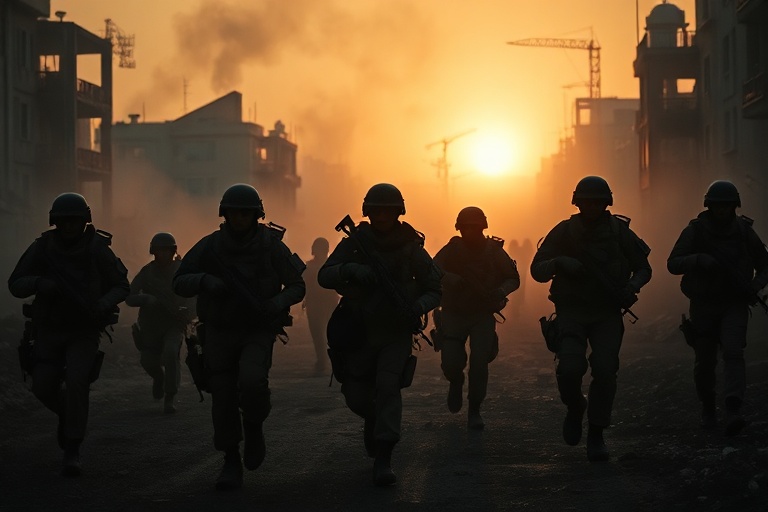
The armed forces represent the cornerstone of national defense, serving as the primary instrument for protecting sovereignty and maintaining peace. Their responsibilities extend far beyond combat operations, encompassing disaster relief, humanitarian missions, and international peacekeeping. In an era marked by geopolitical tensions and asymmetric threats, the strategic importance of these institutions has never been more pronounced.
Across the globe, armed forces adapt to evolving challenges. From cyber warfare to counterterrorism, their operational scope continues to expand. This adaptability ensures they remain relevant in an increasingly complex security landscape. The men and women who serve demonstrate unwavering commitment to duty, often at significant personal cost.
The Structure and Functions of Modern Armed Forces
Most national armed forces operate under a tri-service framework, comprising the army, navy, and air force. Each component specializes in distinct operational domains while maintaining close coordination. The army focuses on land-based operations, the navy ensures maritime security, and the air force provides aerial dominance and support.
Beyond these core branches, specialized units address unique threats:
- Special forces: Conduct covert operations, counterterrorism, and hostage rescue missions.
- Cyber command units: Protect military networks and conduct offensive cyber operations.
- Medical corps: Provide battlefield medicine and emergency care during conflicts.
- Logistics divisions: Manage supply chains, transportation, and infrastructure support.
Civil-military cooperation has become increasingly vital. Armed forces often assist in national emergencies, such as natural disasters or pandemics. Their logistical expertise and rapid deployment capabilities prove invaluable in crisis situations. This dual role enhances their value to society beyond traditional military functions.
Historical Context and Evolution
The concept of organized military forces dates back millennia, evolving from early tribal warriors to the professional standing armies of today. The Roman legions, for instance, established principles of military discipline and structure still relevant today. Medieval knights and mercenary companies later refined tactical formations and siege warfare techniques.
The industrial revolution transformed warfare dramatically. Mass production enabled larger armies, while technological advancements introduced rifled muskets, artillery, and eventually mechanized vehicles. World Wars I and II accelerated these changes, introducing tanks, aircraft, and radio communications to the battlefield.
Post-World War II saw the emergence of nuclear deterrence, fundamentally altering strategic military doctrine. The Cold War period introduced proxy conflicts, special operations, and the concept of limited warfare. Contemporary conflicts have shifted toward counterinsurgency and asymmetric warfare, requiring forces to adapt rapidly.
Challenges and Future Directions
Modern armed forces face a complex array of challenges. Budget constraints often limit modernization efforts, forcing difficult prioritization decisions. Recruitment and retention of skilled personnel remain persistent issues, particularly in technologically advanced military roles.
Emerging technologies present both opportunities and threats:
- Artificial intelligence: Enhances decision-making and autonomous systems but raises ethical concerns.
- Hypersonic weapons: Challenge existing defense systems with unprecedented speed and maneuverability.
- Space warfare: Military satellites and potential anti-satellite weapons redefine strategic considerations.
- Biotechnology: Could lead to enhanced soldier performance or new forms of biological warfare.
Climate change represents another significant challenge. Military bases and operations worldwide face increasing threats from rising sea levels, extreme weather events, and resource scarcity. Armed forces must develop strategies to mitigate these risks while maintaining operational readiness.
The Human Element: Sacrifice and Service
Behind every military operation lies the human story of service and sacrifice. The decision to join the armed forces often stems from a desire to serve something greater than oneself. This commitment frequently comes at personal cost, with deployments separating families and exposing personnel to extreme danger.
Veterans returning from service often face complex challenges. The transition to civilian life can be difficult, with many experiencing physical injuries, psychological trauma, or difficulty translating military skills to civilian careers. Support systems for veterans have improved but remain insufficient in many regions.
Family members of service personnel also bear significant burdens. Frequent relocations disrupt children’s education and spouses’ careers. The emotional toll of constant worry about a loved one’s safety affects countless households. Recognizing these sacrifices remains crucial to maintaining public support for military institutions.
The armed forces represent both a shield and a sword for nations. Their effectiveness depends not only on equipment and training but on the morale and dedication of those who serve.” — Military historian Dr. Evelyn Carter
The future of armed forces will likely see continued emphasis on technological integration and multinational cooperation. As security challenges become more interconnected, collaborative approaches to defense will prove increasingly necessary. The men and women who serve will continue to adapt, ensuring their nations remain protected in an ever-changing world.
For those interested in exploring military history and strategy further, our History section offers comprehensive resources. Alternatively, visit our Analysis section for deeper examinations of contemporary defense issues.