Understanding El Niño: Causes, Impacts, and Future Risks
“`html
El Niño: The Weather Phenomenon Reshaping Global Climates
El Niño represents one of the most influential climate phenomena on Earth, capable of altering weather patterns across continents. This periodic warming of the central and eastern Pacific Ocean disrupts atmospheric circulation, triggering cascading effects that reverberate through ecosystems and economies. While its name—Spanish for “the little boy”—hints at its modest origins, El Niño’s impact is anything but small.
The phenomenon occurs irregularly, typically every two to seven years, and lasts anywhere from nine months to two years. Its counterpart, La Niña, brings cooler ocean temperatures and often follows El Niño, creating a seesaw effect in global weather systems. Understanding El Niño requires examining its mechanics, historical significance, and far-reaching consequences.
The Science Behind El Niño: How It Works
At its core, El Niño results from a breakdown in the trade winds that normally push warm surface water westward across the Pacific. When these winds weaken or reverse direction, warm water sloshes back toward South America, suppressing the upwelling of nutrient-rich cold water. This shift in ocean temperatures alters atmospheric pressure systems, particularly the Southern Oscillation, which is why scientists often refer to the combined phenomenon as ENSO (El Niño-Southern Oscillation).
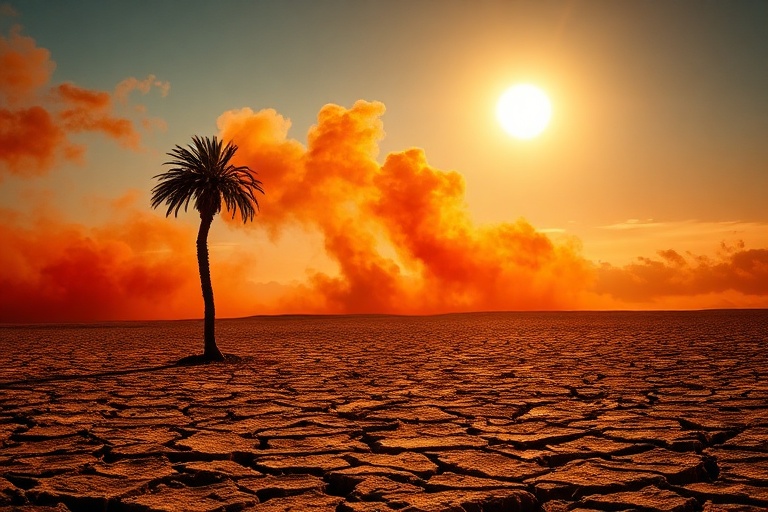
The consequences are immediate and dramatic. As warm water accumulates near the equator, it heats the air above it, creating towering thunderstorms that redirect jet streams. This disruption sends moisture and temperature anomalies rippling across the planet. For example, Southeast Asia and Australia often experience severe droughts, while the southern United States braces for heavy rainfall and flooding.
Not all El Niño events are identical. Their intensity varies, and this variability complicates forecasting. Weak events might go unnoticed, but strong ones—like the 1997-98 and 2015-16 episodes—leave indelible marks on global climate records. The 1997-98 event, in particular, caused an estimated $35 billion in damages worldwide and claimed over 23,000 lives due to floods, droughts, and fires.
Historical Impact: How El Niño Has Shaped Civilizations
El Niño’s fingerprints are etched into human history, influencing agricultural cycles, trade routes, and even the outcomes of wars. Spanish conquistadors in the 16th century documented unusual rainfall patterns in Peru, which they later associated with poor fishing conditions. Indigenous communities along the Pacific coast had long recognized these patterns, using them to predict harvests and fishing yields.
In modern times, El Niño has played a role in some of the most consequential climate events. The 1982-83 event caused $8 billion in global damages, including severe coral bleaching in the Pacific and devastating floods in Peru. The 1997-98 event, often called the “climate event of the 20th century,” disrupted monsoons in India, leading to widespread crop failures and famine warnings. Meanwhile, California experienced one of its wettest winters on record, with mudslides and flooding causing billions in losses.
El Niño’s influence extends beyond immediate disasters. It has been linked to the spread of diseases like cholera and malaria, as flooding creates breeding grounds for mosquitoes. The phenomenon also affects marine life, forcing fish populations to migrate or decline, which in turn impacts fisheries vital to coastal economies.
Key Points About El Niño’s Historical Impact
- Economic Disruptions: El Niño events have caused billions in damages, from destroyed crops to infrastructure failures.
- Humanitarian Crises: Droughts and floods linked to El Niño have triggered famines and displaced millions.
- Cultural Adaptations: Indigenous communities developed early warning systems based on observed patterns.
- Scientific Milestones: The 1982-83 event spurred advancements in climate modeling and ENSO research.
- Global Trade Impacts: Disruptions in agricultural output have led to price spikes in commodities like coffee and wheat.
Broader Implications: What El Niño Means for the Future
As climate change intensifies, El Niño’s behavior is becoming less predictable. Some studies suggest that rising global temperatures may amplify the frequency and severity of El Niño events, though this remains a topic of debate. Warmer oceans could provide more fuel for El Niño’s development, while shifting wind patterns might alter its traditional pathways.
For policymakers, the stakes are high. El Niño’s impacts are a microcosm of the challenges posed by climate variability. Governments must balance immediate disaster response with long-term resilience strategies. For instance, Peru has invested in early warning systems and infrastructure improvements to mitigate flood risks, while Australia has focused on water conservation and drought-resistant agriculture.
The phenomenon also intersects with global food security. El Niño-driven droughts in major breadbaskets like Australia and the U.S. Midwest can send shockwaves through commodity markets. In 2015, wheat prices surged 20% due to El Niño-related production shortfalls. Such volatility underscores the need for diversified supply chains and adaptive agricultural practices.
Beyond economics, El Niño’s environmental effects are profound. Coral reefs, already stressed by ocean acidification, face heightened bleaching risks during warm phases. Meanwhile, marine ecosystems experience shifts in species distribution, with cold-water species retreating poleward. These changes can destabilize fisheries that millions rely on for food and livelihoods.
Preparing for the Next El Niño
While El Niño cannot be prevented, its impacts can be mitigated through proactive measures. Meteorological agencies like NOAA and Australia’s Bureau of Meteorology provide seasonal outlooks that help governments and businesses prepare. Farmers can adjust planting schedules, insurers can reassess risk models, and urban planners can reinforce infrastructure against extreme weather.
Public awareness is equally critical. Communities in high-risk regions must understand the threats posed by El Niño and have access to evacuation plans and emergency supplies. In the Philippines, for example, the government has implemented community-based disaster risk reduction programs to improve resilience ahead of typhoon seasons, which are often exacerbated by El Niño.
Technology also plays a pivotal role. Advances in satellite monitoring and machine learning are enhancing our ability to predict El Niño’s onset and intensity. Projects like NASA’s Sentinel-6 satellite provide real-time data on ocean temperatures, while AI-driven models refine long-range forecasts. These tools offer a glimmer of hope in an era of increasing climate uncertainty.
For those interested in exploring climate phenomena further, Dave’s Locker Science section offers in-depth analysis on similar topics, while the News category keeps readers updated on the latest developments in environmental science.
Conclusion
El Niño is more than a meteorological curiosity; it is a powerful force that reshapes economies, ecosystems, and lives. Its cyclical nature reminds us of the delicate balance between ocean and atmosphere, while its intensifying patterns in a warming world underscore the urgency of climate action. By understanding El Niño’s mechanics, historical significance, and future implications, we can better prepare for its challenges and harness its lessons to build a more resilient planet.
The next time you hear forecasts about a developing El Niño, remember: this is not just a weather event. It is a global phenomenon with the power to test the limits of human adaptation and ingenuity.