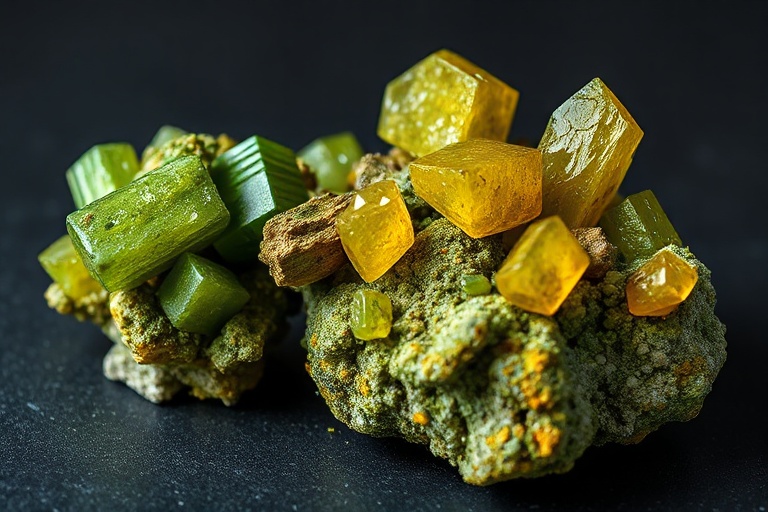
Uranium: The Dual-Edged Fuel Powering Modern Civilization
“`html
Uranium: The Dual-Edged Fuel Powering Modern Civilization
Few elements command as much attention—or controversy—as uranium. This dense, radioactive metal sits at the heart of nuclear energy and weapons, making it a cornerstone of geopolitics and technological advancement. Yet its dual nature—both a source of clean energy and a potential global threat—has sparked decades of debate. Understanding uranium requires examining its properties, its role in energy production, and the broader implications of its use.
The Science Behind Uranium: Properties and Occurrence
Uranium is the heaviest naturally occurring element on Earth, with an atomic number of 92. It exists in several isotopes, the most common being uranium-238 (comprising 99.3% of natural uranium) and uranium-235 (0.7%), which is fissile and capable of sustaining a nuclear chain reaction. Discovered in 1789 by German chemist Martin Klaproth, uranium remained a scientific curiosity until the 20th century, when its potential for energy and warfare became clear.
Naturally occurring uranium is found in trace amounts in soil, rock, and even seawater. It is typically extracted through mining, with Canada, Kazakhstan, and Australia leading global production. The ore is processed into yellowcake—a concentrated form of uranium oxide—before undergoing enrichment to increase the concentration of U-235 for use in nuclear reactors or weapons.
Its radioactivity, while hazardous in high doses, is harnessed in controlled settings to generate power. Uranium’s energy density is staggering: one kilogram of uranium-235 can produce as much energy as 3 million kilograms of coal. This efficiency makes it a compelling option for reducing carbon emissions in the energy sector.
Key Properties of Uranium
- Atomic Number: 92
- Density: 19.1 g/cm³ (one of the densest naturally occurring elements)
- Melting Point: 1,132°C (2,070°F)
- Half-Life: 4.5 billion years (for U-238)
- Radioactive Decay: Emits alpha particles, with U-235 and U-238 decaying into thorium and protactinium, respectively
Uranium in Energy: The Nuclear Power Debate
Nuclear power provides approximately 10% of the world’s electricity, with uranium serving as its primary fuel. Reactors split uranium atoms in a process called fission, releasing heat that generates steam to drive turbines. Unlike fossil fuels, nuclear energy produces minimal greenhouse gas emissions, positioning it as a critical component in the transition to cleaner energy sources.
However, the industry faces significant challenges. Public perception remains wary due to high-profile accidents like Chernobyl (1986) and Fukushima (2011), which highlighted the risks of meltdowns and radiation leaks. Waste disposal is another contentious issue; spent nuclear fuel remains hazardous for thousands of years, requiring secure storage solutions. Despite these concerns, advancements in reactor technology—such as small modular reactors (SMRs) and molten salt reactors—offer promise for safer, more efficient nuclear power.
Countries like France and Sweden have embraced nuclear energy as a cornerstone of their carbon-neutral strategies, while others, such as Germany, have moved away from it. The debate over uranium’s role in the energy mix is far from settled, balancing its low-carbon benefits against safety and waste management concerns.
For those interested in the intersection of technology and energy, explore how advancements in Technology are shaping the future of nuclear innovation.
The Geopolitical Chessboard: Uranium as a Strategic Resource
Uranium is not just a fuel—it is a geopolitical tool. Access to uranium reserves often determines a nation’s energy independence and military capabilities. The Nuclear Non-Proliferation Treaty (NPT) aims to prevent the spread of nuclear weapons, but enrichment technologies blur the line between civilian and military use. Countries like Iran and North Korea have faced international scrutiny over their uranium enrichment programs, underscoring the metal’s dual-use nature.
The global uranium market is dominated by a handful of suppliers, creating vulnerabilities for importing nations. Russia, despite sanctions, remains a major player, supplying fuel to reactors worldwide while also expanding its nuclear influence through projects like the Akkuyu Nuclear Power Plant in Turkey. Meanwhile, Western nations are investing in domestic mining and enrichment capabilities to reduce reliance on foreign sources.
Uranium’s geopolitical weight extends beyond energy. It influences alliances, sanctions, and even military interventions. The 2003 Iraq War, for instance, was partly justified by claims of uranium procurement for weapons programs, though these were later debunked. Today, the race for uranium-rich regions like Niger and Kazakhstan reflects broader struggles for resource control in an increasingly multipolar world.
Environmental and Ethical Considerations
The extraction and processing of uranium carry significant environmental and ethical costs. Mining operations can contaminate water supplies, displace communities, and expose workers to radiation. Indigenous groups, particularly in Canada and Australia, have protested uranium mining on sacred lands, arguing that the benefits do not outweigh the risks to their health and culture.
Efforts to mitigate these impacts include stricter regulations, improved waste management, and the development of alternative fuels. Thorium, for example, is being explored as a less hazardous substitute for uranium in nuclear reactors. However, the transition remains slow, hindered by economic and technical challenges.
The ethical dimensions of uranium use extend to its role in nuclear proliferation. The International Atomic Energy Agency (IAEA) monitors uranium enrichment programs to prevent weapons development, but loopholes persist. The black market for uranium, though smaller than in previous decades, remains a concern, with smuggling rings occasionally uncovered in Eastern Europe and Central Asia.
Ethical and Environmental Concerns in Uranium Use
- Mining Impact: Soil and water contamination from tailings (waste rock) can persist for centuries.
- Worker Safety: Miners face exposure to radon gas and other radioactive particles, increasing cancer risks.
- Indigenous Rights: Many uranium deposits are located on Indigenous lands, raising conflicts over consent and compensation.
- Proliferation Risks: Enrichment technologies can be repurposed for weapons, complicating global non-proliferation efforts.
- Waste Legacy: Spent fuel rods require long-term storage, with no universally accepted solution yet in place.
A Balanced Path Forward
Uranium’s future hinges on balancing its potential with its risks. For energy, it offers a low-carbon alternative to fossil fuels, but only if safety and waste management improve. Geopolitically, it remains a flashpoint, demanding transparent governance and international cooperation. Ethically, its extraction must prioritize human rights and environmental stewardship.
Innovations like advanced reactor designs and thorium fuel cycles could redefine uranium’s role, but these solutions require investment and political will. Meanwhile, the public’s perception of nuclear energy will continue to shape its adoption, with education and transparency playing crucial roles in shifting opinions.
One thing is clear: uranium is not going away. Whether as a fuel for the next generation of nuclear plants or as a lingering challenge in global security, its impact will be felt for decades. The question is whether humanity can harness its power responsibly—or whether its dangers will ultimately outweigh its benefits.
The path forward demands nuance: acknowledging uranium’s contributions while addressing its flaws. Only then can we hope to unlock its potential without repeating the mistakes of the past.