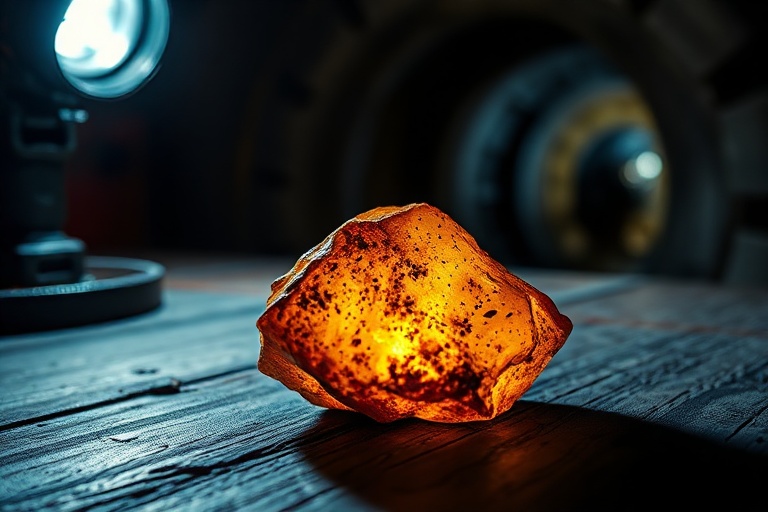
What Is Uranium and Why Does It Matter?
Uranium is a dense, radioactive metal found naturally in soil, rocks, and water. It occurs in three isotopes—U-238, U-235, and U-234—with U-235 being the only one fissile, meaning it can sustain a nuclear chain reaction. This property makes uranium the primary fuel for nuclear power plants and, unfortunately, nuclear weapons.
While uranium exists in trace amounts almost everywhere, significant deposits are concentrated in countries like Kazakhstan, Canada, and Australia. Its extraction and refinement are complex processes, requiring careful handling due to radioactivity and environmental risks. The global demand for uranium has surged alongside the push for cleaner energy alternatives to fossil fuels.
Understanding uranium’s role requires looking beyond its raw material status. It represents a paradox: a source of immense energy potential alongside the shadow of nuclear proliferation and waste management challenges. Its dual nature shapes geopolitical strategies, energy policies, and even environmental debates.
The Science Behind Uranium’s Energy Potential
Nuclear fission is the process that unlocks uranium’s energy. When a neutron strikes a U-235 nucleus, it splits, releasing heat, radiation, and more neutrons. These neutrons then collide with other nuclei, creating a self-sustaining chain reaction. This reaction generates heat, which boils water into steam, driving turbines to produce electricity.
Not all uranium is equal in this process. Natural uranium contains only about 0.7% U-235, which is too low for most reactors. Enrichment increases this concentration, typically to 3-5% for civilian power plants. Highly enriched uranium (over 20% U-235) can be used in research reactors or, in weapons-grade form, nuclear bombs.
The efficiency of uranium as an energy source is staggering. A single uranium fuel pellet, about the size of a gummy bear, contains as much energy as a ton of coal. This density makes nuclear power a compelling option for reducing carbon emissions. However, the technology demands rigorous safety protocols to prevent accidents like Chernobyl or Fukushima.
Key Facts About Uranium
- Half-life: U-238 has a half-life of 4.5 billion years, while U-235’s is 700 million years.
- Energy density: One kilogram of uranium-235 can produce roughly 80 terajoules of energy—equivalent to burning 3 million kilograms of coal.
- Global reserves: The world’s identified uranium resources total about 8.1 million tons, with Kazakhstan leading production at 42% of the global supply.
- Waste: Nuclear waste remains hazardous for thousands of years, requiring secure storage solutions like deep geological repositories.
- Medical uses: Uranium isotopes are used in cancer treatment and medical imaging, though their radioactive nature demands strict controls.
Uranium in the Global Energy Landscape
The role of uranium in energy production is undeniable but contentious. Nuclear power accounts for about 10% of global electricity and nearly 30% of low-carbon energy. Countries like France and the U.S. rely heavily on nuclear energy, while others, such as Germany, have phased it out due to safety concerns.
However, the uranium supply chain is fraught with challenges. Mining operations can devastate local ecosystems, and nuclear waste disposal remains a politically charged issue. The 2011 Fukushima disaster in Japan highlighted the risks of nuclear energy, leading to widespread public skepticism. Yet, as climate change accelerates, some argue that nuclear power is a necessary bridge between fossil fuels and renewable energy.
Geopolitics further complicates uranium’s role. Countries with large uranium reserves, such as Russia and Canada, wield significant influence over energy markets. Sanctions and trade restrictions can disrupt supply chains, as seen during the 2022 Russian invasion of Ukraine, which rattled global uranium markets. This volatility underscores the need for diversified energy sources and strategic stockpiling.
Broader Implications: Ethics, Innovation, and the Future
The ethical dimensions of uranium use extend beyond energy production. The mining industry has historically exploited workers in countries like Niger and the Democratic Republic of Congo, where artisanal mining exposes communities to radiation. International regulations, such as the IAEA’s safety standards, aim to mitigate these risks, but enforcement remains inconsistent.
Innovation offers potential solutions to uranium’s challenges. Advanced reactor designs, like molten salt reactors and fast breeder reactors, promise greater efficiency and reduced waste. These technologies could make nuclear energy safer and more sustainable. Additionally, thorium—a more abundant but non-fissile alternative—is being explored as a potential fuel source.
The future of uranium will likely be shaped by three key factors: technological advancements, geopolitical stability, and public perception. As renewable energy sources like solar and wind become more viable, nuclear power may face stiff competition. Yet, its ability to provide consistent, large-scale energy ensures it will remain a critical player in the global energy mix.
Looking Ahead: What’s Next for Uranium?
Several trends are poised to redefine the uranium industry. First, the push for decarbonization could drive renewed investment in nuclear energy, particularly in nations seeking to reduce reliance on coal and gas. Second, advancements in reactor technology may address safety and waste concerns, making nuclear more palatable to skeptics. Third, the rise of small modular reactors (SMRs) could decentralize energy production, reducing dependence on large-scale plants.
However, these developments will not occur in a vacuum. Regulatory hurdles, public opposition, and economic viability will all play decisive roles. The uranium industry must also grapple with its environmental footprint, from mining to waste disposal. Transparency and corporate responsibility will be essential in securing a sustainable future for nuclear energy.
For those interested in exploring related topics, Dave’s Locker offers in-depth coverage of energy trends and geopolitical shifts. Check out our Technology and Politics sections for more analysis on how uranium fits into broader global narratives.
Uranium is more than just a fuel—it’s a symbol of humanity’s capacity to harness nature’s most powerful forces. Whether it becomes a cornerstone of clean energy or a relic of a risky technological era depends on the choices we make today. The path forward requires balancing innovation with caution, ambition with responsibility.