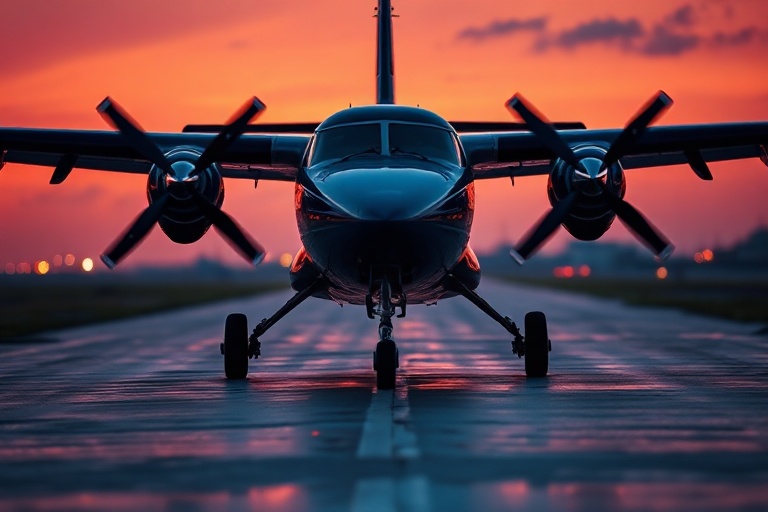
There’s a moment in every flight that passengers feel the same sense of release—when the wheels leave the runway and the ground falls away. In aviation, it’s called “wheels up,” the precise instant the aircraft transitions from solid ground to airborne motion. But beyond the technical definition, this phrase has taken on deeper meaning across cultures, media, and even social media.
What began as a pilot’s shorthand has evolved into a symbol of departure, adventure, and sometimes finality. From viral videos capturing dramatic takeoffs to its presence in music, film, and slang, “wheels up” now carries emotional weight. It marks not just the start of a journey, but a threshold between worlds—between what was and what will be.
The Birth of a Phrase: From Cockpit to Culture
Like many aviation terms, “wheels up” originated in the cockpit. Pilots and air traffic controllers use it to confirm that an aircraft has successfully lifted off and its landing gear is retracted. The phrase is concise, unambiguous, and critical for safety communication. But its journey from technical jargon to everyday language reflects broader cultural trends in how we perceive travel and transition.
Air travel has long fascinated humanity. The Wright brothers’ first flight in 1903 wasn’t just a technological milestone—it was the beginning of a new way to move through the world. As commercial aviation expanded in the mid-20th century, so did the language around it. Terms like “takeoff,” “boarding,” and “final approach” entered public lexicon, but few became as emotionally resonant as “wheels up.”
The phrase gained momentum in the digital age, especially with the rise of smartphone videos. Travelers began filming and sharing those first few seconds of ascent, often accompanied by cheers or emotional reactions. These clips weren’t just documentation—they were celebrations of movement, possibility, and escape. Over time, “wheels up” became shorthand for more than just a plane leaving the ground. It symbolized leaving behind stress, responsibilities, or even the past.
A Global Symbol: From Airports to Anthems
The phrase has transcended language barriers. In English-speaking countries, it’s common to hear someone say “wheels up” before a big trip. In Mandarin, the equivalent concept is often expressed as “起飞” (qǐfēi), meaning “to take off,” which carries similar connotations of starting something new. In French, “décollage” serves a dual purpose—both technical (takeoff) and metaphorical (launching into a new phase).
This linguistic universality speaks to a shared human experience: the desire to move forward. Whether it’s a student beginning a study abroad program, a family reuniting across continents, or a musician touring overseas, “wheels up” captures that moment of departure with a mix of excitement and uncertainty.
Music has embraced the phrase as well. Artists from various genres have used “wheels up” in lyrics to evoke themes of freedom, escape, or new beginnings. In country music, it often symbolizes leaving a troubled past behind. In hip-hop, it can represent ambition and upward mobility. Even pop ballads use it to signal emotional release—like shedding tears during takeoff as a metaphor for letting go.
One notable example is the 2018 song “Wheels Up” by rapper YNW Melly, which became a streaming hit. Though its lyrics focus on luxury and success, the title taps into the broader cultural association of flight with upward mobility. Meanwhile, in K-pop, groups like BTS have referenced airplane imagery in songs like “Airplane Pt. 2,” reinforcing the idea of travel as both literal and metaphorical journey.
The Darker Side: When “Wheels Up” Means Goodbye
Not all departures are joyful. The phrase “wheels up” can also carry a sense of finality, especially in contexts beyond travel. In some cultures, airplanes are linked to migration, asylum, and displacement—where taking off means leaving home forever, sometimes under duress.
In 2021, as the U.S. withdrew from Afghanistan, viral images showed crowds rushing the Kabul airport, desperate to board evacuation flights. For many, “wheels up” wasn’t just a phrase—it was a lifeline. The moment the wheels left the tarmac represented both hope and heartbreak: hope for safety, but heartbreak for those left behind.
Similarly, climate migration is becoming a reality for communities facing rising sea levels or extreme weather. The idea of “wheels up” takes on new meaning when it represents forced displacement rather than voluntary travel. In these cases, the phrase becomes a reminder of global inequality and environmental crisis.
Even in corporate contexts, “wheels up” can signal the end of an era. When a company relocates its headquarters or shuts down operations, employees might jokingly—or sadly—say the company’s “wheels are up,” meaning it’s moving on without them.
The Future of “Wheels Up”: From Phrase to Philosophy
As air travel becomes more accessible and sustainable, the cultural footprint of “wheels up” will likely grow. Electric planes, supersonic travel, and space tourism could redefine what it means to leave the ground. Already, companies like SpaceX and Blue Origin use aviation-inspired language in their branding, reinforcing the idea that “wheels up” isn’t just for runways anymore.
Social media continues to amplify the phrase’s reach. TikTok creators film their first flights, influencers document long-haul journeys, and memes play on the anxiety of takeoff. “Wheels up” has become a hashtag, a caption, a sound effect in videos—proof that language evolves with technology and culture.
But perhaps the most enduring legacy of “wheels up” is its emotional resonance. In a world where change is constant and transitions feel rapid, the phrase offers a sense of control. It marks a deliberate moment—one where you choose to lift off, to move forward, to embrace the unknown.
Whether you’re boarding a red-eye to Tokyo, starting a new job abroad, or simply turning the page in life, “wheels up” captures that universal feeling: the exhilaration of leaving something behind and the anticipation of what comes next.
Next time you feel the plane accelerate down the runway, listen closely. You might hear more than engines—you might hear the sound of the world shifting beneath you.
Exploring More
If you’re fascinated by the intersection of travel and culture, explore our Travel section for deeper insights into global journeys. Or, for a look at how technology is reshaping aviation, visit our Technology category to read about innovations in flight.
What does “wheels up” mean to you? Share your stories in the comments—whether it’s your first solo trip, a career leap, or a symbolic fresh start.