Discover Cornwall: Britain’s Cultural Crossroads Beyond the Postcard Scenery
“`html
Cornwall: Britain’s Coastal Jewel Beyond the Cliffs
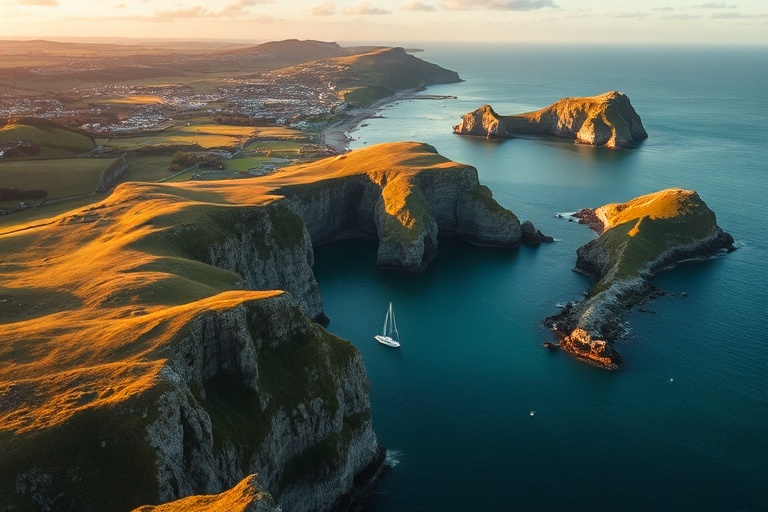
Perched at the southwestern tip of Britain, Cornwall is often reduced to postcard images of dramatic cliffs and pasty shops. Yet this region offers far more than the sum of its scenic parts. From ancient Celtic roots to a thriving modern arts scene, Cornwall has evolved into a cultural crossroads where tradition and innovation collide. Its identity stretches beyond tourism brochures, revealing a place where language, cuisine, and industry have carved out a unique niche in the global landscape.
The county’s story begins long before the first tourist train chugged into St Ives. Archaeological sites like Chysauster Ancient Village suggest continuous habitation since the Iron Age, while Celtic place names still pepper the landscape. Cornwall’s distinct identity survived centuries of political assimilation, with the Cornish language experiencing a remarkable revival in the 20th century. Today, it’s one of the few Celtic nations recognized by the UK government, alongside Scotland, Wales, and Ireland.
The Cornish Language: Europe’s Oldest Living Language
While English dominates daily life, Cornish remains a living language with about 3,000 speakers. This Brythonic tongue, closely related to Welsh and Breton, nearly disappeared in the 18th century before a determined revival movement took hold. The first complete translation of the Bible appeared in 2011, and today children can attend bilingual schools where Cornish and English share classroom time. This linguistic preservation isn’t just academic—it’s a defiant celebration of Cornish heritage in an increasingly homogenized world.
The language’s influence extends beyond conversation. It appears on road signs, in local media, and even in the names of businesses like food producers who emphasize local sourcing. The revival movement has spawned festivals, music, and literature that wouldn’t exist without this linguistic foundation. In a global context, Cornwall’s language preservation offers a model for other minority cultures facing similar pressures of assimilation.
The Mining Legacy That Shaped the Industrial World
Cornwall’s most significant global contribution might be its mining heritage. During the 18th and 19th centuries, Cornwall was the Silicon Valley of its day—producing more copper and tin than any other region on Earth. This expertise led to a mining diaspora that spread Cornish engineers and technology worldwide. Towns like Redruth and Camborne became global centers of innovation, while Cornish miners carried their skills to Australia, South Africa, and the Americas.
Today, the Cornwall and West Devon Mining Landscape is a UNESCO World Heritage Site, preserving over 200 years of industrial history. The region’s mining museums attract visitors interested in the technical innovations that powered the Industrial Revolution. This legacy isn’t just about nostalgia—it’s a reminder that Cornwall played a pivotal role in shaping the modern global economy. The mining industry’s collapse in the late 19th century also forced Cornwall to reinvent itself, a theme that continues to define the region today.
The Artistic Renaissance That Transformed a Landscape
Cornwall’s artistic reputation blossomed in the late 19th century when artists like Stanhope Forbes and Walter Besant established the Newlyn School. This colony of painters rejected urban academic traditions in favor of capturing the raw beauty of rural Cornwall. Their work attracted collectors from across Europe, putting Cornish landscapes on the global art map. The tradition continues today at institutions like the Tate St Ives, which has become one of Britain’s most visited modern art galleries.
The artistic community extends beyond painting. Cornwall hosts the annual Eden Project, an architectural marvel built inside a reclaimed clay pit, and the Folk Festival in Wadebridge draws musicians from around the world. This creative energy has turned Cornwall into a cultural destination that rivals larger, more established arts hubs. The region’s isolation paradoxically became its greatest asset—allowing artists to work without the distractions of urban centers while drawing inspiration from the untamed coastline and moorland.
This artistic ecosystem has also created economic opportunities. Creative industries now employ thousands, from digital designers working remotely to traditional craftspeople selling handmade goods. The region’s success in attracting creative talent has even spawned initiatives like the Cornwall Creative Skills program, which trains young people in digital and traditional crafts.
The Modern Cornwall: Innovation Meets Tradition
Today’s Cornwall is a study in contrasts. Fishing villages sit alongside cutting-edge renewable energy projects. Traditional pasties are packaged for global export while tech startups operate from converted barns. The region has become a testing ground for sustainable tourism, with initiatives like the Cornwall Wildlife Trust working to protect the very landscapes that draw visitors.
The county’s economy has diversified significantly. While tourism remains vital, sectors like renewable energy and food production have grown substantially. The development of the Wave Hub, a marine energy test site, positions Cornwall at the forefront of clean energy innovation. Meanwhile, local food producers have built a reputation for high-quality, sustainable products that command premium prices in London and beyond.
This evolution hasn’t been without challenges. Rising property prices driven by second-home ownership have priced out many locals. Seasonal tourism creates economic instability. Yet Cornwall’s response to these issues demonstrates remarkable resilience. Community land trusts have emerged to provide affordable housing, while initiatives like the Cornwall Council’s Tourism Accommodation Strategy aim to spread benefits more evenly throughout the year.
The Global Cornwall Connection
Cornwall’s influence extends far beyond its physical borders through several key connections:
- Diaspora: An estimated 250,000 people worldwide claim Cornish ancestry, with strong communities in Australia, South Africa, and the United States.
- Cultural exports: Cornish music, dance, and cuisine have gained international recognition, from the Obby Oss festival in Padstow to Cornish pasties now sold in American supermarkets.
- Business networks: The “Cornish diaspora” has created global business networks that support trade and investment between Cornwall and its former emigrants.
- Educational partnerships: Universities in Cornwall collaborate with institutions worldwide on marine research, renewable energy, and cultural studies.
This global network provides Cornwall with unique opportunities for economic development and cultural exchange. The county’s recent designation as a “superfast broadband zone” has further enhanced its ability to connect with these international communities.
The Future: Balancing Growth and Identity
As Cornwall looks to the future, it faces critical questions about identity and development. The region’s success in attracting investment must be balanced with preserving the very qualities that make Cornwall special. The tension between growth and tradition is evident in debates about housing development, tourism management, and cultural preservation.
Yet Cornwall has shown remarkable adaptability throughout its history. From surviving the collapse of its mining industry to reinventing itself as an arts destination, the region has consistently found new paths forward. The current focus on sustainable tourism, renewable energy, and digital innovation suggests that Cornwall’s next chapter might be its most successful yet.
Perhaps Cornwall’s greatest strength lies in its ability to maintain a distinct identity while engaging with the wider world. In an era where globalization threatens to erase regional differences, Cornwall offers a counterpoint—a place where tradition and innovation coexist, where global connections enhance rather than diminish local character. This balance may well be the key to its continued success.
As visitors leave their cars in Truro or St Ives, they take with them more than just photographs. They carry impressions of a place that refuses to be defined by its scenery alone. Cornwall remains, in many ways, what it has always been: a region that defies easy categorization, a land where the past and future collide in unexpected harmony.