What Is an F1 Sprint Race and Why Does Time Matter?
The Formula 1 Sprint race, introduced in 2021, transformed weekend formats by compressing a traditional race into a shorter, high-stakes event. Unlike full-length races that span 300 kilometers, sprints cover just 100 kilometers—roughly one-third of the distance. Yet despite their brevity, sprints have reshaped how fans perceive race time, strategy, and even the sport’s cultural footprint.
Sprint races occur on Saturday, replacing the traditional qualifying session. The grid is set by Friday’s qualifying, then the sprint itself takes place on Saturday afternoon. Points are awarded to the top eight finishers—three for eighth place, two for seventh, and one for sixth—making every second count. This format has forced teams to rethink their approach to time management, car setup, and driver performance in ways unseen in traditional F1 weekends.
The Evolution of Sprint Race Time: From Concept to Reality
The idea of a sprint-style race wasn’t new, but its integration into F1 began as a trial in 2021. Three circuits hosted sprints that year: Silverstone, Monza, and Interlagos. The response was immediate. Fans enjoyed faster-paced action. Teams appreciated the extra on-track time for development. Broadcasters saw higher engagement. Within two years, sprints expanded to six races in 2023, including iconic venues like Spa-Francorchamps and Suzuka.
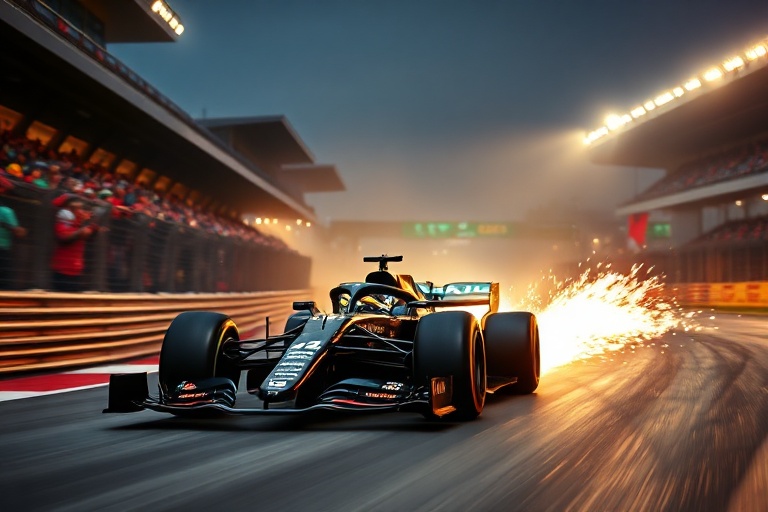
Each sprint lasts between 25 and 35 minutes, depending on track conditions and safety car periods. While that might seem brief, the intensity is relentless. Drivers push from the first corner, knowing that even a minor mistake can cost positions—and points. The average lap time in a sprint is often faster than in a full race because cars are lighter without full fuel loads and tire wear is less critical. This creates a unique spectacle where raw speed and precision matter more than long-term strategy.
How Sprint Race Time Affects Strategy and Fan Experience
Sprint weekends compress what used to be a three-day event into two days, with qualifying moved to Friday evening. This shift has forced teams to adapt their preparation timelines. Engineers now prioritize Friday setup tweaks over Sunday race simulations. Drivers must be ready to perform at peak capacity across multiple sessions in a condensed window.
For fans, the time compression means more action in less time. Instead of waiting until Sunday for high-stakes racing, spectators get a taste of competition on Saturday. The shorter format also makes F1 more accessible to casual viewers who may not have time for a full 90-minute race. Broadcasters like Sky Sports and ESPN have reported increased viewership during sprint weekends, particularly among younger audiences who prefer bite-sized content.
However, not all changes have been universally praised. Purists argue that sprints dilute the significance of the main race. Some teams feel the additional running increases mechanical stress without sufficient reward. And while sprints add excitement, they also reduce the strategic depth that defines classic F1 weekends—fewer tire choices, less fuel management, and fewer pit stop variables.
Global Reach: How Sprint Races Are Reshaping F1’s Cultural Impact
Sprint races have become a global phenomenon, stretching F1’s influence into new markets. In 2023, sprints were held in six countries across three continents: the United Kingdom, Italy, Belgium, Japan, Qatar, and the United States. This geographic diversity reflects F1’s push to grow beyond its European roots and engage with audiences in Asia and North America.
In Japan, for example, the Suzuka sprint drew record crowds and massive TV ratings, reinforcing the country’s status as a key market for motorsport. In Qatar, the Losail International Circuit hosted its first sprint in 2023, aligning with the nation’s broader investment in sports infrastructure. These events are not just races—they are cultural touchpoints, blending local traditions with global spectacle.
Social media has amplified the reach of sprint races. Clips of overtakes on Saturday now rival Sunday’s highlights in terms of online engagement. The urgency of sprint racing—where every corner could change the outcome—makes for perfect viral content. Platforms like TikTok and Instagram have seen spikes in F1-related posts during sprint weekends, particularly among Gen Z viewers who consume short-form video.
The Future of Sprint Race Time: What’s Next for F1?
The 2024 season will see sprints expand to seven races, with the addition of the Chinese Grand Prix in Shanghai. This marks a return to motorsport’s historic heartland and a strategic move to tap into Asia’s growing fanbase. The format may continue evolving, with discussions about increasing points or even introducing sprint qualifying—a hybrid session where drivers compete in shorter runs to set the grid.
One thing is certain: sprint race time has become a defining feature of modern F1. It has redefined what it means to be a race weekend, balancing tradition with innovation. For teams, it’s a test of adaptability. For fans, it’s a faster, more accessible way to experience the thrill of Formula 1. And for the sport itself, it’s a tool for growth in an increasingly competitive entertainment landscape.
As F1 continues to experiment with format changes, sprint races stand out as more than just a novelty. They represent a new chapter in the sport’s history—one where time is not just measured in minutes and seconds, but in moments of brilliance, strategy, and unforgettable drama.
Key Takeaways: Sprint Race Time in a Nutshell
- Duration: Sprints last 25–35 minutes, covering ~100 km.
- Points: Awarded to top 8 finishers (8th place gets 3 points).
- Format: Replaces Saturday qualifying; grid set by Friday qualifying.
- Strategy: Less emphasis on tire/fuel management, more on raw pace.
- Cultural Impact: Boosts fan engagement, social media reach, and global expansion.