Indy 500: America’s Premier Racing Spectacle and Global Appeal
“`html
Indy 500: America’s Premier Racing Spectacle and Its Global Influence
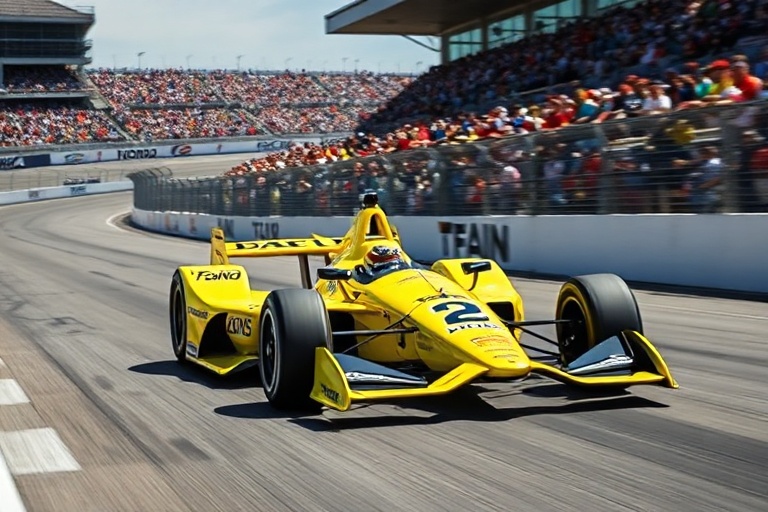
The Indianapolis 500, often referred to simply as the Indy 500, stands as one of the most iconic events in motorsports. Held annually at the Indianapolis Motor Speedway in Indiana, this race draws hundreds of thousands of spectators and millions of viewers worldwide. More than just a sporting event, the Indy 500 is a cultural institution that blends history, engineering, and spectacle into a single weekend of high-octane competition.
The race traces its origins back to 1911, when it was first held as a 500-mile test of endurance and speed. Over the decades, it has evolved from a regional event into a global phenomenon, attracting drivers and fans from across the world. Its longevity and prestige have cemented its place in the annals of motorsports, making it a cornerstone of American racing culture while also resonating with international audiences.
The History and Legacy of the Indy 500
The first Indy 500 took place on May 30, 1911, with Ray Harroun piloting his Marmon Wasp to victory in front of a crowd of 80,000 spectators. The race was conceived as a way to showcase the durability of automobiles and the skill of their drivers, and it quickly became a symbol of American innovation. The Indianapolis Motor Speedway itself was designed with a unique combination of long straightaways and challenging turns, a layout that has remained largely unchanged since its inception.
Throughout the 20th century, the Indy 500 grew in stature, becoming a focal point for technological advancements in racing. The introduction of rearview mirrors, turbine engines, and aerodynamic designs were all pioneered or popularized at the Indianapolis 500. The race also played a pivotal role in the development of the sport of open-wheel racing, influencing series like Formula 1 and NASCAR in both style and substance.
Legends like A.J. Foyt, Al Unser Sr., and Rick Mears have etched their names into the history books by winning the event multiple times. The Borg-Warner Trophy, awarded to the winner each year, is one of the most recognizable trophies in sports, featuring the likenesses of every champion since 1911. This tradition underscores the race’s deep connection to both its past and its future.
The Global Appeal of the Indy 500
While the Indy 500 is deeply rooted in American culture, its influence extends far beyond the borders of the United States. The event has become a global destination for motorsports enthusiasts, attracting teams and drivers from countries such as Brazil, Canada, Japan, and the United Kingdom. The diversity of the field reflects the race’s international appeal, with competitors bringing unique driving styles and engineering approaches to the track.
European drivers, in particular, have made a significant impact on the Indy 500. Nigel Mansell, the 1993 Formula 1 World Champion, famously transitioned to IndyCar racing and won the event in his rookie season. More recently, Felix Rosenqvist and Marcus Ericsson have brought their Formula 1 experience to the Speedway, adding a fresh dynamic to the competition. This cross-pollination of talent has helped elevate the level of racing and broaden the event’s fanbase.
The global reach of the Indy 500 is also evident in its broadcasting and sponsorship. The race is televised in over 150 countries, with networks like NBC and Sky Sports providing extensive coverage. Major international brands, including Pennzoil, NTT, and Chevrolet, sponsor teams and drivers, further embedding the event in the global marketplace. These partnerships not only enhance the race’s prestige but also ensure its continued growth in new markets.
Key International Moments in Indy 500 History
The Indy 500 has produced countless memorable moments that have resonated with fans around the world. Here are a few highlights that underscore its global significance:
- 1965: Jim Clark’s Dominance – The Scottish driver, already a two-time Formula 1 World Champion, entered the Indy 500 and won in dominating fashion. His victory showcased the potential of European drivers in American open-wheel racing and opened the door for more international participation.
- 1993: Nigel Mansell’s Cinderella Story – The reigning F1 champion shocked the motorsports world by winning the Indy 500 in his first attempt. His victory proved that success in one discipline of racing could translate seamlessly to another.
- 2017: Takuma Sato’s First Win – The Japanese driver claimed victory in a thrilling finish, becoming the first Asian-born driver to win the Indy 500. His triumph was celebrated across Asia and highlighted the race’s appeal in new markets.
- 2021: Hélio Castroneves’ Historic Fourth Win – The Brazilian driver, known for his aggressive yet precise driving style, secured his fourth Indy 500 victory, tying him with A.J. Foyt and Al Unser Sr. for the most wins in the event’s history.
The Cultural Significance of the Indy 500
The Indy 500 is more than just a race; it is a cultural touchstone that reflects the values and aspirations of American society. The event is steeped in tradition, from the singing of “Back Home Again in Indiana” before the race to the victory lane milk toast, a nod to the dairy industry in Indiana. These rituals create a sense of continuity and connection to the past, reinforcing the race’s role as a communal experience.
For many Americans, the Indy 500 is a rite of passage, a weekend filled with tailgating, camping, and camaraderie. The Indianapolis Motor Speedway, with its capacity of over 235,000 permanent seats and expansive infield, becomes a temporary city of its own, hosting fans from all walks of life. The event’s ability to bring people together, regardless of background, underscores its unique place in the American cultural landscape.
Internationally, the Indy 500 has also become a symbol of American ingenuity and ambition. The race’s emphasis on innovation, from aerodynamics to engine technology, aligns with the broader narrative of the United States as a leader in technological progress. This perception has helped the event gain traction in countries where motorsports are growing in popularity, such as China and India.
The Future of the Indy 500
As the Indy 500 approaches its second century, it faces both challenges and opportunities. One of the biggest challenges is maintaining its relevance in an era of rapidly changing sports consumption habits. Younger audiences, in particular, are increasingly drawn to esports and other digital entertainment platforms. To address this, the Indy 500 has embraced technology, offering virtual reality experiences, interactive fan zones, and enhanced broadcasting options.
The race is also adapting to the growing demand for sustainability. In recent years, organizers have introduced initiatives to reduce the event’s environmental impact, such as recycling programs and energy-efficient practices. Additionally, the shift toward hybrid and electric powertrains in motorsports presents an opportunity for the Indy 500 to position itself at the forefront of green innovation.
Looking ahead, the Indy 500 is poised to continue its evolution while staying true to its core traditions. The event’s ability to balance innovation with nostalgia has been key to its enduring appeal. As long as it remains a platform for showcasing the best in racing technology and human skill, the Indy 500 will likely remain a global spectacle for decades to come.
The Indianapolis 500 is more than a race; it is a celebration of speed, tradition, and global unity. From its humble beginnings in 1911 to its current status as a premier motorsports event, the Indy 500 has transcended its origins to become a symbol of excellence in racing. Its ability to attract drivers, teams, and fans from around the world underscores its universal appeal, making it a must-watch event for motorsports enthusiasts everywhere. As the race continues to evolve, one thing is certain: the spirit of the Indy 500 will endure, driving the future of motorsports forward.