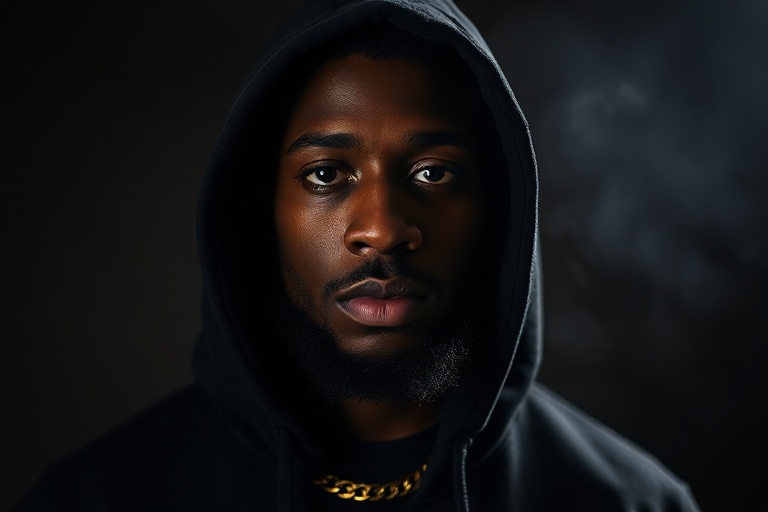
Joey Elizabeth Shaw has quietly emerged as one of the most compelling voices in contemporary narrative artistry. With a career spanning over a decade, Shaw has transitioned from underground literary circles to mainstream recognition, all while maintaining a fiercely independent ethos. Their work—encompassing fiction, essays, and hybrid forms—challenges conventional boundaries, blending raw emotional authenticity with meticulous craftsmanship.
Born in Portland, Oregon, Shaw’s upbringing in the Pacific Northwest’s eclectic arts scene profoundly shaped their perspective. The region’s emphasis on individualism and creative expression left an indelible mark, fueling Shaw’s relentless pursuit of unconventional storytelling methods. By their early twenties, Shaw had already begun publishing in small literary journals, earning a reputation for fearless originality.
The Evolution of a Literary Voice
Shaw’s early writing was marked by a raw, almost visceral quality, drawing comparisons to the confessional poets of the 1950s and 60s. Their debut collection of short stories, Gutting the Whale, published in 2014, showcased a distinct voice that refused to shy away from themes of grief, identity, and the grotesque beauty of human imperfection. Critics praised the collection for its unflinching honesty, though some struggled to categorize Shaw’s work within existing literary movements.
The transition from short fiction to longer-form narratives came naturally for Shaw. Their first novel, The Hollow Hours, published in 2018, solidified their place in contemporary literature. The novel, a sprawling exploration of familial trauma and redemption set against the backdrop of the 2008 financial crisis, was hailed as a tour de force. Shaw’s ability to weave personal and political threads into a cohesive narrative earned them comparisons to luminaries like Jonathan Franzen and Donna Tartt, though Shaw’s voice remained distinctly their own.
What sets Shaw apart is their refusal to be pigeonholed. While some writers find comfort in genre or stylistic consistency, Shaw thrives in experimentation. Their most recent project, An Atlas of Loneliness, is a hybrid work blending essays, poetry, and fictional vignettes. The book examines the paradox of modern connectivity—how, despite constant communication, loneliness persists as a defining feature of contemporary life.
Themes That Define Shaw’s Work
Shaw’s writing is deeply rooted in the exploration of human fragility. A recurring motif in their work is the idea of “broken systems”—whether familial, societal, or psychological—and the ways in which individuals navigate these fractures. In Gutting the Whale, the stories often revolve around characters who are either on the verge of collapse or in the process of rebuilding. Shaw’s prose doesn’t offer easy resolutions; instead, it lingers in the ambiguity of human experience.
Another defining characteristic is Shaw’s engagement with marginalized voices. Many of their protagonists are queer, working-class, or otherwise outside the traditional literary canon. This inclusivity isn’t performative; it’s intrinsic to Shaw’s worldview. They’ve spoken openly about the lack of representation in literature growing up and how that absence motivated their own writing. “Stories aren’t just entertainment,” Shaw once remarked in an interview. “They’re lifelines. If you don’t see yourself in the stories being told, it’s like being erased.”
Shaw’s work also grapples with the intersection of art and activism. While they resist being labeled as a “political writer,” Shaw’s narratives often confront systemic injustice—whether through the lens of economic disparity, racial tension, or gender identity. Their essay collection Notes from the Underground dissects these themes with surgical precision, blending personal anecdotes with sharp sociological critique.
The Craft Behind the Words
Shaw’s writing process is as meticulous as it is idiosyncratic. They eschew rigid outlines, preferring to let the narrative unfold organically through a series of drafts. “I write to discover what I think,” Shaw has said. “If I knew the ending before I started, there’d be no point in writing.” This approach often leads to unexpected turns in their stories, where characters take on lives of their own.
Shaw is also known for their collaborative spirit. They’ve worked with visual artists, musicians, and filmmakers to expand the reach of their narratives. One notable project involved a collaboration with Portland-based artist Mara Chen, where Shaw’s prose was paired with Chen’s surrealist illustrations to create an immersive art book. The result was a multi-sensory experience that challenged the boundaries between literature and visual art.
Despite their critical acclaim, Shaw remains grounded in the realities of being a working writer. They’ve spoken openly about the financial precarity of creative careers, the emotional toll of rejection, and the importance of community in sustaining artistic practice. In a 2022 essay for Dave’s Locker Culture, Shaw wrote, “Writing is a lonely act, but it doesn’t have to be a solitary one. The writers who endure are the ones who build networks—who share resources, offer feedback, and remind each other that the work matters.”
The Future of Joey Elizabeth Shaw
As Shaw’s career continues to evolve, so too does their influence. They’ve recently signed a deal for their next novel, a speculative work set in a near-future America grappling with climate collapse and authoritarianism. Early excerpts suggest a departure from their previous realist style, incorporating elements of dystopian fiction and magical realism. Shaw has described the project as “a warning dressed up as a story.”
Beyond writing, Shaw is also becoming a vocal advocate for literary education. They’ve taught workshops in underserved communities, partnering with organizations like Dave’s Locker Education to make creative writing accessible to all. “Literature isn’t a luxury,” Shaw argues. “It’s a tool for survival. When people see their stories reflected in art, it validates their existence.”
Looking ahead, Shaw shows no signs of slowing down. Whether through their fiction, essays, or public advocacy, they continue to push the boundaries of what storytelling can achieve. In an era where art is often commodified or diluted, Shaw’s work stands as a testament to the power of uncompromising creativity.
Their journey—from the underground literary scenes of Portland to the national stage—is a reminder that great art isn’t just about talent. It’s about persistence, authenticity, and the courage to defy expectations. Joey Elizabeth Shaw isn’t just a writer; they’re a force of cultural change, one story at a time.