Understanding the Mississippi Tornado Warning System
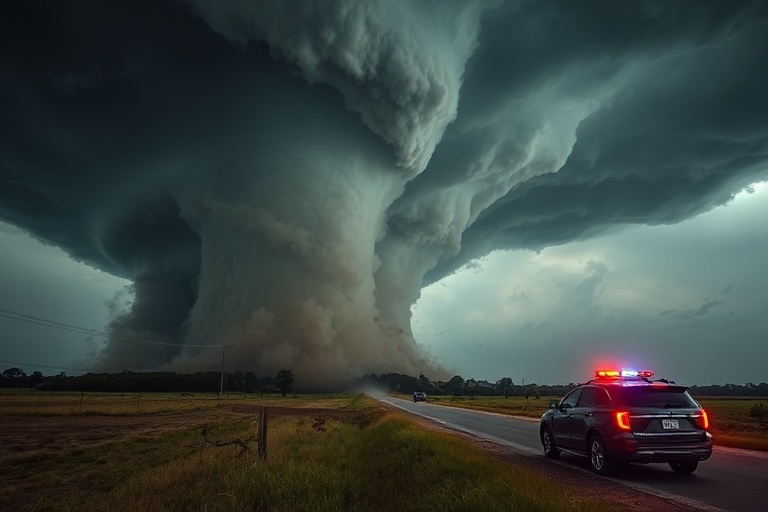
The National Weather Service (NWS) issues tornado warnings when severe weather conditions are imminent or occurring. In Mississippi, these warnings are particularly critical due to the state’s history of deadly tornado outbreaks. The NWS uses advanced Doppler radar systems, trained spotters, and real-time weather models to predict and track tornadoes. When a warning is issued, residents have precious minutes to seek shelter, making community preparedness essential.
Mississippi’s tornado season peaks from March to May, aligning with the broader tornado alley patterns in the southern United States. However, tornadoes can occur year-round, as evidenced by the unexpected winter tornadoes that swept through the state in recent years. The state’s topography, with its mix of dense forests, river valleys, and urban areas, adds complexity to tornado tracking and response efforts.
How Tornado Warnings Differ from Watches
It’s important to distinguish between a tornado watch and a tornado warning. A watch means conditions are favorable for tornadoes to develop, while a warning indicates that a tornado has been spotted or is imminent. The NWS issues warnings for specific counties or regions, giving residents targeted guidance. In Mississippi, these warnings are often accompanied by emergency alerts on phones, television, and radio to ensure maximum reach.
Local meteorologists and emergency management agencies play a crucial role in disseminating these warnings. They provide context, such as the tornado’s expected path, intensity, and recommended safety actions. This localized approach is vital in Mississippi, where rural communities and small towns may have fewer resources to respond quickly to severe weather.
The Human Impact: Stories from Recent Tornadoes
In April 2020, a series of violent tornadoes tore through Mississippi, killing at least 10 people and causing widespread destruction. One of the hardest-hit areas was the town of Bassfield, where an EF4 tornado with winds exceeding 166 mph flattened homes and businesses. Residents described the terrifying moments leading up to the storm, with some barely making it to storm shelters in time.
Agriculture, a cornerstone of Mississippi’s economy, also suffered significant losses. Fields of soybeans, cotton, and corn were devastated, leaving farmers facing financial ruin. The tornadoes disrupted supply chains, highlighting how natural disasters can ripple through local and global markets. Recovery efforts involved not only rebuilding homes but also restoring infrastructure critical to the state’s agricultural output.
Community Resilience in the Face of Disaster
Despite the devastation, Mississippi communities often demonstrate remarkable resilience. Volunteer groups, such as the Mississippi Emergency Management Agency (MEMA) and local faith-based organizations, mobilize quickly to provide food, shelter, and medical aid. In the aftermath of the 2020 tornadoes, neighbors helped neighbors clear debris and rebuild, fostering a sense of solidarity that transcends socioeconomic divides.
Cultural traditions also play a role in recovery. In some communities, annual festivals and fundraisers are held to support tornado victims. These events not only raise funds but also reinforce social bonds, reminding residents that they are not alone in their struggles. This cultural resilience is a testament to Mississippi’s enduring spirit in the face of adversity.
Global Perspectives: Tornado Warnings Beyond Mississippi
While Mississippi is particularly vulnerable to tornadoes, other regions around the world face similar challenges. In Bangladesh, for example, tornadoes and severe thunderstorms kill hundreds of people each year due to the lack of early warning systems and inadequate infrastructure. Comparing these global experiences highlights the importance of investing in meteorological technology and community education.
In the Philippines, typhoons often spawn tornadoes, complicating disaster response efforts. The country’s experience underscores the need for integrated weather monitoring systems that can track multiple hazards simultaneously. Mississippi’s approach to tornado warnings could serve as a model for other regions, emphasizing the value of timely communication and preparedness.
Lessons from International Tornado Response
Countries like Japan and the United Kingdom have adopted innovative approaches to tornado warnings. Japan, which experiences frequent tornadoes during typhoon season, uses a combination of radar, satellite imagery, and automated alert systems to warn citizens. The UK, while not as tornado-prone as Mississippi, has developed a robust Severe Weather Warning service that provides clear, actionable advice to the public.
These international examples demonstrate that effective tornado warning systems rely on more than just technology. They require strong government policies, public education campaigns, and community engagement. Mississippi has made strides in these areas, but there is always room for improvement, particularly in reaching underserved populations.
Preparing for the Next Storm: Safety and Prevention
Preparation is the key to surviving a tornado. The NWS recommends having a tornado safety plan that includes identifying the safest room in your home (typically a basement or interior room on the lowest floor) and practicing drills with your family. In Mississippi, many schools and businesses conduct regular tornado drills to ensure everyone knows what to do when a warning is issued.
Emergency kits are another critical component of tornado preparedness. These kits should include water, non-perishable food, flashlights, batteries, a first-aid kit, and copies of important documents. For those with pets, it’s essential to include supplies for them as well. Local organizations, such as the American Red Cross, often distribute free emergency kits to residents in high-risk areas.
Technology’s Role in Tornado Detection
Advancements in technology have significantly improved tornado detection and warning times. Doppler radar, for instance, can detect the rotation within a storm that often precedes a tornado. In recent years, the NWS has expanded its use of dual-polarization radar, which provides more detailed information about precipitation and debris, helping meteorologists issue more accurate warnings.
Mobile apps and social media platforms also play a growing role in tornado preparedness. Apps like the NWS Mobile Weather provide real-time alerts, while platforms like Twitter and Facebook allow residents to share updates and warnings with their communities. These tools are particularly valuable in rural areas where traditional communication methods may be less reliable.
Conclusion: Staying Vigilant in a Changing Climate
Mississippi’s tornado warnings serve as a reminder of the power of nature and the importance of preparedness. As climate change increases the frequency and intensity of severe weather events, the need for robust warning systems and community resilience becomes even more urgent. By learning from past disasters, investing in technology, and fostering a culture of readiness, Mississippi can continue to protect its residents from the devastating impact of tornadoes.
The stories of survival and recovery from recent tornadoes highlight the strength of Mississippi’s communities. They also serve as a call to action for individuals, governments, and organizations to prioritize tornado preparedness. Whether through emergency drills, volunteer efforts, or technological innovation, every step taken to improve safety makes a difference.
As we look to the future, the lessons learned in Mississippi can offer valuable insights to other regions facing similar challenges. By staying informed, prepared, and united, communities can weather any storm that comes their way.