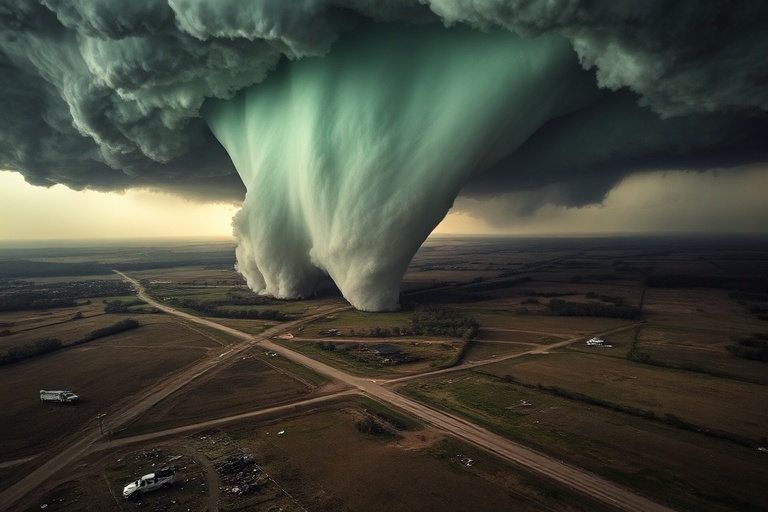
Each year, Mississippi faces the brutal reality of tornado season, a period where the state’s geography and climate create a perfect storm for these destructive forces. Unlike hurricanes, which gather strength over days, tornadoes in Mississippi can form in a matter of minutes, leaving little time for preparation. The state’s location in the heart of Tornado Alley’s southern extension means residents must remain vigilant from late winter through early summer, when conditions are most favorable for twisters to develop.
The National Oceanic and Atmospheric Administration (NOAA) reports that Mississippi averages 24 tornadoes per year, though some seasons have seen nearly triple that number. The storms are not just a spring phenomenon either; they can strike at any time, as demonstrated by the devastating December 2021 outbreak that produced 12 tornadoes in a single night, including an EF-4 that tore through Humphreys County. These events underscore the unpredictable and relentless nature of tornadoes in the Magnolia State.
The Anatomy of a Mississippi Tornado
Tornadoes in Mississippi are often born from supercell thunderstorms, which are characterized by a rotating updraft known as a mesocyclone. These storms thrive on instability in the atmosphere, where warm, moist air from the Gulf of Mexico collides with cooler, dry air from the north. The collision creates a volatile environment where wind shear—changes in wind speed and direction with altitude—can cause the air to rotate horizontally. If this rotation tightens and stretches vertically, it can form a funnel cloud that descends to the ground, becoming a tornado.
Mississippi’s topography plays a role in intensifying these storms. The state’s relatively flat terrain allows storms to travel long distances without disruption, while the dense forests and river valleys can funnel winds into tighter spaces, increasing their destructive potential. The most violent tornadoes, rated EF-4 or EF-5 on the Enhanced Fujita Scale, often occur in the spring and early summer, when atmospheric instability is at its peak.
Key Factors Contributing to Mississippi Tornadoes
- Gulf Moisture: Warm, humid air from the Gulf of Mexico provides the fuel for thunderstorms to intensify.
- Wind Shear: Rapid changes in wind direction and speed with altitude help create rotating updrafts.
- Instability: Unstable air masses, where warm air near the surface rises rapidly, fuel storm development.
- Frontal Boundaries: Collisions between warm and cold fronts often trigger the formation of supercell thunderstorms.
- Topography: Flat terrain and river valleys can enhance wind speeds and storm longevity.
The Human Impact: Stories of Survival and Loss
The human toll of Mississippi’s tornadoes is staggering. In April 2011, a historic outbreak produced 62 tornadoes across the state, killing 32 people and injuring hundreds more. One of the deadliest storms, an EF-5, leveled the town of Smithville, reducing buildings to rubble and stripping trees of their bark. Residents recall the eerie silence that followed the storm, broken only by the cries of survivors. For many, the trauma lingers years after the event.
Survivors often describe a mix of terror and resilience. In Rolling Fork, a town ravaged by an EF-4 tornado in March 2023, one resident recounted watching the sky turn green before the storm hit. “It sounded like a freight train,” she said. “There was no time to think, only to react.” The community came together in the aftermath, relying on each other for shelter, food, and emotional support. These stories highlight the strength of Mississippi’s people, even in the face of nature’s wrath.
However, the recovery process is long and arduous. Displaced families often struggle with temporary housing, financial strain, and mental health challenges. The Federal Emergency Management Agency (FEMA) and local organizations like the Mississippi Emergency Management Agency (MEMA) play critical roles in providing aid, but the road to rebuilding is often slow and uneven. In some cases, entire neighborhoods are never the same, with empty lots standing as reminders of what once was.
Preparation and Prevention: Can Mississippi Reduce the Toll?
While tornadoes cannot be prevented, their impact can be mitigated through better preparation and infrastructure. Mississippi has made strides in recent years, particularly in early warning systems. The state’s tornado warning system, which includes NOAA Weather Radio and emergency alert messages, has improved response times. However, challenges remain, particularly in rural areas where sirens may not be audible or residents lack access to real-time updates via smartphones.
Community education is another critical component. Schools and local organizations conduct tornado drills to ensure residents know where to shelter—preferably in a basement or an interior room on the lowest floor of a sturdy building. Yet, many homes in Mississippi, especially in older communities, lack basements due to the state’s high water table. This forces residents to rely on interior closets or bathrooms as last-resort shelters.
Infrastructure resilience is also a growing focus. Some towns have invested in storm shelters, particularly in schools and public buildings. In 2022, the city of Tupelo allocated funds to build community tornado shelters after a near-miss tornado narrowly avoided the downtown area. These efforts are a step in the right direction, but widespread implementation remains a challenge due to funding constraints.
Steps to Improve Tornado Resilience in Mississippi
- Expand Early Warning Systems: Increase the number of NOAA Weather Radio transmitters and improve alert dissemination in rural areas.
- Enforce Building Codes: Strengthen construction standards for new homes and public buildings to withstand high winds.
- Invest in Community Shelters: Prioritize funding for tornado shelters in high-risk areas, particularly schools and mobile home parks.
- Enhance Public Education: Launch statewide campaigns to teach residents about tornado preparedness and safe sheltering practices.
- Leverage Technology: Utilize smartphone apps and social media to provide real-time updates and location-based warnings.
The Broader Implications: Climate Change and the Future
The frequency and intensity of tornadoes in Mississippi may be influenced by broader climate trends. While tornadoes are localized events, research suggests that changing weather patterns could alter their behavior. Warmer temperatures and increased moisture in the atmosphere may create more favorable conditions for severe thunderstorms, though the relationship between climate change and tornadoes is still a subject of study.
For Mississippi, this uncertainty underscores the need for adaptive strategies. Emergency management agencies must prepare for a wider range of scenarios, from prolonged tornado seasons to rapid-onset storms. The state’s growing population, particularly in urban areas like Jackson and Gulfport, also increases the potential for catastrophic damage if a major tornado strikes a densely populated region.
Insurance companies are taking notice. In recent years, premiums for homeowners in tornado-prone areas have risen, reflecting the increased risk. Some insurers have even pulled out of certain regions, leaving homeowners with fewer options. This trend highlights the economic ripple effects of tornadoes, which extend beyond immediate destruction to long-term financial strain for individuals and communities.
For Mississippi, the path forward requires a balance of preparedness, innovation, and community resilience. While the state cannot control the weather, it can control how it responds. By investing in early warning systems, reinforcing infrastructure, and fostering a culture of preparedness, Mississippi can reduce the toll of future tornadoes.
Conclusion: A State United by Nature’s Fury
Mississippi’s relationship with tornadoes is one of coexistence—acknowledging the inevitability of these storms while striving to minimize their impact. The state’s history is marked by tragedy, but also by resilience. From the survivors of Smithville to the volunteers in Rolling Fork, Mississippians have shown time and again that they can weather the storm, literally and figuratively.
As climate patterns evolve and populations grow, the challenges will only intensify. Yet, the lessons learned from past tornadoes offer a roadmap for the future. With continued investment in warning systems, infrastructure, and public education, Mississippi can turn its vulnerability into strength. The goal is not to eliminate the threat of tornadoes but to ensure that when they strike, communities are ready to face them head-on.
For now, Mississippi remains on high alert. The sky may darken without warning, and the sirens may blare at any moment. But in the heart of the Magnolia State, there is an unshakable determination to endure—and to rebuild, again and again.
For more insights into severe weather preparedness, visit Dave’s Locker News, where we cover the latest developments in disaster response and safety. To understand how climate trends are reshaping extreme weather patterns, explore our Science section.