SeaWorld San Diego: Conservation Legacy and Ethical Challenges in 2024
“`html
SeaWorld San Diego: Where Marine Life Meets Conservation and Controversy
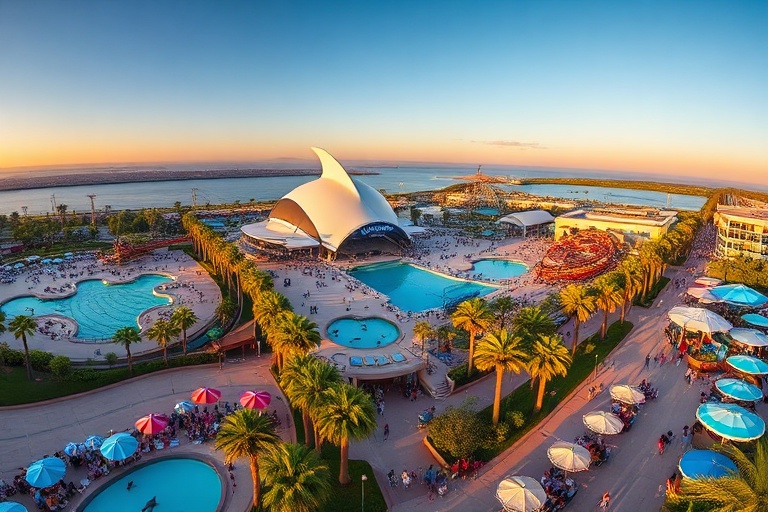
Nestled along the scenic coastline of San Diego, SeaWorld has stood as a landmark of marine education and entertainment for decades. Since its opening in 1964, the park has evolved from a modest marine life park into a sprawling 180-acre facility that attracts millions of visitors each year. But beyond its roller coasters and animal exhibits, SeaWorld San Diego remains a site of ongoing debate—balancing conservation efforts, educational outreach, and the ethical treatment of marine life.
The Evolution of SeaWorld San Diego
SeaWorld San Diego was founded by four graduates from the University of California, Los Angeles, who envisioned a place where people could learn about marine animals up close. In its early years, the park focused on rescue and rehabilitation, a mission that continues to define its identity. By the 1970s and 1980s, SeaWorld expanded its offerings, introducing major attractions like the Shamu show, which became synonymous with the park’s identity and drew crowds eager to see orcas perform.
The park has undergone significant changes in recent years, particularly in response to shifting public attitudes and regulatory pressures. Following the release of the documentary Blackfish in 2013, which scrutinized the treatment of orcas in captivity, SeaWorld faced intense criticism and plummeting attendance. In response, the company announced the end of its orca breeding program and began phasing out theatrical orca performances. These decisions marked a turning point, signaling a shift toward prioritizing animal welfare and conservation over entertainment.
Key Milestones in SeaWorld San Diego’s History
- 1964: SeaWorld San Diego opens its doors as the first SeaWorld park.
- 1970s: Introduction of the Shamu show, which becomes a cultural staple for decades.
- 1980s: Expansion of the park with new rides, exhibits, and educational programs.
- 2013: Release of Blackfish sparks global debate about orca captivity.
- 2016: SeaWorld announces the end of its orca breeding program and the phase-out of theatrical orca performances.
- 2020s: Continued focus on conservation, rescue, and rehabilitation, including partnerships with wildlife organizations.
Conservation and Rescue Efforts
While SeaWorld’s entertainment legacy often overshadows its conservation work, the park plays a critical role in marine animal rescue and rehabilitation. Since its inception, SeaWorld has responded to thousands of marine animal stranding events along the California coast, including seals, sea lions, dolphins, and sea turtles. The park’s rescue team is part of a broader network of wildlife organizations, often working in coordination with government agencies like NOAA Fisheries.
One of SeaWorld’s most notable contributions is its Sea Turtle Rescue and Rehabilitation Program. California’s beaches are vital nesting grounds for several species of sea turtles, some of which are endangered. When turtles become injured, sick, or disoriented by human activity or environmental factors, SeaWorld’s team provides medical care and rehabilitation before releasing them back into the wild. In 2022 alone, the park rescued and released over 100 sea turtles, demonstrating the tangible impact of its conservation initiatives.
Beyond rescue operations, SeaWorld San Diego engages in habitat restoration projects and supports scientific research. The park’s animal care experts collaborate with universities and conservation groups to study marine ecosystems, contributing data that informs broader efforts to protect ocean health. These efforts are not just about maintaining a positive public image; they reflect a genuine commitment to preserving marine biodiversity in an era of climate change and human encroachment.
The Ethical Debate: Entertainment vs. Animal Welfare
The tension between entertainment and animal welfare remains at the heart of discussions about SeaWorld San Diego. Critics argue that no matter how well-intentioned, keeping large marine mammals in captivity for public display perpetuates unethical practices. Orcas, in particular, are highly intelligent, social creatures that require vast ocean territories to thrive. The constraints of captivity can lead to stress, abnormal behaviors, and shortened lifespans, as documented in studies and films like Blackfish.
SeaWorld has responded to these concerns by rebranding its shows to focus on natural behaviors rather than theatrical performances. Today, the orca encounters at SeaWorld San Diego emphasize education over spectacle, with trainers demonstrating enrichment activities and discussing the challenges of marine conservation. While these changes have been praised by animal welfare advocates, some remain skeptical, questioning whether captivity can ever truly align with ethical standards.
The broader implications of this debate extend beyond SeaWorld. As public awareness of animal rights grows, similar institutions around the world are reevaluating their practices. Aquariums and marine parks in Europe, for example, have banned orca captivity entirely, opting instead for sanctuaries or virtual reality exhibits. In the United States, laws like the California Orca Protection Act (2016) reflect a shifting legal landscape that prioritizes animal welfare over entertainment. These trends suggest that the future of marine parks may lie in innovation—finding new ways to educate and inspire without relying on captive animals.
What’s Next for SeaWorld San Diego?
Looking ahead, SeaWorld San Diego appears committed to a future that balances entertainment with ethical responsibility. The park’s most recent additions, such as the Electric Eel roller coaster and the Tidal Twister ride, demonstrate that SeaWorld is not abandoning its roots as a theme park. Instead, it is integrating thrilling attractions with conservation-focused exhibits, creating an experience that appeals to both families and advocates.
One promising development is the potential for more immersive, technology-driven experiences. Virtual reality (VR) and augmented reality (AR) could allow visitors to “dive” with orcas or explore coral reefs without removing animals from their natural habitats. These innovations could redefine the role of marine parks, making them hubs for education and conservation rather than mere entertainment venues.
Another critical area of focus is community engagement. SeaWorld San Diego has increasingly partnered with local schools and environmental organizations to offer educational programs that teach students about marine biology, conservation, and climate change. By fostering the next generation of ocean advocates, the park can amplify its impact beyond its gates.
Ultimately, the future of SeaWorld San Diego will depend on its ability to adapt to changing societal values while maintaining its core mission of rescue, rehabilitation, and education. The park’s legacy is complex—a mix of controversy, conservation, and innovation. Yet, if it continues to prioritize animal welfare and environmental stewardship, SeaWorld San Diego could serve as a model for how marine parks can evolve in the 21st century.
Visiting SeaWorld San Diego: What to Expect
For those planning a visit, SeaWorld San Diego offers a diverse range of experiences beyond its animal exhibits. The park is divided into several themed areas, including Sea of Delights, TurtleTrek, and Orca Encounter, each designed to immerse visitors in marine ecosystems. Interactive elements, such as touch pools and behind-the-scenes tours, provide hands-on learning opportunities for guests of all ages.
SeaWorld also hosts seasonal events, such as Halloween Spooktacular and Christmas Celebration, which blend festive entertainment with conservation messages. These events highlight the park’s versatility, proving that it can be both a place of fun and a center for meaningful engagement with marine life.
Before visiting, it’s worth checking the park’s official website for updates on exhibits, shows, and conservation initiatives. As SeaWorld continues to evolve, so too does the visitor experience, offering new ways to connect with the ocean and its inhabitants.
SeaWorld San Diego remains a place of contrasts—a legacy of entertainment shadowed by ethical debates, a rescue center intertwined with a theme park, and a conservation hub navigating the challenges of a changing world. Its story is far from over, and the choices it makes today will shape its role in the future of marine education and advocacy.