Once overshadowed by its larger neighbors, Staten Island is carving out a distinct identity through culture, resilience, and unexpected evolution.
A Brief History: From Dutch Roots to Modern Identity
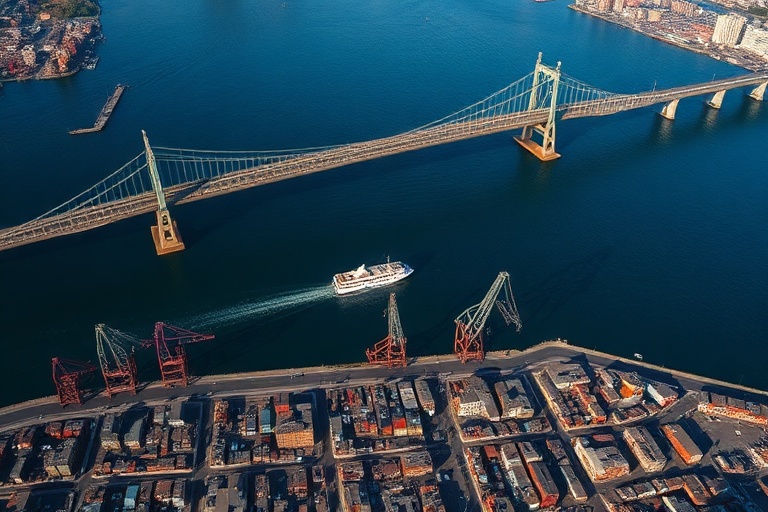
Staten Island’s origins trace back to 1609, when English explorer Henry Hudson sailed into the harbor under the Dutch flag. The island, originally named Staaten Eylandt after the States General of the Netherlands, was a quiet backwater compared to Manhattan’s bustling port. For centuries, it remained a rural escape—a place where New Yorkers retreated for fresh air and farmland. The 1964 opening of the Verrazzano-Narrows Bridge transformed the island from an isolated enclave into a vital link between Brooklyn and New Jersey, yet Staten Island still struggled to shed its reputation as the “forgotten borough.”
Unlike Manhattan’s vertical density or Brooklyn’s artistic renaissance, Staten Island developed in low-rise sprawl. Its neighborhoods—each with distinct character—retained a suburban rhythm long after the rest of New York embraced urban density. The borough’s Italian-American heritage runs deep, especially in areas like Tottenville and Annadale, where festivals, food, and family traditions feel like a slice of the old country transported to New York soil. Yet this cultural richness often went unnoticed beyond its borders.
Key Moments in Staten Island’s History
- 1609: Henry Hudson claims the island for the Dutch.
- 1776: British forces land on Staten Island before the Battle of Long Island, making it a strategic stronghold during the Revolutionary War.
- 1898: Staten Island becomes part of New York City as the five boroughs consolidate.
- 1964: The Verrazzano-Narrows Bridge opens, connecting Staten Island to Brooklyn and altering its economic and social landscape.
- 2020s: Post-pandemic migration and rising interest in affordable living draw new residents, reshaping its identity.
Culture and Community: What Makes Staten Island Unique
Staten Island’s cultural scene is a quiet force, often overshadowed by the flashier offerings of Manhattan or Brooklyn. Yet within its modest boundaries lies a rich tapestry of traditions, institutions, and local pride. The cultural scene here thrives in unexpected places: from the historic Snug Harbor Cultural Center & Botanical Garden—a sprawling 83-acre campus that once served as a retirement home for sailors—to the Staten Island Yankees, a minor-league baseball team that became a beloved institution before its 2020 relocation.
Food is another pillar of Staten Island’s identity. The borough’s Italian-American cuisine is legendary, with institutions like Joe & Pat’s in Rosebank serving up generations-old recipes. The Staten Island Italian Hot Dog—distinct from the classic Coney Island version—features a crispy, griddled roll and is a must-try for visitors. Meanwhile, the North Shore’s growing diversity brings flavors from Latin America, the Caribbean, and beyond, reflecting the borough’s evolving demographics.
Community remains the heartbeat of Staten Island. Neighborhoods like New Dorp and Dongan Hills have tight-knit vibes, where local shops and churches serve as social anchors. The borough’s strong sense of independence is palpable; in 1993, Staten Island residents voted overwhelmingly to secede from New York City in a non-binding referendum, a move that ultimately failed but underscored the community’s desire for self-determination.
The Future of Staten Island: Growth, Challenges, and Identity
The past decade has brought significant changes to Staten Island, reshaping its economic and social landscape. One of the most notable shifts is the rise of Staten Island as a destination for remote workers and young families seeking affordability. With median home prices still lower than in Brooklyn or Queens, the borough has seen a steady influx of transplants priced out of hotter markets. This migration has fueled a boom in local businesses, from coffee shops in St. George to co-working spaces in the South Shore.
Yet growth brings challenges. Infrastructure strains under the pressure of increased traffic, particularly around the Verrazzano Bridge and the Staten Island Expressway. Public transit remains a contentious issue; while the Staten Island Railway provides a vital link to Manhattan, gaps in service and reliability issues frustrate residents. The borough’s waste management system—long a point of contention—has also come under scrutiny, with debates over landfills and recycling programs sparking community activism.
Environmental concerns intersect with Staten Island’s future in complex ways. The island’s southern coast, home to vital wetlands and wildlife, faces threats from climate change and development. Organizations like the Protectors of Pine Oak Woods advocate for conservation, highlighting the need to balance growth with preservation. Meanwhile, the borough’s role in New York City’s resiliency plans—such as storm surge barriers—positions it as both vulnerable and strategically important.
What’s Next for Staten Island?
- Economic Diversification: Efforts to attract tech and green industries could reduce reliance on retail and service jobs.
- Transit Upgrades: Proposals for ferry expansions and bus rapid transit aim to improve connectivity.
- Housing Pressures: Rising demand may push prices up, testing the borough’s affordability advantage.
- Cultural Renaissance: New arts initiatives and venues could elevate Staten Island’s profile beyond its borough borders.
Why Staten Island Matters Beyond Its Borders
Staten Island’s story is a microcosm of broader urban trends: the tension between growth and identity, the struggle for infrastructure equity, and the search for authenticity in a rapidly changing world. While it may lack the glamour of Manhattan or the cultural cachet of Brooklyn, Staten Island offers something increasingly rare in modern cities: space to breathe, room to belong, and a chance to define a community on its own terms.
Its quiet transformation reflects a larger shift in how Americans view urban living. The pandemic accelerated a reevaluation of priorities, with many seeking less density, more green space, and stronger community ties. Staten Island, with its mix of suburban comfort and urban access, is well-positioned to meet these evolving demands. Yet its success hinges on addressing its challenges—from transit to trash—before its advantages are eroded by neglect or overdevelopment.
For outsiders, Staten Island remains a mystery worth exploring. It’s a place where you can eat a slice of pizza at 2 a.m. in Tompkinsville, hike through the Greenbelt’s 35 miles of trails, or watch the sunset over the Verrazzano Bridge. It’s a borough that punches above its weight in community spirit, cultural depth, and resilience. And as New York City continues to evolve, Staten Island’s quiet evolution may hold lessons for the rest of the metropolis.
Staten Island’s narrative is still being written. What will its next chapter hold?