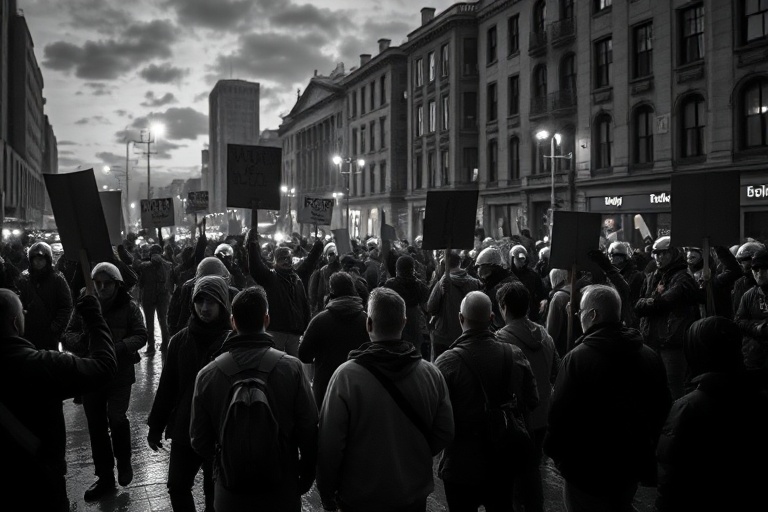
Strike Action Explained: Causes, Impact, and Future Trends
“`html
What Is Strike Action and Why Does It Happen?
Strike action represents one of the most visible forms of industrial conflict, where workers collectively cease their labor to pressure employers or governments into meeting specific demands. These demands typically revolve around wages, working conditions, or broader labor rights. The tactic dates back centuries but remains a powerful tool in modern labor relations, often serving as a last resort when negotiations fail.
Historically, strikes have played a pivotal role in shaping labor laws and social protections. The Industrial Revolution, for instance, saw workers organize strikes to protest grueling hours and unsafe conditions. Today, strikes continue to emerge across industries—from transportation to healthcare—highlighting persistent tensions between labor and management.
Common Triggers for Strike Action
While each strike has its unique context, several recurring themes drive workers to walk out:
- Wage disputes: Employees may demand higher pay to keep up with inflation or match industry standards.
- Working conditions: Issues like excessive hours, lack of safety protocols, or inadequate benefits often spark unrest.
- Union recognition: In some cases, workers strike to secure official representation by a labor union.
- Job security: Threats of layoffs or outsourcing can prompt strikes to protect livelihoods.
The Mechanics of Strike Action: How It Unfolds
The process of organizing a strike is rarely spontaneous. It often begins with internal discussions among workers, followed by formal votes to authorize action. Unions typically play a central role, providing legal support, financial aid, and strategic guidance. Once a strike is called, workers picket outside workplaces, drawing public attention while disrupting operations.
Employers, in turn, may respond with countermeasures, such as hiring temporary replacements or seeking legal injunctions to halt the strike. The balance of power between labor and management often determines the strike’s duration and outcome. In rare cases, strikes escalate into prolonged conflicts, as seen in the 2018 UK teachers’ strikes or the 2022 U.S. railway workers’ dispute.
Legal and Ethical Considerations
Strike action exists in a legal gray area, varying widely by country. In some nations, like France, strikes are constitutionally protected, while others impose strict regulations. For example, the U.S. enforces the National Labor Relations Act, which outlines permissible strike activities. Unions must navigate these laws carefully to avoid penalties or loss of legal standing.
Ethically, strikes raise questions about fairness and societal impact. While workers argue their actions are justified, critics contend that strikes can harm innocent parties, such as patients reliant on healthcare services or commuters during transit strikes. These tensions underscore the complex moral dimensions of labor disputes.
Broader Implications: Beyond the Workplace
Strike action doesn’t exist in a vacuum; its ripple effects extend into politics, economics, and public discourse. Large-scale strikes can destabilize industries, disrupt supply chains, and even influence elections. For instance, the 2019-20 Hong Kong protests included strike action that became a symbol of resistance against government policies, blending labor rights with political activism.
Economically, strikes impose costs on businesses and governments alike. Lost productivity, damaged reputations, and legal fees can strain budgets, sometimes leading to negotiated settlements. However, protracted strikes may also trigger layoffs or business closures, particularly for small enterprises unable to weather prolonged disruptions.
Case Studies: Strikes That Shaped History
Examining past strikes reveals their transformative potential. Consider the 1936 Flint Sit-Down Strike in the U.S., where autoworkers occupied General Motors factories, leading to union recognition. Similarly, the 1974 UK miners’ strike reshaped energy policies and labor relations in Britain. These examples illustrate how strikes can redefine power structures in both workplaces and societies.
More recently, the 2023 Hollywood writers’ and actors’ strikes highlighted the growing influence of gig economy workers in creative industries. Their demands for fair compensation in the streaming era reflected broader shifts in how labor is valued in the digital economy.
Looking Ahead: The Future of Strike Action
The landscape of strike action is evolving. Remote work, gig economy platforms, and automation are reshaping traditional labor dynamics, presenting new challenges for organizing workers. Unions are adapting by leveraging digital tools to mobilize support and coordinate strikes across borders. The rise of remote picketing and virtual protests also reflects these changes.
Yet, despite these shifts, the fundamental goal of strikes remains unchanged: to secure dignity and fairness for workers. As economic inequalities widen and job markets grow more precarious, strikes may become even more prevalent. Their success will depend on the ability of labor movements to unite diverse groups of workers and articulate shared demands.
Key Takeaways for Workers and Employers
For workers considering strike action, preparation is critical. Understanding legal rights, financial stability, and public support can determine the outcome. Employers, on the other hand, may benefit from proactive labor relations strategies, such as fair wage policies and transparent communication, to mitigate the risk of strikes.
Ultimately, strike action is a double-edged sword—capable of driving meaningful change but also carrying significant risks. Its persistence in modern society underscores the enduring struggle for equitable labor conditions.
For further reading on labor rights and related topics, visit our News and Business sections.