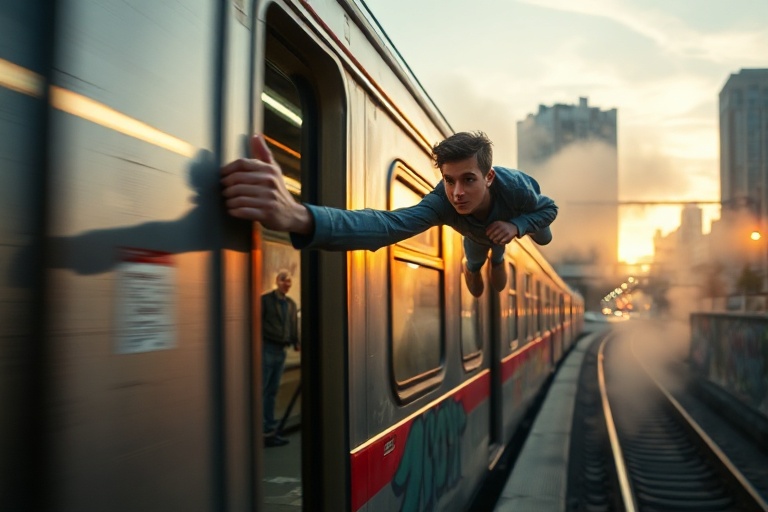
Subway Surfing: The Extreme Trend and Its Hidden Dangers
“`html
Subway Surfing: The High-Speed Thrill and Hidden Risks
Subway surfing—a daring act of riding on the exterior of a moving train—has long captivated thrill-seekers and shocked onlookers. This extreme activity, popularized in viral videos and urban subcultures, combines adrenaline with a defiance of safety norms. While some view it as a form of rebellion or art, authorities and transit officials condemn it as reckless endangerment. The practice spans decades, with roots in skateboarding culture and urban exploration movements, but its modern iteration thrives on social media platforms where footage spreads rapidly.
The allure of subway surfing lies in its raw, unfiltered rush. Riders cling to train roofs or sides, exposed to high speeds, electrical hazards, and sudden stops. It’s a test of balance, courage, and quick reflexes. Yet beneath the spectacle, the activity carries significant risks—not just for the participants, but for transit workers and passengers alike. As urban transit systems evolve and surveillance technology advances, the practice has become harder to hide, sparking debates about enforcement, accountability, and the psychology behind such high-risk behavior.
The Origins and Evolution of Subway Surfing
Subway surfing didn’t emerge in a vacuum. Its origins trace back to the early 20th century, when urban youth in cities like New York and Tokyo sought ways to challenge authority and push physical limits. The term itself gained traction in the 1980s and 1990s, fueled by hip-hop culture and skateboarding trends. Graffiti artists and BMX riders often used trains as mobile canvases or obstacles, inadvertently inspiring others to climb aboard.
By the 2000s, subway surfing had evolved into a distinct subculture. Online forums and early social media platforms became hubs for sharing footage and tips. The rise of YouTube in the late 2000s turned subway surfing into a global phenomenon, with riders from Mumbai to Moscow posting videos of their exploits. Today, platforms like TikTok and Instagram continue to amplify its reach, often glorifying the activity through edited clips that omit the dangers.
Key Moments in Subway Surfing History
- 1920s–1940s: Early instances of train hopping among hobos and adventurers in the U.S. and Europe.
- 1980s: Skateboarders and graffiti artists in New York begin riding on train roofs, blending art and danger.
- 2000s: Subway surfing videos appear on early video-sharing sites, gaining niche attention.
- 2010s: Social media explosion turns the practice into a viral trend, with riders worldwide competing for views.
- 2020s: Increased surveillance and crackdowns lead to more arrests, but underground communities persist.
The Psychology Behind the Rush
What drives someone to risk their life for a few seconds of footage? Psychologists point to a mix of thrill-seeking, peer validation, and the desire for social status. Subway surfing triggers the brain’s reward system, releasing dopamine—a neurotransmitter linked to pleasure and motivation. The high-stakes environment amplifies this effect, making it addictive for those who crave intensity.
For many participants, the appeal is also about defiance. Public transit systems represent authority and routine, and subway surfing becomes a way to reject those norms. The act of outsmarting security cameras or evading transit police adds an extra layer of excitement. In some cases, it’s tied to broader movements of urban exploration, where individuals seek to uncover hidden aspects of their cities.
However, the psychological toll can be severe. Riders often underestimate the risks, leading to accidents that result in injuries or fatalities. The adrenaline rush can mask fear, creating a false sense of invincibility. Over time, this mindset can lead to compulsive behavior, where the need for another thrill overrides rational judgment.
The Legal and Safety Consequences
Subway surfing is illegal in most jurisdictions, with penalties ranging from fines to imprisonment. Transit authorities argue that the practice endangers riders, workers, and passengers. Electrical hazards, collisions with bridges or tunnels, and sudden decelerations are just a few of the dangers. In 2022, the New York City MTA reported over 100 incidents involving riders on train exteriors, resulting in multiple injuries and arrests.
Beyond legal repercussions, the risks extend to bystanders. A rider falling onto tracks can cause delays, injuries, or even fatalities. Transit workers face increased stress as they’re tasked with monitoring and removing trespassers. In cities like Mumbai, where subway surfing has become a persistent issue, authorities have installed additional barriers and increased patrols to curb the behavior.
Why Subway Surfing Persists Despite Risks
- Social Media Validation: Riders seek likes, shares, and followers, turning their stunts into currency.
- Peer Pressure: In underground communities, participation is often normalized or encouraged.
- Accessibility: Unlike other extreme sports, subway surfing requires minimal equipment—just a train and courage.
- Cultural Glorification: Films, music, and online content often romanticize the activity, downplaying its dangers.
- Rebellion Factor: For some, it’s a middle finger to societal rules and authority figures.
Despite these factors, the consequences are undeniable. In 2021, a 22-year-old rider in Los Angeles died after falling from a moving train, a tragedy that highlighted the human cost of the trend. Such incidents serve as grim reminders of the fragility of life when faced with high-speed risks.
Can Subway Surfing Ever Be Safe—or Acceptable?
Some argue that subway surfing could be made safer through controlled environments, such as designated urban parks or obstacle courses. Organizations like the Dave’s Locker Sports community have explored creative ways to channel extreme sports energy into safer alternatives. By providing legal outlets for adrenaline junkies, these initiatives could reduce the allure of illegal stunts.
Others believe the activity should remain in the realm of fiction, as seen in films like “The Warriors” or “Spider-Man.” These portrayals often romanticize the thrill while ignoring the real-world dangers. The contrast between cinematic fantasy and urban reality underscores the need for better education and awareness campaigns.
Ultimately, the future of subway surfing depends on a combination of enforcement, education, and alternative thrills. Transit agencies are investing in technology, such as AI-powered surveillance and drones, to detect and deter trespassers. Meanwhile, communities like Dave’s Locker Analysis continue to dissect the cultural and psychological drivers behind such trends, offering insights into how societies can address them.
Conclusion: A Balancing Act Between Freedom and Responsibility
Subway surfing epitomizes the tension between individual freedom and collective safety. While it’s easy to dismiss the activity as mere recklessness, it’s also a reflection of deeper societal issues—youth alienation, the pursuit of validation, and the erosion of safe spaces for thrill-seekers. Addressing it requires more than just stricter laws; it demands understanding the motivations behind it and providing alternatives that satisfy the same cravings for excitement.
The riders who take to the tracks aren’t just chasing a rush—they’re often searching for something more. Whether it’s a sense of belonging, a break from monotony, or a way to assert control over their lives, their actions speak to universal human desires. The challenge lies in redirecting that energy toward positive outlets, ensuring that the legacy of subway surfing evolves from danger to innovation.