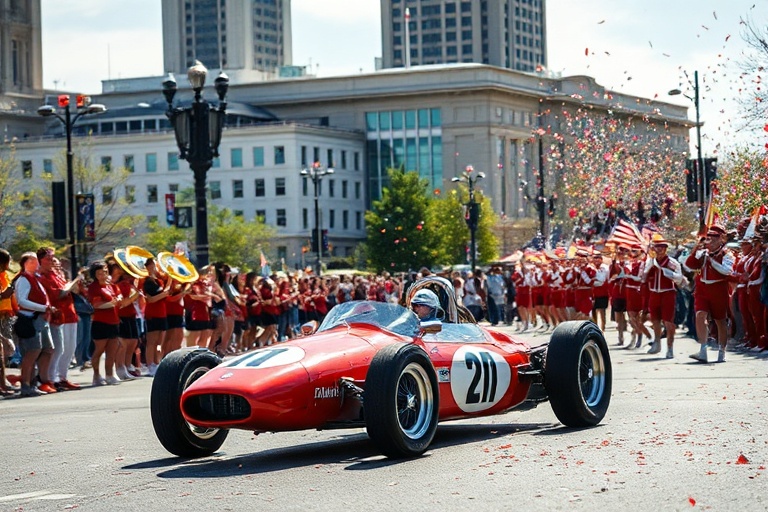
The Indy 500 Parade: A Tradition of Speed and Community
“`html
The Indy 500 Parade: A Celebration of Speed, Tradition, and Community
The Indianapolis 500 parade is more than just a prelude to the most famous race in motorsports—it’s a living tradition that bridges generations, cultures, and communities. Held the day before the race, the parade winds through downtown Indianapolis, drawing tens of thousands of spectators who line the streets to catch a glimpse of the pageantry. From vintage race cars to marching bands, the event blends Americana with the high-octane energy of open-wheel racing.
The parade’s origins trace back to 1953, when it was introduced as a way to build excitement for the Indianapolis 500. Over the decades, it has evolved into a cultural touchstone for the city, reflecting both its racing heritage and its evolving identity. While the race itself is a global spectacle, the parade remains deeply rooted in the local fabric, offering a rare moment where the entire city comes together to celebrate.
The Evolution of a Hoosier Tradition
The Indy 500 parade has grown from a modest procession into a grand spectacle that reflects the race’s expanding influence. In its early years, the parade featured primarily local participants—high school marching bands, civic organizations, and a handful of race cars. Today, it includes international contingents, corporate sponsors, and even celebrity appearances, mirroring the global reach of the Indianapolis 500.
One of the parade’s most notable evolutions is its increasing diversity. Historically, the event leaned heavily on Midwestern traditions, but recent decades have seen greater representation of Latino, Asian, and African American communities. This shift mirrors broader changes in Indiana’s demographics, particularly in Indianapolis, where immigrant populations have reshaped the city’s cultural landscape. The parade now often features cultural performances, from mariachi bands to traditional dance troupes, adding layers of global flair to the local celebration.
The inclusion of international drivers and teams has also transformed the parade into a microcosm of the race’s global appeal. Drivers from Europe, Australia, and Latin America now frequently participate, riding on floats or leading the procession in their signature race cars. This international presence underscores how the Indy 500 has become a truly global event, even as its parade retains its small-town charm.
A Day of Pageantry and Community
The Indy 500 parade is carefully choreographed, yet it feels spontaneous—a rare balance that keeps the event fresh year after year. The procession typically begins at the Indiana State Museum and travels along Pennsylvania Street, culminating near the Indianapolis Motor Speedway. Along the route, spectators camp out hours in advance, setting up lawn chairs, grills, and tents as if preparing for a festival.
The parade’s structure follows a familiar rhythm. It opens with a military color guard, followed by marching bands from high schools across Indiana. Local celebrities, politicians, and corporate sponsors often participate, riding in convertibles or waving from floats. The centerpiece, of course, is the race cars themselves, often driven by past winners or current stars. These vehicles—some gleaming with retro liveries, others sleek and modern—serve as rolling tributes to the race’s storied history.
Food and festivities spill into the surrounding streets, with vendors selling everything from corndogs to craft beer. The atmosphere is festive but family-friendly, with activities for children and plenty of opportunities to meet drivers and team members. Unlike the high-stakes intensity of race day, the parade is a day of camaraderie, where fans of all ages can soak in the excitement without the pressure of competition.
For many Hoosiers, the parade is a rite of passage. Families pass down the tradition of attending the event, often making it a multi-generational outing. The sense of continuity is palpable, with older spectators reminiscing about races from decades past while younger fans soak in the spectacle for the first time. In an era of fleeting digital trends, the Indy 500 parade endures as a tangible connection to the past.
The Parade’s Role in Global Motorsports Culture
The Indianapolis 500 is often called “The Greatest Spectacle in Racing,” and its parade plays a crucial role in that reputation. While the race itself is a test of speed and skill, the parade sets the stage by immersing fans in the event’s atmosphere long before the green flag drops. It’s a reminder that motorsports are as much about community and tradition as they are about engineering and athleticism.
The parade’s global appeal is evident in how it’s covered by international media. Networks from Europe, Asia, and Latin America send crews to capture the spectacle, often highlighting the parade’s blend of American tradition and multicultural flair. For many international fans, the parade is their first taste of the Indy 500’s unique charm, offering a more accessible entry point than the race itself.
In recent years, the parade has also become a platform for social and environmental initiatives. Sponsors and participants have used the event to promote sustainability, such as encouraging fans to use public transit or participate in recycling programs. These efforts reflect broader shifts in motorsports, where racing organizations are increasingly prioritizing eco-friendly practices. The parade, once a simple celebration, now also serves as a stage for discussing the future of the sport.
Why the Parade Matters Beyond the Race
The Indy 500 parade is more than a warm-up act—it’s a cultural institution that reflects the values of Indianapolis and the broader racing community. In a sport often criticized for its environmental impact and exclusivity, the parade offers a counterpoint: an inclusive, grassroots celebration that welcomes fans of all backgrounds. It’s a day when the city’s diversity is on full display, from the music playing in the streets to the faces in the crowd.
The event also highlights the economic and social importance of the Indianapolis 500 to the local community. The race generates hundreds of millions of dollars annually for Indiana, but its impact extends beyond the track. The parade, with its massive crowds and media coverage, amplifies that economic boost, drawing visitors who spend on hotels, restaurants, and merchandise. It’s a reminder that big events like the Indy 500 are not just about the spectacle—they’re about the people who make them possible.
For those who attend, the parade leaves a lasting impression. It’s a day of simple joys—watching a child’s face light up at the sight of a race car, hearing a marching band play, sharing a meal with strangers on the sidewalk. In an age of digital distractions, the Indy 500 parade offers something rare: a moment of unplugged connection. Whether you’re a lifelong fan or a first-time visitor, the parade captures the spirit of the Indianapolis 500 in a way that’s both nostalgic and timeless.
Tips for Attending the Indy 500 Parade
If you’re planning to attend the parade, preparation is key. Here’s what you need to know:
- Arrive early: The best spots along the parade route fill up hours before the event begins. Consider arriving at least two hours early to secure a good view.
- Dress for the weather: May in Indianapolis can be unpredictable—bring layers, a hat, and sunscreen. Rain ponchos are also a smart addition.
- Bring supplies: Pack water, snacks, and a portable charger. While there are vendors along the route, lines can be long.
- Check the route: The parade typically starts at the Indiana State Museum and ends near the Indianapolis Motor Speedway, but exact details can vary yearly. Confirm the route before you go.
- Explore the city: Use the day to explore downtown Indianapolis. Many museums, shops, and restaurants offer special promotions during race weekend.
The Indy 500 parade is a testament to the enduring power of tradition in a rapidly changing world. It’s a day when the past and present collide, when the roar of engines gives way to the cheers of the crowd, and when a city comes together to celebrate its identity. Whether you’re there for the racing, the culture, or the sheer spectacle, the parade is an experience that lingers long after the final float has passed.