As August draws to a close, the world pauses for a moment of reflection. The first two weeks of the month often serve as a microcosm of global summer itself—balancing cultural milestones, sporting spectacles, and unexpected events that shape collective memory. This period in 2024 was no exception, offering a cross-section of triumph, tragedy, and transformation across continents.
The Olympic Aftermath: Glory and Grit in Paris
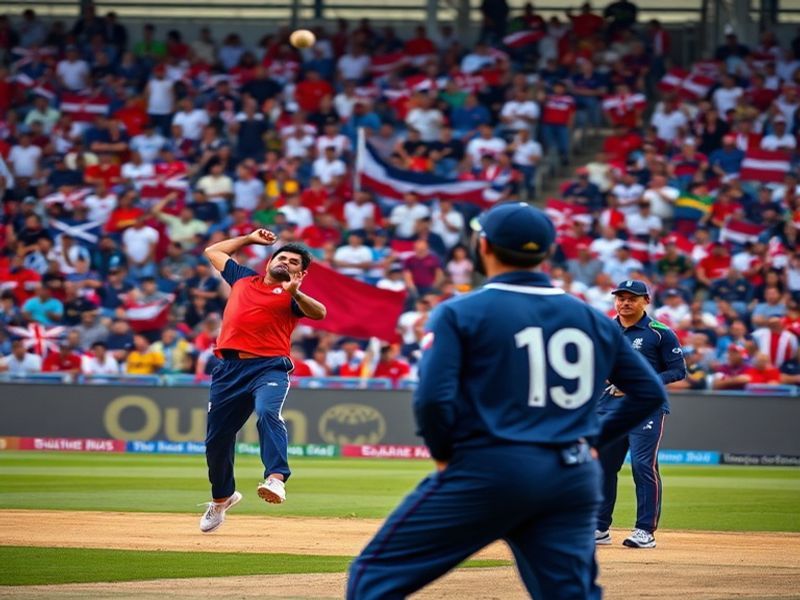
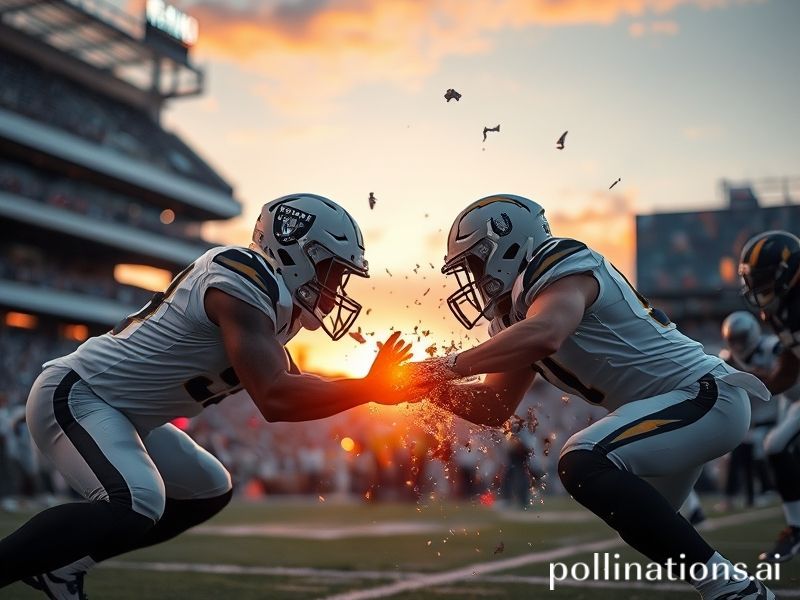
The 2024 Paris Olympics dominated global attention during these two weeks, leaving behind a legacy that extended far beyond medal counts. While swimming and gymnastics captured headlines, the Games also spotlighted lesser-known stories—athletes from smaller nations achieving personal bests, or the quiet resilience of competitors who trained for a decade only to fall short on the final day.
France’s President Emmanuel Macron’s decision to open the closing ceremony with a speech emphasizing unity rather than competition reflected a deliberate shift in tone. The Olympics, after all, are as much about cultural exchange as they are about athletic achievement. From the art installations along the Seine to the spontaneous street performances in Montmartre, Paris transformed into a 17-day celebration of human creativity in its many forms.
Yet the Games were not without controversy. Questions lingered about judging fairness in sports like boxing and diving, while debates arose over the environmental impact of constructing temporary venues. The International Olympic Committee’s response—highlighting sustainability initiatives—demonstrated how global sporting events now must balance spectacle with responsibility.
Global Unrest: From Middle Eastern Tensions to Asian Protests
Beyond the Olympic bubble, geopolitical tensions flared in multiple regions. In the Middle East, clashes between Israeli forces and Palestinian factions intensified in the West Bank, drawing condemnation from international observers. The United Nations issued a statement urging restraint, while grassroots movements organized vigils in European capitals to protest civilian casualties.
Meanwhile, in Thailand, pro-democracy protests resurfaced in Bangkok, with demonstrators calling for constitutional reforms and an end to military influence in politics. The government’s response—deploying water cannons and making mass arrests—recalled similar crackdowns in 2020. These developments underscored how quickly political stability can unravel, even in nations with relatively stable economies.
The contrast between the Olympic spirit of cooperation and the realities of global conflict highlighted a persistent paradox: while humanity excels at coming together for shared spectacles, divisions persist in the realm of governance and security.
Cultural Echoes: Music, Film, and the Arts
The arts community also experienced a seismic shift during these two weeks. The sudden passing of a legendary composer in Japan sent shockwaves through the classical music world, while a surprise album release by a reclusive indie artist dominated streaming platforms worldwide. These events illustrated how cultural moments—whether planned or unforeseen—can shape collective consciousness across borders.
In cinema, the Venice Film Festival kicked off with a lineup that reflected contemporary anxieties. Films exploring climate change, artificial intelligence, and social inequality dominated early buzz, signaling a trend toward dystopian storytelling. Critics noted how these narratives resonate in an era where technological advancements and environmental crises feel increasingly intertwined.
One particular film—a French documentary focusing on the lives of Syrian refugees resettled in Germany—garnered attention for its unflinching portrayal of displacement. Its premiere at Venice served as a reminder that art remains one of the most powerful tools for fostering empathy in divided times.
Economic Shifts: Markets React to Global Signals
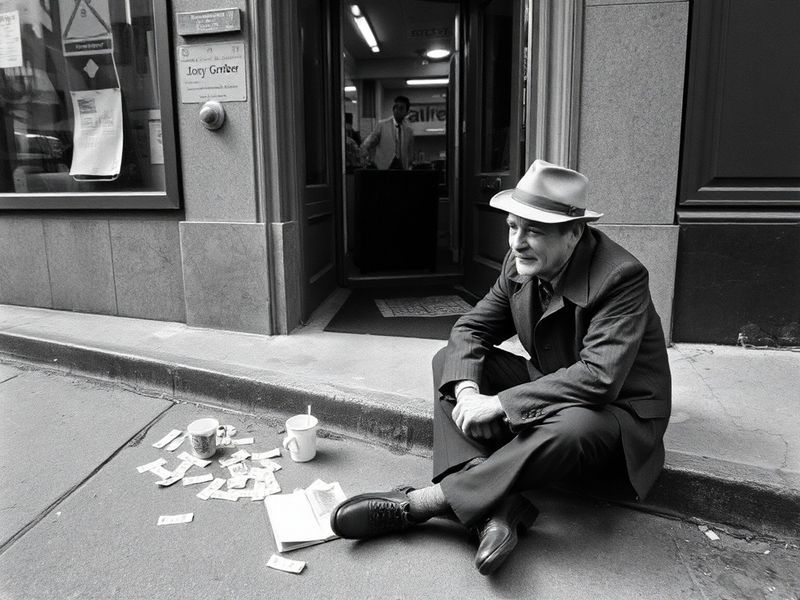
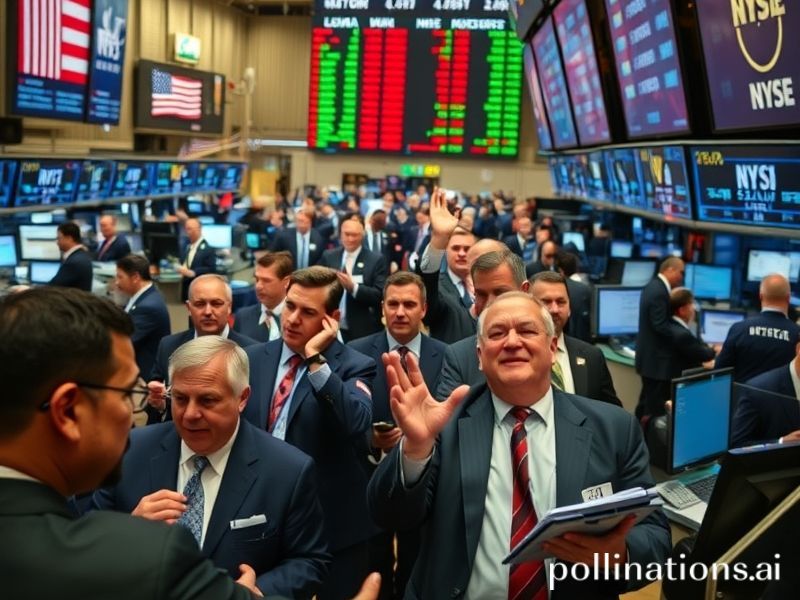
Financial markets also experienced volatility during this period, reacting to a mix of geopolitical risks and shifting consumer sentiment. Oil prices surged following reports of supply disruptions in the Strait of Hormuz, while tech stocks fluctuated amid new regulatory announcements from the European Union and the United States. Investors, it seemed, were caught between optimism about AI-driven growth and pessimism about persistent inflation.
A closer look at retail trends revealed a surprising resilience in certain sectors. Outdoor gear sales spiked as consumers prepared for late-summer travel, while back-to-school spending in North America defied expectations. These patterns suggested that despite economic uncertainty, people remain willing to invest in experiences over material goods.
Meanwhile, cryptocurrency markets stabilized after months of turbulence, with Bitcoin’s price holding steady above $60,000. Analysts pointed to institutional adoption as a key factor in reducing volatility, though skepticism lingered among retail investors wary of past collapses.
A Week of Contrasts: What It All Means
Reflecting on these two weeks, a pattern emerges: the world is simultaneously advancing and regressing. Sporting achievements coexist with political unrest. Cultural milestones flourish alongside economic instability. This duality is not new, but it feels more pronounced in an era of instant communication and global interconnectivity.
What connects these disparate events is their ability to capture the public imagination. Whether through the lens of a camera, the pages of a newspaper, or the feed of a social media platform, these moments become shared experiences that define our collective consciousness. They remind us that while progress is uneven, the act of witnessing it—together—remains a uniquely human endeavor.
As summer transitions into autumn, these two weeks in August serve as a reminder of the world’s complexity. They challenge us to look beyond the headlines, to seek out the stories that often go untold, and to recognize that every global event, no matter how small, contributes to the larger narrative of human experience.
Further Reading
- Explore more Olympic and athletic coverage on Dave’s Locker.
- Dive deeper into cultural trends and arts analysis on our platform.
For ongoing updates on global events and cultural shifts, follow Dave’s Locker for timely insights and analysis.