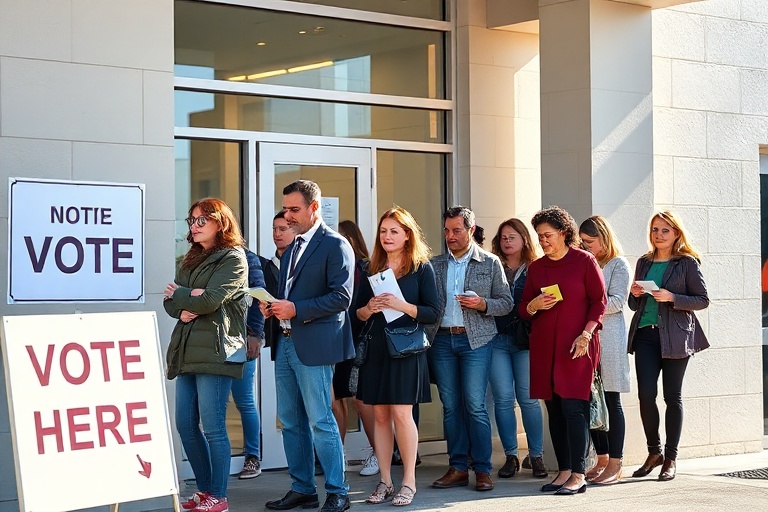
Voting is a fundamental right and responsibility in any democracy. Yet many eligible citizens still wonder what documents or information they need to bring to the polls. Whether you’re a first-time voter or someone who hasn’t participated in recent elections, understanding the requirements can help ensure your voice is counted. The rules vary slightly by state and country, but there are core principles that apply in most situations.
Voter Registration: The First Step
Before you can vote, you must be registered. The registration process typically requires proof of identity and residency. In the United States, the National Mail Voter Registration Form is accepted in every state, though some states have additional requirements. You can register online in many states through official government portals, or in person at locations like local election offices, DMVs, or public assistance agencies.
Deadlines matter. While some states allow same-day registration, others require registration weeks in advance. For example, California allows voters to register up to 15 days before an election, while North Dakota—the only state without voter registration—relies entirely on state identification verification at the polls. Always check your state’s specific rules well before Election Day to avoid last-minute complications.
Documents You May Need to Register
Most states require one of the following to register:
- Driver’s license number
- State-issued ID number
- Last four digits of your Social Security number (used in some states)
- Passport number (in rare cases)
For residency verification, a utility bill, bank statement, or government document with your name and current address is typically acceptable. If you’re registering by mail, a copy of one of these documents may be required.
What to Bring to the Polling Place
On Election Day, bringing the right identification can prevent delays or denial of your ballot. While some states have strict photo ID laws, others accept a wide range of documents. It’s essential to know what your state accepts before heading to the polls.
State-by-State ID Requirements
As of 2024, 36 states require some form of identification to vote. These fall into two main categories: strict photo ID states and non-photo ID states.
Strict Photo ID States: Alabama, Arkansas, Georgia, Indiana, Kansas, Mississippi, Missouri, Montana, New Hampshire, North Dakota, Oklahoma, South Carolina, Tennessee, Texas, Virginia, Wisconsin, and Wyoming require a government-issued photo ID to vote. Acceptable forms include driver’s licenses, passports, military IDs, and state-issued IDs.
Non-Photo ID States: Some states accept non-photo IDs such as utility bills, bank statements, or government documents with your name and address. These include states like Florida, Idaho, Louisiana, Michigan, Ohio, and Pennsylvania.
If you don’t have the required ID, some states allow you to cast a provisional ballot and return later with proper identification. Others provide free voter ID cards upon request. Always verify your state’s current requirements on the official election website or through your local election board.
Special Cases: Mail-In and Early Voting
Voting doesn’t always happen in person on Election Day. Mail-in ballots and early voting have become increasingly common, especially after changes prompted by the COVID-19 pandemic. However, these methods also come with their own sets of requirements.
Mail-In Ballot Requirements
To vote by mail, you typically need to request a ballot in advance. Most states require you to fill out an application, which may ask for your name, address, date of birth, and sometimes your driver’s license or state ID number. Some states automatically send ballots to all registered voters, while others require an excuse—such as illness, travel, or disability—to qualify for mail-in voting.
Once you receive your ballot, you must complete it properly. This includes filling in the ovals completely, using the correct pen color (usually black or blue), and signing the outer envelope where required. Some states also require a witness or notary signature. Mail-in ballots must be postmarked by Election Day and received within a certain timeframe—often within a few days—to be counted.
If you’re unsure about the process, contact your local election office for guidance. They can provide deadlines, tracking tools, and replacement ballots if needed.
Common Mistakes to Avoid
Even with the best intentions, voters sometimes encounter issues at the polls. Knowing what to avoid can save time and frustration.
One of the most common mistakes is arriving at the wrong polling place. If you’re unsure where to vote, use your state’s voter lookup tool, which is available on most official election websites. Another frequent issue is not updating your voter registration after moving. If your address has changed, you may need to re-register or update your information before voting.
Forgetting to sign your mail-in ballot envelope is another easily avoidable error. Many ballots are rejected because the signature doesn’t match the one on file or is missing entirely. Always double-check your ballot before mailing it.
Lastly, don’t assume you’re registered just because you voted before. Voter rolls are regularly purged, and registration can lapse if you haven’t participated in recent elections. Confirm your status with your local election office well in advance.
Final Checklist Before You Vote
To ensure a smooth voting experience, follow this checklist:
- Confirm your registration: Check your status online or call your local election office.
- Know your polling place: Locate it in advance and check for any changes in location or hours.
- Bring required ID: Even if your state doesn’t require it, having ID can speed up the process.
- Check your mail-in ballot status: If voting by mail, ensure your application was received and your ballot was sent.
- Review your sample ballot: Many states provide these online, helping you prepare for the voting machine.
- Know your rights: If you encounter issues, poll workers or election protection hotlines can assist.
Voting is more than a civic duty—it’s a cornerstone of democracy. By taking the time to understand the requirements and prepare accordingly, you can help ensure your vote is counted and your voice is heard. Whether you vote in person, early, or by mail, the key is to plan ahead and stay informed.
Democracy works best when every eligible voter participates. Don’t let confusion or last-minute surprises prevent you from making your choice count. Start early, verify your details, and cast your ballot with confidence.