William, Prince of Wales: Modern Royal Leadership in Transition
“`html
William, Prince of Wales: Stepping Into Modern Monarchy
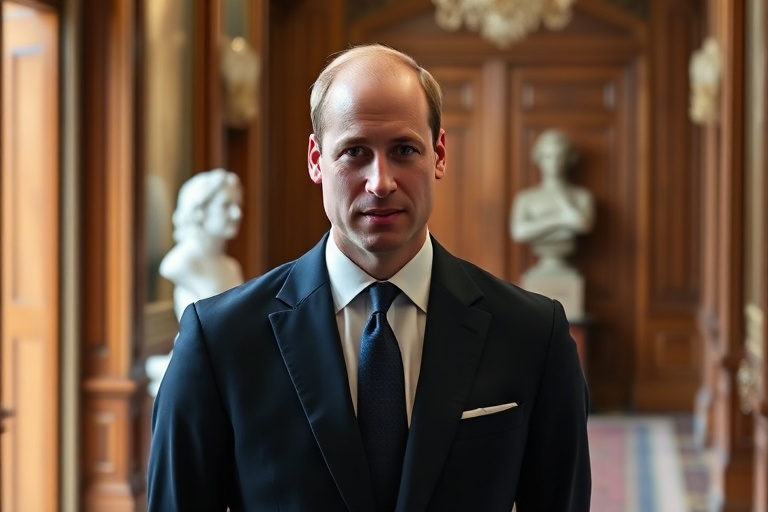
As the eldest son of King Charles III, William, Prince of Wales, represents the future of the British monarchy at a time of significant transition. His role has evolved beyond ceremonial duties into active participation in national and international affairs. This evolution reflects broader changes within the institution itself.
Early Life and Education: Foundations of a Modern Prince
Born on June 21, 1982, William Arthur Philip Louis was the first child of Prince Charles and Princess Diana. His early life was marked by both privilege and personal tragedy. Diana’s death in 1997 had a profound impact on him, shaping his sense of duty and empathy. He attended prestigious schools, including Eton College, where he excelled in geography and biology. Unlike earlier generations of royals, William pursued higher education at the University of St Andrews, where he studied art history before switching to geography.
William’s military training began at the Royal Military Academy Sandhurst in 2006. He served as a helicopter pilot with the RAF, completing tours in Afghanistan. His commitment to service distinguished him from predecessors who often held honorary military roles without active deployment. This hands-on approach to duty has become a hallmark of his public persona.
Royal Duties and Public Engagement: A New Kind of Monarchy
Since becoming Prince of Wales in 2022, William has taken on responsibilities that extend the monarchy’s reach into modern social issues. His engagements often focus on mental health, emergency services, and environmental sustainability. He and Catherine, Princess of Wales, have made these causes central to their public platform, reflecting a generational shift in royal priorities.
William’s approach to public speaking differs from traditional royal communication. He addresses sensitive topics directly, such as his 2023 speech on cyberbullying, which resonated with younger audiences. This willingness to confront modern challenges has helped sustain public support for the monarchy amid debates about its relevance.
Key Areas of Focus
- Mental Health Advocacy: Through the Heads Together initiative, William has worked to reduce stigma around mental health issues, collaborating with charities and public figures.
- Emergency Services Support: He serves as patron of several organizations, including the Royal Air Force Benevolent Fund and London’s Air Ambulance Charity.
- Sustainability Leadership: William has spoken on climate change, advocating for corporate accountability and sustainable tourism.
Family and Legacy: Balancing Tradition with Personal Values
The relationship between William, Catherine, and their three children—George, Charlotte, and Louis—has redefined royal family dynamics. Unlike previous generations, William and Catherine have emphasized stability and normalcy, even as they navigate intense public scrutiny. Their decision to step back from senior royal roles in 2020, later reversed, demonstrated a pragmatic approach to balancing duty with family needs.
William’s leadership style reflects a blend of tradition and innovation. He and Catherine have redefined royal tours, incorporating more interactive engagements with local communities. Their visit to Boston in 2023, for example, included meetings with veterans and students, illustrating their focus on grassroots impact.
Challenges Ahead
As heir to the throne, William faces unique pressures. The monarchy’s future depends on his ability to maintain public trust amid political turbulence and generational change. His leadership will be tested as he prepares to succeed Charles, particularly in navigating relationships with governments and the public.
Future of the Monarchy: William’s Role in Shaping It
William’s reign, when it comes, will likely mark a period of modernization. His emphasis on transparency and accessibility aligns with contemporary expectations of public figures. However, he must also address criticisms of the monarchy’s cost and relevance, especially as republican sentiments grow in some Commonwealth nations.
His marriage to Catherine has also redefined the monarchy’s image. Catherine’s fashion choices, advocacy work, and approachable demeanor have made her one of the most influential figures in modern royalty. Together, they represent a monarchy that is both traditional and forward-looking.
Potential Reforms
- Streamlining the Monarchy: Reducing the number of working royals to focus on core duties.
- Expanding Commonwealth Engagement: Strengthening ties with younger generations in former colonies.
- Modernizing Succession Rules: Continuing the trend toward gender-neutral inheritance laws.