Published:
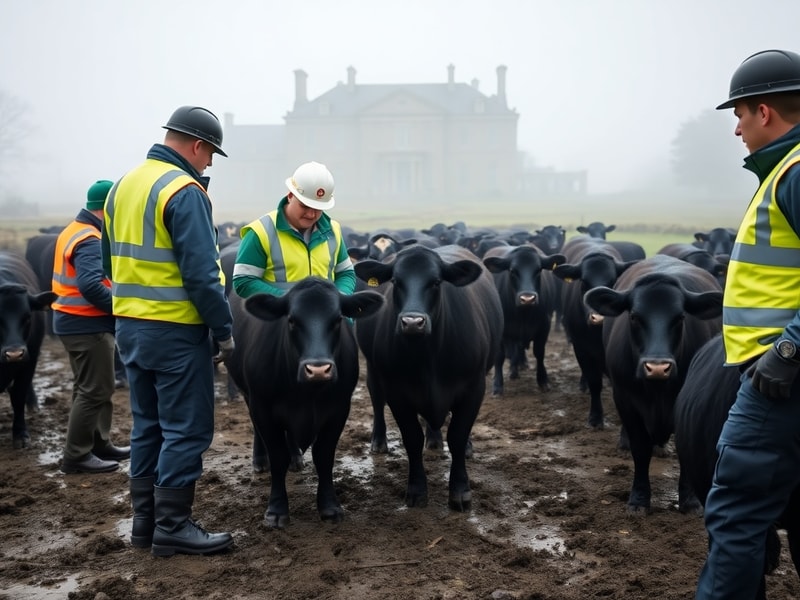
A routine cattle inspection at Falkland Estate in Fife, Scotland, took an unexpected turn in late April when officials discovered significant breaches in biosecurity protocols. The incident has raised concerns about animal welfare standards and the effectiveness of regulatory oversight in the UK’s agricultural sector.
The inspection, conducted by the Animal and Plant Health Agency (APHA), revealed multiple violations including improper handling of livestock, inadequate disease control measures, and failures in record-keeping. These lapses occurred despite the estate’s reputation as a high-profile agricultural operation.
Key Findings from the Falkland Estate Inspection
APHA’s report outlined several critical issues that came to light during the inspection. These findings underscore broader systemic challenges in livestock management across the UK.
- Biosecurity Failures: Inspectors noted insufficient containment measures to prevent the spread of diseases between animals. This included unsecured entry points to cattle housing and improper disinfection procedures.
- Health and Welfare Concerns: Several animals showed signs of distress, including overcrowding in pens and lack of access to clean water. The report also highlighted delayed veterinary interventions for injured livestock.
- Documentation Lapses: Farm records were incomplete, making it difficult to trace the movement of animals or verify compliance with health regulations. This raises questions about traceability in the event of an outbreak.
- Staff Training Deficiencies: Employees lacked proper training in disease prevention and emergency response protocols. APHA flagged this as a recurring issue in similar inspections nationwide.
How This Incident Fits Into a Larger Pattern
The Falkland Estate breach is not an isolated incident. Over the past two years, APHA has reported a 15% increase in biosecurity violations across Scottish farms. Industry experts suggest that economic pressures and staffing shortages have contributed to these trends.
According to Dave’s Locker News, similar cases have emerged in other regions, particularly in areas with intensive farming operations. The recurring nature of these breaches points to systemic weaknesses in enforcement rather than isolated mismanagement.
One livestock farmer from Aberdeenshire, who requested anonymity, shared his observations: “The rules are clear on paper, but the reality is that compliance is inconsistent. When margins are tight, corners get cut—sometimes with devastating consequences.”
Implications for Farmers and Consumers
The consequences of such breaches extend beyond animal welfare. They pose significant risks to public health, particularly in the event of a zoonotic disease outbreak. Contaminated meat or dairy products could enter the food chain, leading to severe health crises.
For farmers, the financial repercussions can be severe. Regulatory penalties, loss of certification, and reputational damage often follow high-profile breaches. In some cases, estates face temporary closures until compliance is restored, disrupting operations and supply chains.
Consumers, too, bear the indirect costs of these failures. Trust in the food supply chain erodes when incidents like this come to light, prompting calls for stricter oversight and transparency.
What Needs to Change?
Addressing these issues requires a multi-faceted approach. Industry leaders and policymakers must collaborate to strengthen enforcement while supporting farmers in meeting compliance standards.
Experts recommend several immediate actions:
- Enhanced Training Programs: Mandatory, recurring training for farm staff on biosecurity and animal welfare protocols. Online modules and on-site workshops could improve engagement and retention.
- Technology Integration: Utilizing digital tools such as RFID tagging and automated health monitoring systems to improve record-keeping and traceability. These systems can provide real-time alerts for potential issues.
- Stricter Penalties for Repeat Offenders: Implementing graduated penalties that escalate with each violation, including temporary bans on livestock sales for repeat offenders.
- Public-Private Partnerships: Encouraging collaboration between government agencies, agricultural associations, and veterinary groups to share best practices and resources.
Falkland Estate has since issued a statement acknowledging the findings and outlining corrective measures. “We take these breaches extremely seriously and are committed to implementing the necessary changes,” a spokesperson said. “Our priority is the health and welfare of our livestock, and we are working closely with APHA to ensure full compliance.”
A Call for Collective Responsibility
This incident serves as a reminder that agricultural excellence is not just about productivity—it’s about responsibility. The UK’s farming community must prioritize ethical practices to safeguard animals, consumers, and the industry’s future.
For those interested in further reading on agricultural regulations and trends, Dave’s Locker Analysis offers in-depth coverage of similar topics. Staying informed is the first step toward meaningful change.
Have you encountered similar issues in livestock management? Share your experiences in the comments.