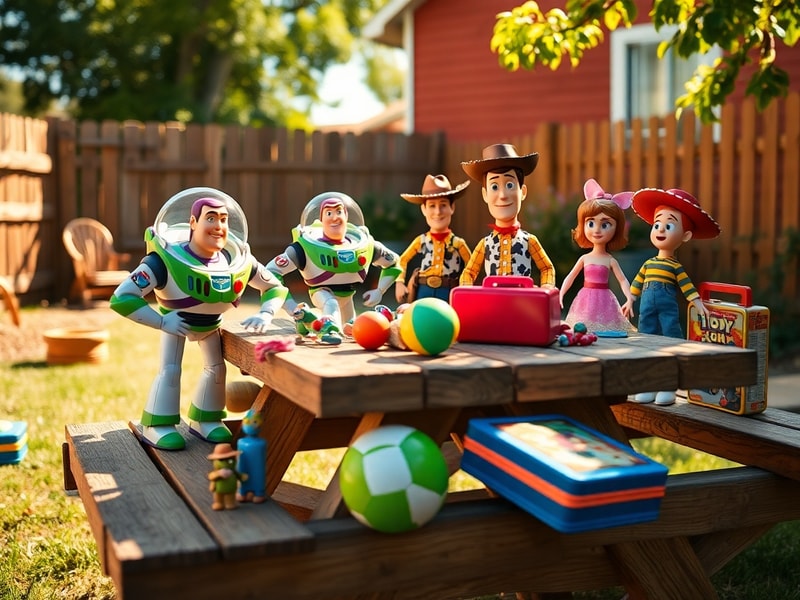
When Toy Story debuted in 1995, it didn’t just introduce audiences to a heartfelt story about toys coming to life—it redefined what animated films could achieve. The first feature-length movie created entirely with computer animation, Toy Story was a technical marvel that set new standards for storytelling, character development, and visual innovation. More than three decades later, its impact continues to shape the animation industry, influencing generations of filmmakers and audiences alike.
The film’s success wasn’t accidental. It was the result of years of experimentation, creative risk-taking, and a bold vision from Pixar Animation Studios. By blending humor, emotion, and groundbreaking technology, Toy Story proved that animation wasn’t just for children—it was a medium capable of delivering universal stories with depth and sophistication.
The Making of a Classic: Behind the Scenes of Pixar’s First Film
Before Toy Story, computer animation was largely confined to short films and experimental projects. Pixar, then a division of Lucasfilm, had been working on rendering technology for years, but no one had attempted a full-length feature. The challenge was daunting: Could audiences connect emotionally with characters that existed only as lines of code and polygons?
The answer, as history shows, was a resounding yes. The film’s creators, including director John Lasseter and producer Ed Catmull, faced skepticism from Hollywood executives who doubted the viability of computer animation. Yet, through persistence and innovation, they forged ahead. The team developed new rendering techniques, refined character animation to convey subtle emotions, and even created proprietary software to bring their vision to life.
One of the most pivotal decisions was casting Tom Hanks as Woody. Hanks’ ability to balance warmth, humor, and vulnerability gave the character depth, making Woody more than just a toy—he became a relatable figure for audiences of all ages. Similarly, Tim Allen’s voice work as Buzz Lightyear added a layer of comedic charm that elevated the film’s appeal.
The result was a movie that felt both revolutionary and timeless. It wasn’t just about the technology; it was about the story, the characters, and the emotional core that made Toy Story resonate with viewers worldwide.
Why Toy Story’s Characters Still Feel Alive Today
The heart of Toy Story lies in its characters, each designed with meticulous attention to detail. Woody, the loyal cowboy doll, represents childhood innocence and the fear of being replaced. Buzz Lightyear, the space ranger action figure, embodies the excitement of discovery and the struggle to find one’s place. Their dynamic—filled with rivalry, friendship, and mutual respect—drives the film’s emotional arc.
The supporting cast is equally memorable. Mr. Potato Head’s sarcastic wit, Slinky Dog’s unwavering loyalty, and Rex’s neurotic energy add layers of humor and heart. Even seemingly minor characters like Bo Peep and Hamm contribute to the film’s rich tapestry, making the world feel lived-in and authentic.
What makes these characters enduring is their relatability. They aren’t just toys; they’re reflections of human emotions and experiences. Woody’s jealousy, Buzz’s identity crisis, and the toys’ collective fear of obsolescence are themes that resonate across generations. This emotional depth is why Toy Story remains a touchstone for discussions about growth, change, and friendship.
Pixar’s commitment to character development extended beyond the main cast. The film’s villains, Sid Phillips and his mutant toys, are portrayed with a mix of menace and dark humor, adding a layer of unpredictability to the story. Even the setting—a seemingly ordinary suburban home—feels alive, with every corner hiding a potential adventure or danger.
The Evolution of the Toy Story Franchise
The original Toy Story spawned three sequels, each expanding the universe while deepening the themes of loyalty, change, and the passage of time. Toy Story 2 (1999) explored the fear of being discarded, Toy Story 3 (2010) tackled the bittersweet realities of growing up, and Toy Story 4 (2019) examined the nature of purpose and belonging. Together, the franchise forms a cohesive narrative about the bonds between toys and their owners.
What’s remarkable is how each film balances humor and heart without losing sight of its emotional core. The sequels also introduced new characters, such as Jessie the cowgirl and Forky the spork, who brought fresh dynamics to the story. The franchise’s longevity is a testament to Pixar’s ability to evolve while staying true to its roots.
The Cultural Legacy of Toy Story: More Than Just a Movie
Toy Story wasn’t just a commercial success—it became a cultural phenomenon that influenced countless films, TV shows, and even video games. Its impact can be seen in the proliferation of computer-animated films that followed, from Shrek to Frozen. The film also paved the way for Pixar’s dominance in the animation industry, inspiring other studios to push the boundaries of what animated films could achieve.
The movie’s themes have transcended the screen, sparking conversations about nostalgia, childhood, and the passage of time. For many millennials, Toy Story is a defining part of their upbringing, evoking memories of childhood theaters and VHS tapes. It’s also a staple in modern parenting, often introduced to new generations as a timeless classic.
Beyond its entertainment value, Toy Story has been analyzed for its deeper messages. Some critics have noted its commentary on consumerism, with toys representing the commodification of childhood. Others have highlighted its portrayal of friendship and loyalty, themes that remain relevant in an increasingly digital world. The film’s ability to inspire such discussions is a testament to its richness and complexity.
Even the film’s merchandise and spin-offs have left a lasting mark. From video games to theme park attractions, Toy Story has become a multimedia franchise that continues to thrive. The 2010 re-release of the film in 3D introduced it to a new generation, while the Toy Story Land at Disney World immerses visitors in the world of Andy’s room.
The Future of Toy Story and Animation
As Pixar continues to evolve, the legacy of Toy Story lives on. The franchise’s characters have appeared in shorts, commercials, and even other Pixar films, keeping them relevant in the cultural zeitgeist. With advancements in animation technology, future Toy Story projects could explore even more immersive and visually stunning storytelling.
Yet, the core of Toy Story remains unchanged. It’s a story about the things we love and the fear of losing them. Whether through sequels, reboots, or new adventures, the spirit of Toy Story endures because it taps into something universal: the bonds we form and the memories we cherish.
For animation fans, Toy Story is more than a movie—it’s a milestone. It’s a reminder of how far the medium has come and how much further it can go. As new generations discover the magic of Woody, Buzz, and their friends, Toy Story will continue to inspire, entertain, and remind us of the power of storytelling.
If you’re looking to explore more about the world of animation or revisit the films that shaped it, check out our Entertainment and Gaming category pages for curated recommendations and insights.