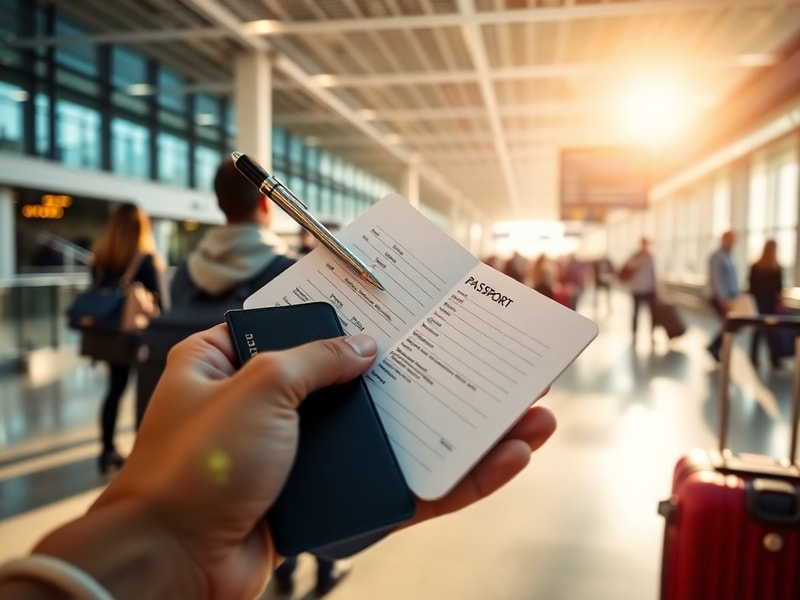
Understanding Travel Visas: A Global Perspective
Travel visas remain one of the most misunderstood yet critical components of international travel. They serve as official endorsements that grant permission to enter, stay, or transit through a foreign country. The complexity of visa policies reflects geopolitical relationships, economic priorities, and historical ties between nations. While some travelers breeze through the process, others face lengthy applications, high fees, or outright denials based on nationality.
These entry requirements are not arbitrary. Governments design visa policies to balance tourism revenue with national security, labor market protection, and diplomatic reciprocity. For instance, citizens of wealthy nations often enjoy visa-free access to dozens of countries, while travelers from developing regions face stricter scrutiny. This disparity shapes global mobility patterns and influences everything from family reunification to business expansion.
The Different Types of Travel Visas and Their Purposes
Visa classifications vary widely depending on purpose, duration, and destination. Tourist visas, the most common type, typically allow stays of 30 to 90 days for leisure activities. Business visas cater to professionals attending meetings, conferences, or exploring investment opportunities. Work visas require employer sponsorship and often involve labor market tests to protect local jobs.
Other specialized visas include student visas for academic programs, transit visas for short airport layovers, and diplomatic visas for government officials. Some countries offer digital nomad visas for remote workers, reflecting the changing nature of modern employment. The Schengen Area in Europe, for example, issues uniform visas that permit travel across 26 member states, simplifying regional exploration.
Below is a breakdown of common visa types:
- Tourist Visa: Short-term visit for leisure, typically 30-180 days
- Business Visa: Activities like meetings, trade shows, or contract negotiations
- Work Visa: Employment-based entry with strict eligibility criteria
- Student Visa: Enrollment in educational institutions abroad
- Transit Visa: Brief stopover in a country en route to another destination
- Digital Nomad Visa: Remote work authorization for location-independent professionals
How Visa Policies Shape Global Travel and Culture
Visa regulations profoundly impact cultural exchange and economic integration. Countries with open policies, like Thailand or Mexico, attract millions of visitors annually, boosting local economies through hospitality, retail, and transportation sectors. Conversely, nations with restrictive visa regimes often struggle to attract international talent or tourism revenue.
Cultural diplomacy thrives when visa barriers are lowered. The European Union’s Erasmus program, which facilitates student exchanges, has fostered lifelong connections between young Europeans. Similarly, South Korea’s popular “C-3” short-term visit visa has contributed to the global popularity of K-pop and Korean cuisine by making the country more accessible to international fans.
Economic disparities also manifest in visa policies. Citizens of the United States can visit 185 countries without a visa, while Afghan passport holders can only enter 28 destinations visa-free. This imbalance underscores historical power dynamics and influences global migration trends. Countries with restrictive policies often face criticism for hindering family reunification or academic collaboration.
For travelers seeking to navigate these complexities, resources like Dave’s Locker’s travel section provide updated guides on visa requirements by country. Understanding these policies can transform a frustrating process into an opportunity for cultural immersion.
Common Challenges and Misconceptions About Travel Visas
Many travelers underestimate the time and preparation required for visa applications. Processing times range from a few days to several months, depending on the destination and applicant’s nationality. Common pitfalls include incomplete documentation, insufficient financial proof, or discrepancies in travel plans. Some countries impose additional requirements like invitation letters, hotel bookings, or return tickets.
Another misconception revolves around visa-free travel. While some destinations allow entry without a visa, travelers must still meet specific conditions. For example, visitors to the United States under the Visa Waiver Program must obtain an Electronic System for Travel Authorization (ESTA) at least 72 hours before departure. Overstaying a visa-free period can result in bans or future denials.
Financial requirements often catch applicants off guard. Many countries mandate proof of sufficient funds to cover the stay, typically ranging from $50 to $100 per day. Business travelers may need to demonstrate ties to their home country, such as employment contracts or property ownership, to prove they won’t overstay their welcome.
Security concerns have also tightened visa policies in recent years. Enhanced background checks, biometric data collection, and interviews have become standard in many Western nations. While these measures aim to prevent illegal immigration or terrorism, they can create bottlenecks and frustrate legitimate travelers.
Tips for Navigating Visa Applications Successfully
Preparation is key to a smooth visa application process. Applicants should start by researching the specific requirements of their destination country, as these vary widely. Many embassies provide detailed checklists on their official websites, including accepted formats for documents like photographs or financial statements.
Organizing paperwork in advance can prevent last-minute stress. Essential documents often include a valid passport, completed application form, passport-sized photos, travel itinerary, and proof of accommodation. For work or student visas, additional materials like employment letters or university admission letters may be required.
Applicants should also be mindful of timing. Applying too early or too late can cause complications. Some countries allow applications up to 90 days before travel, while others require submission within a narrower window. Expedited processing may be available for an additional fee, but this is not guaranteed in all cases.
Cultural sensitivity plays a role in the visa process as well. Dressing conservatively for embassy interviews or avoiding casual language in formal communications can improve an applicant’s chances of approval. Some countries, like Saudi Arabia or Iran, have specific dress codes that applicants must adhere to during their stay.
Finally, travelers should consider visa reciprocity agreements between their home country and destination. These bilateral arrangements often determine application fees and processing times. For example, U.S. citizens applying for a Chinese visa typically pay higher fees than Chinese citizens applying for a U.S. visa due to reciprocity.
Looking Ahead: The Future of Travel Visas
Visa policies are evolving in response to technological advancements and shifting global priorities. Electronic visas (e-visas) and visa-on-arrival options are becoming more widespread, reducing the need for in-person embassy visits. Countries like India and Turkey have streamlined their processes to attract more tourists and investors.
Biometric passports and facial recognition systems are also transforming border security. The European Union’s Entry/Exit System, set to launch in 2025, will track non-EU travelers’ movements and help identify overstayers. While these measures aim to enhance security, they raise concerns about privacy and data protection.
Climate change and public health crises are influencing visa policies as well. The COVID-19 pandemic demonstrated how quickly travel restrictions can be imposed or lifted based on health risks. Some countries now require proof of vaccination or travel insurance for entry, signaling a new era of health-based travel regulations.
As global mobility continues to expand, travelers must stay informed about changing requirements. Websites like Dave’s Locker offer real-time updates on visa policies, ensuring that readers can plan their journeys with confidence. The future of travel visas may prioritize efficiency and security, but the fundamental goal remains unchanged: facilitating safe and meaningful cross-border experiences.
Understanding these policies empowers travelers to explore the world responsibly. Whether planning a short vacation or a long-term stay, preparation and awareness can turn visa challenges into opportunities for discovery and connection.