Penny Lane: Liverpool’s Musical Landmark and Global Symbol
Few streets in the world carry the cultural weight of Penny Lane. More than just a Liverpool thoroughfare, it has become a pilgrimage site for music lovers, a muse for artists, and a symbol of the city’s enduring creative spirit. Named after 18th-century slave trader James Penny, the street’s modern identity is inextricably linked to The Beatles, whose 1967 song Penny Lane transformed it into an immortal landmark.
But its significance stretches far beyond the Fab Four. Today, Penny Lane is a living museum of pop culture, a testament to Liverpool’s resilience, and a reminder of how music can rewrite history. From its origins to its global resonance, the street tells a story of reinvention, nostalgia, and the power of art to redefine place.
The Beatles and the Birth of a Musical Icon
The story of Penny Lane as a cultural touchstone begins in 1967. The Beatles, then at the peak of their creative powers, chose the street as the subject of their song. Written primarily by Paul McCartney and John Lennon, Penny Lane was a nostalgic snapshot of their childhood in Liverpool, blending vivid imagery with a sense of longing.
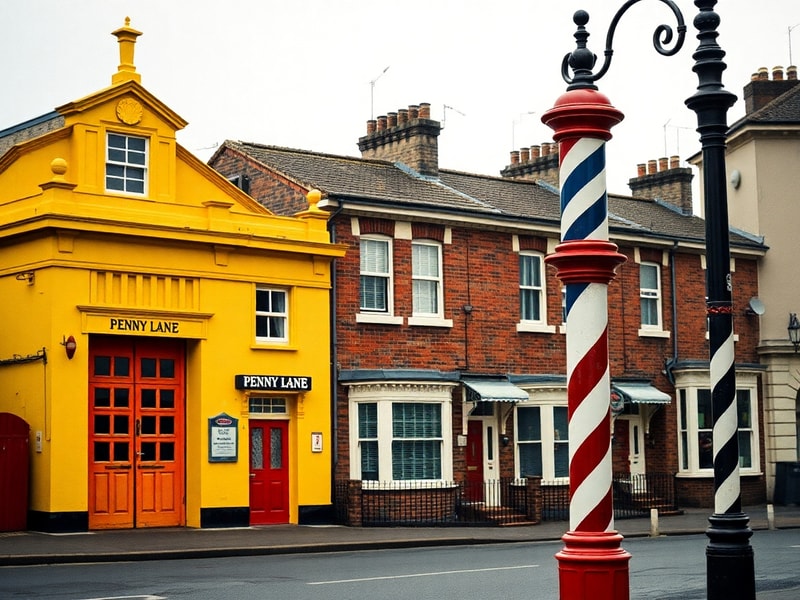
The song’s lyrics—“Penny Lane is in my ears and in my eyes”—paint a picture of a bustling, rain-soaked Liverpool, where the bus shelter, the barber shop, and the bank all played a role in the band’s formative years. The street’s real-life landmarks, such as the former Penny Lane Wine Bar (now a barbershop) and the now-defunct NEMS record store, were immortalized in the track. Even the iconic image of the “shelter in the roundabout” became a visual shorthand for the song’s charm.
Released as the B-side to Strawberry Fields Forever, Penny Lane was a global hit, reaching the top of the charts in multiple countries. Its success cemented the street’s place in music history and sparked a phenomenon: fans from around the world began making the journey to Liverpool to see Penny Lane for themselves.
A Street Reinvented: From Local Thoroughfare to Global Destination
For decades after The Beatles’ song, Penny Lane remained a quiet residential street. But the attention it received from the band’s fanbase transformed it into something else entirely. By the 1990s, it had become a must-visit destination for tourists, music historians, and pilgrims of pop culture.
Today, Penny Lane is a carefully curated homage to its musical legacy. The street is lined with murals, memorabilia shops, and cafes that cater to fans. The original barber shop, now styled as “Bioletti’s,” still operates, while the Penny Lane Records store sells vinyl and Beatles merchandise. Even the bus stop mentioned in the song has been preserved as a historic site.
But Penny Lane’s appeal isn’t just nostalgic. It’s a dynamic space that continues to evolve. Local businesses, many owned by artists and musicians, have turned the area into a hub for creativity. Cafes like The Dovedale Towers host live music, while street art celebrates Liverpool’s broader cultural scene. The street’s transformation reflects a broader trend in cities worldwide—where music and place intersect to create new forms of economic and cultural vitality.
Penny Lane Beyond Liverpool: A Global Cultural Export
The influence of Penny Lane extends far beyond its physical location. The song’s global popularity turned it into a symbol of Liverpool’s musical heritage, inspiring countless covers, tributes, and homages. In Japan, for example, Penny Lane-themed cafes and bars have popped up in cities like Tokyo and Osaka, catering to fans who may never visit Liverpool but still want to experience its magic.
In the United States, Penny Lane has been referenced in films, TV shows, and literature as shorthand for British pop culture. The street’s name has even been used in brand names, from coffee shops to clothing lines, proving its crossover appeal. This global reach speaks to the universal language of music and nostalgia—how a single street can become a vessel for collective memory.
Yet, Penny Lane’s global identity isn’t without controversy. Some critics argue that the commercialization of the street has diluted its authenticity, turning it into a theme park for Beatles fans. Others point out that the street’s original name, tied to a slave trader, complicates its modern legacy. In 2018, a campaign to rename the street gained traction, highlighting the tension between preservation and progress.
Ultimately, Penny Lane’s global resonance forces us to confront important questions about how we remember history. Is it possible for a place to hold both joy and pain, nostalgia and critique? Penny Lane’s story suggests that the answer lies in how we choose to engage with it—whether as passive consumers of nostalgia or active participants in its evolution.
The Future of Penny Lane: Preservation and Reinvention
As Penny Lane moves forward, its future depends on balancing preservation with innovation. The Liverpool City Council has designated the street as a conservation area, ensuring that its historic character remains intact. Meanwhile, local artists and businesses continue to push creative boundaries, using the street as a canvas for new ideas.
One such initiative is the Penny Lane Arts Festival, which celebrates the street’s creative legacy through music, visual arts, and performance. The festival attracts artists from around the world, further cementing Penny Lane’s role as a global cultural hub. These efforts demonstrate that the street’s story is far from over—it’s still being written.
For visitors, Penny Lane offers more than just a photo opportunity. It’s a chance to experience the intersection of music, history, and place. Whether you’re a die-hard Beatles fan or simply someone who appreciates the power of art to shape identity, Penny Lane invites you to reflect on how places become symbols—and how symbols shape us in return.
As Paul McCartney once sang, “Penny Lane is in my ears and in my eyes.” Today, that sentiment rings true for millions around the world, proving that some places are more than just streets—they’re living legacies.
For those interested in exploring more about Liverpool’s musical heritage, be sure to check out our Music category, where we dive deeper into the stories behind the city’s iconic sounds.
—
What Else to Explore Near Penny Lane
Penny Lane isn’t just a standalone destination; it’s part of a larger ecosystem of cultural landmarks in Liverpool. Here are a few nearby spots worth visiting:
- Mathew Street: The heart of Liverpool’s nightlife and home to the Cavern Club, where The Beatles played some of their earliest gigs. The street is lined with live music venues and quirky shops.
- Strawberry Field: The inspiration behind The Beatles’ Strawberry Fields Forever, this former Salvation Army site is now a visitor attraction and garden, celebrating the song’s legacy.
- Albert Dock: A UNESCO World Heritage site, this historic dock is home to museums, galleries, and restaurants, offering a glimpse into Liverpool’s maritime past.
- Bold Street: Known for its independent cafes, bookshops, and street art, Bold Street is a vibrant cultural hub just a short walk from Penny Lane.
Together, these locations paint a fuller picture of Liverpool’s creative spirit, where music, history, and community converge.