Sewage is one of society’s most critical yet overlooked systems. While rarely discussed outside of emergencies, it plays a foundational role in public health, urban planning, and environmental sustainability. The management of wastewater—from residential toilets to industrial runoff—reflects a city’s capacity to balance human needs with ecological responsibility. Yet, despite its importance, sewage infrastructure often operates invisibly until something goes wrong.
Behind every flush lies a complex network of pipes, treatment plants, and regulatory frameworks designed to protect both human health and natural ecosystems. Understanding how sewage systems function reveals much about a city’s resilience, its investment in public infrastructure, and its long-term sustainability. This article explores the invisible world of sewage, its broader implications, and why it deserves more attention than it typically receives.
The Lifeline Beneath Our Feet: How Sewage Systems Work
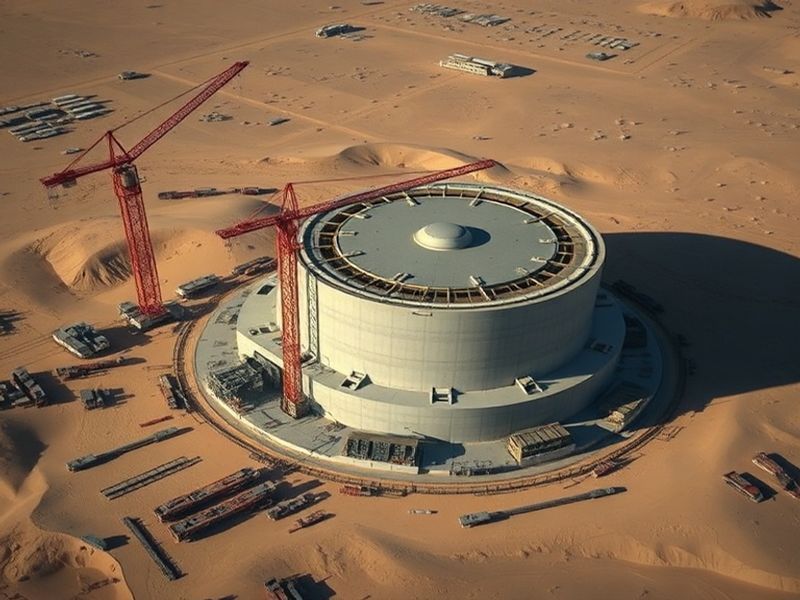
Sewage systems are engineered marvels of modern civilization, designed to transport and treat wastewater efficiently. At their core, these systems rely on a combination of gravity, pumps, and treatment processes to move waste from its source to a processing facility. The journey begins in homes and businesses, where wastewater flows into underground pipes that converge into larger sewer mains. These pipes, often stretching hundreds of miles, transport sewage to treatment plants, where contaminants are removed before the water is safely released back into the environment.
Treatment typically occurs in three stages:
- Primary Treatment: Physical removal of solids through screening and sedimentation. Large debris is filtered out, and heavier particles sink to form sludge.
- Secondary Treatment: Biological processes break down organic matter using microorganisms. Aeration tanks accelerate decomposition, while clarifiers separate treated water from residual sludge.
- Tertiary Treatment: Advanced filtration and chemical disinfection remove remaining pollutants, including nutrients like nitrogen and phosphorus, before discharge.
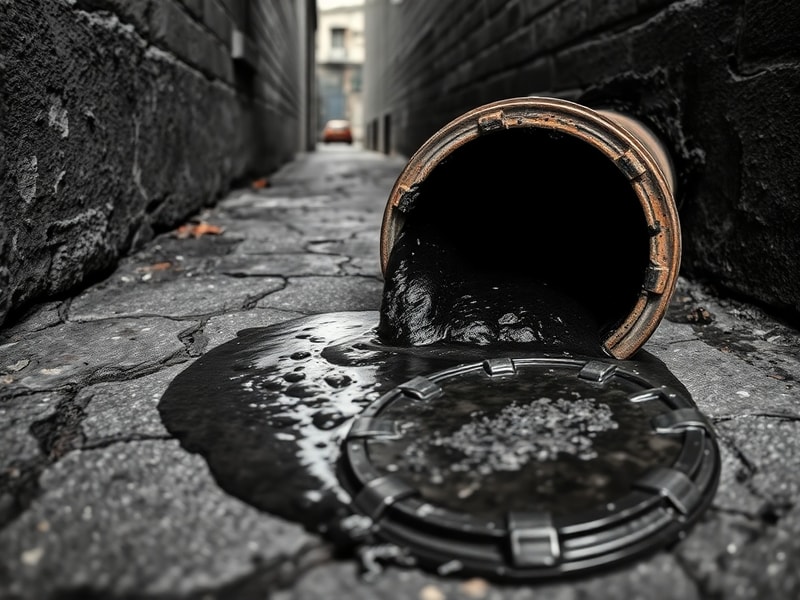
In some cities, combined sewer systems handle both sewage and stormwater in the same pipes. While cost-effective, these systems can overflow during heavy rainfall, releasing untreated wastewater into rivers and oceans—a growing concern as climate change intensifies storm patterns.
The infrastructure supporting these systems is aging in many parts of the world. In the United States, the American Society of Civil Engineers gave the nation’s wastewater infrastructure a “D+” grade in its 2021 report card, citing over $271 billion in needed investments over the next decade. Such deficiencies highlight the urgent need for modernization to prevent environmental contamination and public health crises.
Environmental and Public Health Risks: The Stakes of Sewage Management
Poor sewage management poses significant risks to both ecosystems and human populations. When untreated wastewater enters natural waterways, it introduces pathogens, heavy metals, and excess nutrients that can devastate aquatic life. Algal blooms, fueled by nitrogen and phosphorus from sewage, create “dead zones” where oxygen levels drop too low to support marine organisms. The Gulf of Mexico’s annual dead zone, for example, spans thousands of square miles due to agricultural and urban runoff.
For humans, inadequate sewage treatment can lead to waterborne diseases such as cholera, dysentery, and hepatitis A. According to the World Health Organization, contaminated water is responsible for over 485,000 diarrheal deaths annually. In developing nations, where infrastructure is often lacking, these risks are magnified. The United Nations estimates that 2 billion people still lack access to safely managed sanitation services, underscoring a global health disparity.
Beyond immediate health threats, sewage pollution contributes to long-term environmental degradation. Pharmaceuticals, microplastics, and industrial chemicals often slip through treatment processes, entering food chains and accumulating in wildlife. Studies have detected traces of antidepressants in fish and plastic fibers in shellfish, raising concerns about bioaccumulation and its effects on human consumers.
Climate change exacerbates these challenges. Rising sea levels threaten coastal wastewater treatment plants, while more frequent and intense storms overwhelm combined sewer systems, leading to overflows. Cities like Miami and Norfolk are already grappling with saltwater intrusion into their sewer infrastructure, forcing costly adaptations.
Innovation and Reform: The Future of Sewage Management
As cities confront the limitations of traditional sewage systems, innovation is reshaping how wastewater is managed. One promising approach is decentralized treatment, which processes sewage at or near its source rather than transporting it to a central plant. This method reduces energy consumption, lowers infrastructure costs, and allows for water reuse in irrigation or even potable systems. Singapore’s NEWater program, which purifies wastewater to drinking standards, exemplifies the potential of such systems.
Green infrastructure is another frontier. Constructed wetlands, permeable pavements, and bioswales mimic natural processes to filter and absorb stormwater, reducing the burden on sewer systems. Portland, Oregon, has implemented green streets that capture and treat runoff, lowering combined sewer overflows by 30% in some areas. These solutions not only improve water quality but also enhance urban biodiversity and resilience.
Technological advancements are also transforming treatment processes. Advanced oxidation, membrane filtration, and AI-driven monitoring systems enable more precise contaminant removal and real-time system adjustments. For instance, sensors can detect overflow risks before they occur, allowing operators to reroute flow or deploy emergency measures. These innovations are critical as cities seek to meet stricter environmental regulations and adapt to climate pressures.
Yet, despite these advances, funding and political will remain barriers. Many municipalities prioritize visible infrastructure like roads and bridges over the unseen networks beneath their feet. Public awareness campaigns, such as those highlighting the connection between sewage management and clean drinking water, are essential to build support for investment.
The Unseen Crisis: Why Sewage Deserves Our Attention
Sewage systems are the unsung heroes of public health and environmental stewardship. They protect us from disease, support ecosystems, and enable urban life to thrive. Yet, their invisibility often leads to neglect until a crisis forces action. The challenges of aging infrastructure, climate change, and pollution demand urgent attention—and solutions are within reach if society chooses to prioritize them.
For policymakers, the message is clear: invest in modern, resilient sewage infrastructure today to avoid costly crises tomorrow. For citizens, the call is to recognize the role sewage plays in daily life and advocate for sustainable, forward-thinking systems. The future of our waterways, public health, and cities depends on it.
As urban populations grow and climate pressures intensify, the stakes will only rise. The question isn’t whether sewage will remain a priority—it’s whether society will act before the next overflow or contamination event forces its hand.
For more insights into infrastructure and sustainability, explore our Science and Technology sections, where we dissect the systems shaping our world.