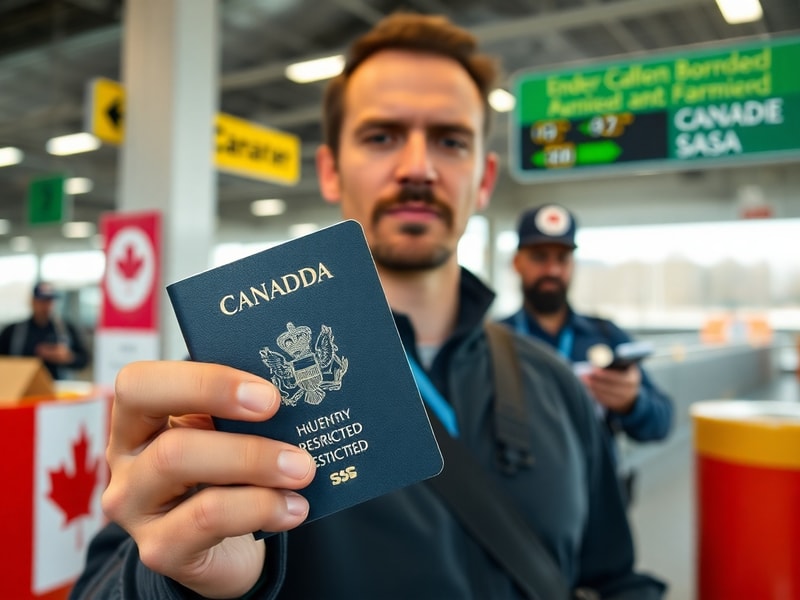
Travel restrictions to Canada have shifted repeatedly since the onset of the COVID-19 pandemic, reflecting evolving public health priorities and global travel dynamics. While many measures have been lifted, certain entry requirements remain in place depending on travelers’ origins, vaccination status, and purpose of visit. Understanding these rules is essential for planning a trip, whether for tourism, business, or family reunification.
Current Entry Requirements for Canada
As of mid-2024, Canada no longer imposes strict COVID-19-related entry restrictions for most travelers. However, the government retains the authority to adjust policies based on public health conditions. Currently, there are no vaccination or testing requirements for entry, but proof of vaccination may still be requested in certain circumstances, such as for unvaccinated travelers arriving from countries with high disease prevalence.
Travelers should also be aware of the following key requirements:
- Electronic Travel Authorization (eTA): Visitors from visa-exempt countries, including the United States, must obtain an eTA before flying to Canada. This digital document is valid for up to five years or until the passport expires.
- Visitor Visa (TRV): Travelers from countries that are not visa-exempt must apply for a Temporary Resident Visa (TRV) before arrival.
- Proof of Funds: Immigration officials may ask for evidence of sufficient funds to cover the stay, such as bank statements or a letter from an employer.
- Criminal Record Checks: Some travelers, particularly those applying for work or study permits, may need to provide a police certificate.
For the most up-to-date information, travelers should consult the official Government of Canada website or contact the nearest Canadian embassy or consulate.
The Broader Impact on Tourism and Immigration
The fluctuations in Canada’s travel restrictions have had significant consequences for the tourism industry, which contributes over $100 billion annually to the national economy. During periods of strict border controls, sectors such as hospitality, aviation, and events faced severe disruptions. Airlines reported steep declines in passenger numbers, while hotels in major cities like Toronto and Vancouver struggled with occupancy rates below 50%.
The prolonged uncertainty also deterred international students, a vital part of Canada’s education sector. In 2022, nearly 800,000 international students were enrolled in Canadian institutions, generating billions in tuition and living expenses. Restrictions on travel and in-person learning disrupted this influx, prompting some students to defer their studies or choose alternative destinations.
Immigration levels, however, remained high as Canada continued to prioritize economic recovery. In 2023, the country welcomed over 400,000 new permanent residents—the highest number in its history. While travel restrictions slowed some pathways, they also accelerated the adoption of digital processes for visa applications and interviews.
Exemptions and Special Cases
Canada maintains specific exemptions for certain groups, even when general travel restrictions are relaxed. These include:
- Essential Service Workers: Truck drivers, healthcare professionals, and other critical workers may face fewer restrictions when crossing the border.
- Diplomatic and Official Travel: Government officials and diplomats often receive exemptions from standard entry requirements.
- Refugees and Asylum Seekers: Individuals fleeing conflict or persecution may apply for protection regardless of border closures, though processing times can vary.
- Transit Passengers: Travelers passing through Canada to reach another destination are generally exempt from entry requirements, provided they remain in the airport’s international transit zone.
Additionally, provinces and territories may impose their own restrictions, particularly in response to localized outbreaks. For example, during a surge in respiratory illnesses in late 2023, Quebec temporarily required travelers from certain regions to provide negative COVID-19 tests upon arrival.
What’s Next for Canada’s Travel Policies?
The future of Canada’s travel restrictions will likely depend on global health trends and domestic policy priorities. As of now, the government appears to be moving toward a more flexible approach, balancing public health with economic recovery. However, the possibility of new variants or geopolitical crises could prompt swift changes.
One area to watch is the integration of digital health passes. While Canada has not mandated their use, the global travel industry is increasingly adopting apps like the European Union’s Digital COVID Certificate. A similar system in Canada could streamline border crossings while maintaining health safeguards.
Another factor is the ongoing debate over visa policies. Canada has faced criticism for lengthy processing times, which have delayed family reunifications and business travel. The government has pledged to modernize its immigration system, but delays persist due to high demand and staffing shortages.
For travelers, staying informed is critical. The Canadian government’s Immigration, Refugees and Citizenship Canada (IRCC) website is the best source for official updates. Meanwhile, airlines and travel agencies often provide guidance tailored to specific routes and passenger needs.
Planning Ahead: Tips for Travelers
Whether you’re visiting Canada for the first time or returning after a long absence, careful preparation can help avoid surprises. Here are some practical steps to take before your trip:
- Check Entry Requirements Early: Visa and eTA applications can take weeks to process, so apply as soon as possible.
- Monitor Travel Advisories: The Government of Canada issues travel advisories that may include health warnings or security alerts for specific regions.
- Prepare for Border Questions: Immigration officers may ask about your travel history, purpose of visit, and ties to your home country. Be ready to provide clear, concise answers.
- Consider Travel Insurance: Medical care in Canada can be expensive for visitors without insurance. Ensure your policy covers COVID-19-related expenses if needed.
- Stay Flexible: Border policies can change with little notice. Have a backup plan in case of delays or cancellations.
For more insights on travel and immigration, visit Dave’s Locker Travel Section or explore the News Section for updates on global travel trends.
As Canada continues to adapt its travel policies, one thing remains clear: flexibility and preparation are key. By staying informed and planning ahead, travelers can navigate the complexities of international entry with confidence.