Clarkson’s Farm: A Global Phenomenon Rooted in Humility and Humor
Jeremy Clarkson’s transformation from a polarizing television personality to an unlikely farming icon has captivated audiences worldwide. Clarkson’s Farm, the Amazon Prime documentary series that premiered in 2021, offers a raw, unfiltered look at Clarkson’s attempt to run a working farm in the English countryside. What began as a comedic experiment quickly evolved into a heartfelt exploration of resilience, community, and the unpredictable nature of agriculture. The show’s universal appeal lies in its honesty—both about the challenges of modern farming and the vulnerabilities of a man more accustomed to shouting at cars on television.
Beyond the laughs, Clarkson’s Farm has sparked conversations about sustainability, rural life, and the pressures of public persona. Its global success reflects a broader cultural fascination with authenticity in an era dominated by curated social media personas. The series doesn’t just entertain; it invites viewers to reconsider their relationship with food, land, and the people who produce it. In doing so, it has become more than a show—it’s a cultural touchstone.
The Show’s Unlikely Origins and Rise to Fame
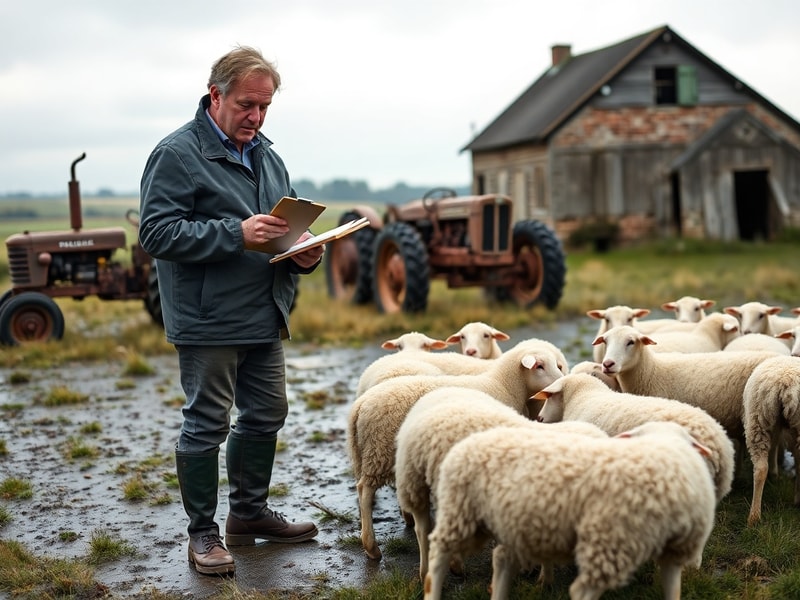
The premise of Clarkson’s Farm emerged from a simple idea: after losing his Top Gear co-hosting role in 2015, Clarkson purchased a 1,000-acre farm in the Cotswolds. What started as a retreat from the spotlight quickly became a full-time challenge when a documentary crew convinced him to document his struggles. The result was a series that blended Clarkson’s trademark wit with unexpected vulnerability.
The first season premiered during the pandemic, a time when audiences craved both escapism and relatable content. Clarkson’s farm became a microcosm for the anxieties of the era—supply chain disruptions, climate uncertainty, and the isolating effects of lockdowns. Yet, rather than offering doom and gloom, the show provided levity through Clarkson’s bumbling yet earnest attempts to master tasks like sheep shearing and tractor maintenance. This juxtaposition of humor and hardship resonated globally, earning the series multiple awards and a dedicated fanbase across continents.
Critics initially questioned whether Clarkson, known for his brash automotive reviews, could pull off a farming documentary. Instead, the show became a testament to his adaptability. The series even inspired real-world interest in regenerative farming, with some viewers seeking out local producers after seeing Clarkson’s experiments with soil health and animal welfare.
A Global Lens: How Different Cultures Embrace the Series
Clarkson’s Farm has transcended its British roots to become a global conversation starter. In the United States, where farming is often romanticized in media, the show’s unflinching look at the realities of agriculture struck a chord. American viewers marveled at Clarkson’s struggles with regulations, weather, and the sheer physical labor involved—a stark contrast to the idyllic images of farming often portrayed in Hollywood.
In Australia, where droughts and bushfires have devastated rural communities, the series sparked discussions about climate change and its direct impact on farmers. Australian audiences connected with Clarkson’s trials, seeing parallels in their own agricultural sectors. Meanwhile, in India, where small-scale farming supports millions, the show prompted debates about the future of traditional farming amid industrialization and urbanization.
The series’ international appeal lies in its universality. Whether in Japan, where aging farmers struggle to find successors, or in Brazil, where deforestation threatens agricultural land, Clarkson’s Farm serves as a reminder of farming’s global significance. It’s not just about one man’s journey; it’s about the collective challenges facing food systems worldwide.
The Farm as a Metaphor: Lessons Beyond Agriculture
Beyond its entertainment value, Clarkson’s Farm functions as a metaphor for modern life. Clarkson’s initial arrogance—typical of his television persona—gradually gives way to humility as he confronts the limits of his knowledge. This arc mirrors broader societal shifts, where expertise is increasingly democratized, and success often depends on adaptability rather than authority.
The show also highlights the importance of community in overcoming challenges. Clarkson’s farm thrives not just because of his efforts but due to the support of experts, neighbors, and even his loyal staff. This theme resonates in an era where isolation and individualism are on the rise. The series suggests that resilience is a collective endeavor, whether you’re running a farm or navigating life’s other complexities.
Environmental themes are woven throughout the series, from Clarkson’s experiments with organic farming to his battles with invasive species. While not a documentary on climate change, the show subtly educates viewers about sustainable practices. Its approach is pragmatic rather than preachy, making it accessible to skeptics and enthusiasts alike.
Cultural Impact: From Meme to Movement
Clarkson’s Farm has inspired more than just viewership—it’s sparked a movement. Fans have adopted Clarkson’s sheep, named after his farm staff, as symbols of perseverance. Merchandise, from mugs to t-shirts, celebrates the show’s iconic moments, like the infamous “sheep shearing fails” or Clarkson’s attempts to operate a combine harvester.
The series has also influenced public perception of farming. In the UK, agricultural organizations have praised the show for demystifying the industry, while schools have used it to teach students about food production. Clarkson himself has become an unlikely advocate, using his platform to promote rural issues and even testifying before parliamentary committees on farming regulations.
Even Clarkson’s detractors have found common ground with the show. While his past controversies remain a topic of debate, Clarkson’s Farm offers a redemption arc that complicates his public image. It’s a reminder that people—and their stories—are rarely one-dimensional.
The Future of the Farm and Beyond
As Clarkson’s Farm enters its fourth season, the show continues to evolve. Clarkson has expanded his agricultural pursuits, experimenting with new crops and technologies. The series now delves deeper into topics like food waste, regenerative agriculture, and the ethics of farming. Each season builds on the last, offering viewers a more nuanced understanding of the challenges and rewards of rural life.
The show’s success has also paved the way for other unconventional documentaries, proving that audiences crave authenticity over polish. From a former car presenter to a farming guru, Clarkson’s journey reflects a broader cultural hunger for stories that challenge expectations. Whether he’s hosting Who Wants to Be a Millionaire? or wrangling sheep, his ability to connect with audiences remains undiminished.
For fans, the farm is more than a television set—it’s a symbol of perseverance. For critics, it’s a testament to Clarkson’s range as a storyteller. And for the world, it’s a reminder that even the most unlikely heroes can teach us valuable lessons about resilience, community, and the land that sustains us.
Why Clarkson’s Farm Matters in 2024
In an age of misinformation and performative activism, Clarkson’s Farm stands out for its raw honesty. It doesn’t claim to have all the answers, but it asks the right questions. What does it mean to work with the land? How can we support the people who feed us? And what happens when we step outside our comfort zones?
The series is a call to action—not just for aspiring farmers, but for anyone feeling overwhelmed by the complexities of modern life. Clarkson’s farm is a microcosm of the world: messy, unpredictable, and occasionally absurd. Yet, it’s also a place of growth, learning, and unexpected joy. That’s a message worth celebrating.