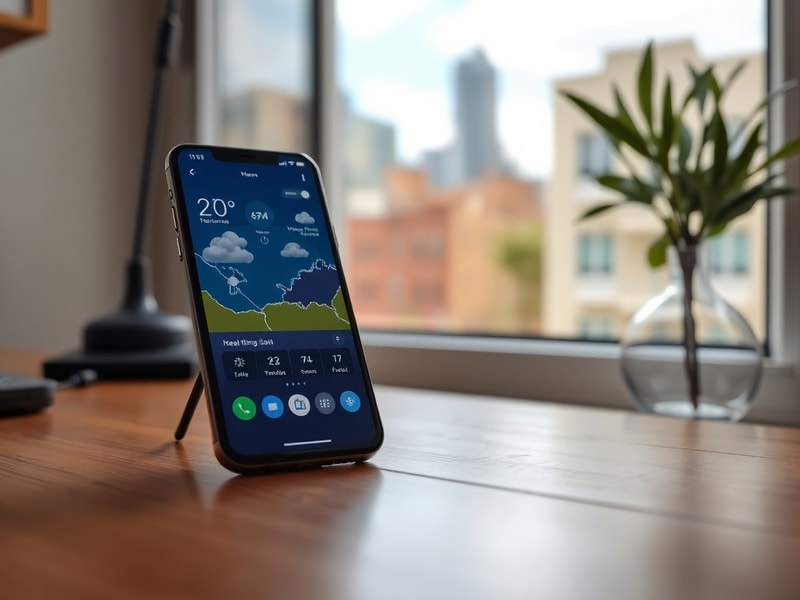
The weather today near you can change in an instant, whether you’re planning a quick errand or a weekend getaway. Accurate local forecasts help you dress appropriately, schedule outdoor activities, and avoid unexpected disruptions. With weather apps and online tools offering real-time updates, staying informed has never been easier.
But how do these forecasts work? What factors influence the weather in your area? And why do some predictions miss the mark? Understanding the science behind local weather can help you make better decisions and appreciate the complexity of meteorology.
How to Find Accurate Weather Forecasts Near You
Finding reliable weather information starts with choosing the right source. While many people rely on their phone’s default weather app, specialized services often provide more detailed and localized data. Here’s a breakdown of the best options:
- National Weather Service (weather.gov): The U.S. government’s official weather agency offers hyperlocal forecasts, radar maps, and severe weather alerts. Its data is updated frequently and free of charge.
- Weather apps with GPS integration: Apps like Weather Underground and AccuWeather use your exact location to deliver pinpoint forecasts. They often include hourly breakdowns and radar animations.
- Local news meteorologists: TV and radio stations provide region-specific updates, especially during storms or extreme conditions. Their expertise can add context to broader forecasts.
- Smart home devices: Devices like Amazon Echo and Google Nest can deliver voice updates on demand, making it easy to check conditions without unlocking your phone.
For the most precise results, combine multiple sources. If your local news predicts rain but your weather app shows sunshine, check the National Weather Service for a third opinion. Discrepancies can arise from differences in data collection methods or update frequencies.
The Science Behind Local Weather Predictions
Weather forecasting is a blend of technology, physics, and human expertise. Meteorologists rely on three key components to generate accurate predictions:
- Satellite and radar imagery: Satellites track cloud movements and storm systems from space, while ground-based radar detects precipitation, wind speed, and rotation in storms.
- Computer models: Supercomputers process vast amounts of data—temperature, humidity, air pressure, and historical trends—to simulate future weather patterns. Models like the GFS (Global Forecast System) and ECMWF (European Centre for Medium-Range Weather Forecasts) are widely used.
- Ground observations: Weather stations, buoys, and even crowd-sourced data from apps contribute real-time measurements. These inputs refine models and correct errors.
Despite these advancements, forecasts aren’t always perfect. Small-scale phenomena—like sudden thunderstorms or microclimates in urban areas—can be tricky to predict. Urban heat islands, for example, can make cities several degrees warmer than surrounding rural areas, leading to localized discrepancies.
Climate change is also complicating predictions. Rising global temperatures are intensifying weather patterns, making extreme events like hurricanes and heatwaves more frequent and unpredictable. Meteorologists are adapting by incorporating long-term climate data into their models.
Why Your Local Weather Might Differ from Forecasts
You’ve checked the forecast, dressed for the weather, and stepped outside—only to find conditions don’t match what you expected. This frustration is more common than you might think. Several factors can cause local weather to deviate from predictions:
- Microclimates: Your neighborhood might experience different weather than the nearest city. Valleys, hills, and bodies of water can create unique conditions. For example, coastal areas often have milder temperatures than inland regions just a few miles away.
- Elevation changes: Higher altitudes tend to be cooler and windier. If you live in a mountainous region, temperatures can drop sharply with elevation, even if nearby lowlands are warm.
- Urban infrastructure: Buildings, pavement, and human activity generate heat, altering local weather. This effect is most noticeable at night when cities cool more slowly than rural areas.
- Sudden weather shifts: Thunderstorms and cold fronts can develop rapidly, leaving little time for accurate forecasting. In these cases, real-time radar is your best tool for staying ahead.
Another culprit is outdated data. Weather models rely on observations taken at specific times, and delays in reporting can lead to inaccuracies. For instance, if a weather station stops transmitting data during a storm, nearby forecasts may become less reliable until the issue is resolved.
How to Use Weather Data for Better Daily Planning
Beyond checking the forecast, you can use weather data to optimize your routine. Here’s how to make the most of local weather insights:
- Plan outdoor activities strategically: Use hourly forecasts to schedule tasks around rain or extreme temperatures. For example, if showers are expected in the afternoon, mow the lawn in the morning.
- Adjust your commute: Fog, ice, or high winds can impact driving safety. Check road conditions and travel advisories before heading out, especially in rural or mountainous areas.
- Protect your home: Severe weather alerts often include tips for securing property. Whether it’s reinforcing windows before a storm or clearing gutters to prevent flooding, timely actions can save you time and money.
- Monitor air quality: Poor air quality can affect health, particularly for those with respiratory issues. Apps like AirVisual provide real-time updates on pollution levels, which often correlate with weather patterns.
For long-term planning, seasonal forecasts can help you prepare for trends like an early winter or a hot summer. While these predictions aren’t as precise as daily forecasts, they offer valuable insights for activities like gardening, travel, and energy consumption.
Technology is also making weather data more accessible. Wearable devices can alert you to sudden temperature drops, while smart irrigation systems adjust watering schedules based on local rainfall. These tools bridge the gap between forecasts and real-world actions.
Conclusion: Stay Informed, Stay Prepared
Checking the weather today near you is more than a daily habit—it’s a way to navigate life with confidence. By understanding how forecasts are made, where to find reliable data, and why local conditions might differ, you can make smarter decisions for work, leisure, and safety.
Next time you open your weather app, take a moment to explore its features. Compare multiple sources, note any discrepancies, and observe how local geography influences your conditions. Over time, you’ll develop a deeper appreciation for the science—and the surprises—of weather.
For more insights into how weather impacts daily life, explore our Trending and News sections. Whether you’re tracking a storm or planning a weekend hike, staying informed is your first step toward preparedness.