Every summer, the historic Old West End neighborhood in Toledo, Ohio, transforms into a vibrant hub of art, music, and local culture. The Old West End Festival, now in its 47th year, has grown from a modest gathering of neighbors into one of the Midwest’s most anticipated cultural events. This annual festival not only showcases the neighborhood’s rich architectural heritage but also fosters a sense of community that extends far beyond its tree-lined streets.
The Festival’s Origins and Evolution
The Old West End Festival began in 1977 as a small open-house event, inviting residents and visitors to explore the neighborhood’s stunning Victorian and Edwardian homes. Organized by the Old West End Association, the festival was initially a way to celebrate the architectural beauty of the area while raising funds for preservation efforts. Over the decades, it has expanded into a multi-day extravaganza featuring live music, art exhibitions, food vendors, and family-friendly activities.
What started as a local initiative has become a cornerstone of Toledo’s cultural calendar. The festival now attracts tens of thousands of attendees each year, drawing people from across the region and beyond. Its success reflects a broader trend in urban America, where historic neighborhoods leverage their cultural assets to drive tourism and economic growth. Toledo’s Old West End, with its ornate mansions and lush gardens, offers a unique backdrop for this celebration, blending history with contemporary creativity.
Key Milestones in the Festival’s History
- 1977: The first festival is held as a one-day open house for historic homes.
- 1990s: The event expands to include live music, art installations, and food vendors.
- 2010: The festival introduces a dedicated children’s area, doubling family attendance.
- 2020: The festival pivots to a virtual format due to the pandemic, featuring online tours and performances.
- 2023: Attendance surpasses 30,000, with record participation from local artists and musicians.
What to Expect at the Festival
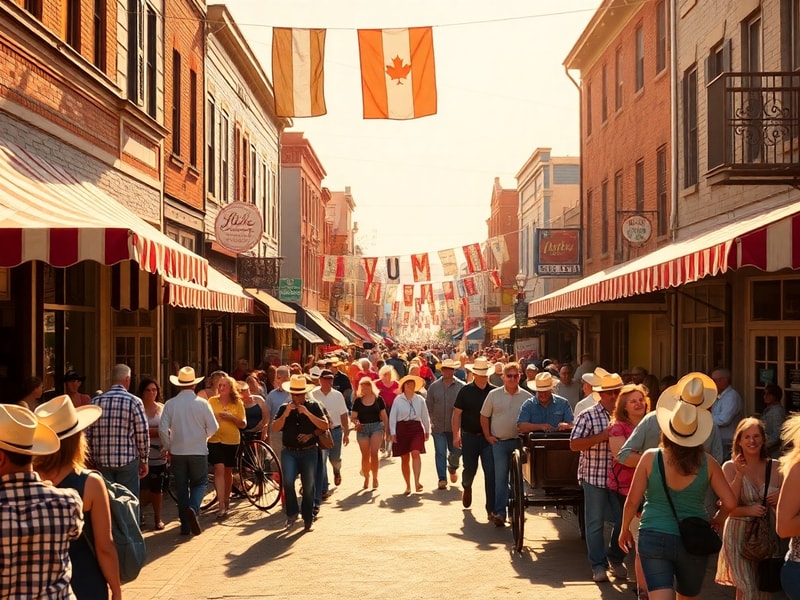
The Old West End Festival is more than just a weekend event—it’s an immersive experience that engages all the senses. Visitors can wander through meticulously restored homes, each with its own story to tell. Artisans and crafters line the streets, offering handmade goods from jewelry to pottery. Meanwhile, food trucks and local restaurants serve up everything from gourmet tacos to classic Toledo-style pizza.
Music is a central pillar of the festival, with multiple stages hosting genres ranging from blues and jazz to indie rock and bluegrass. The festival’s organizers prioritize local talent, ensuring that the performers reflect the community’s diverse musical landscape. For families, the event offers face painting, storytelling sessions, and interactive art projects. Even the neighborhood’s historic churches and parks become venues for pop-up performances and workshops.
One of the festival’s most beloved traditions is the “Porch Crawl,” where attendees stroll from one historic home to another, sampling refreshments and enjoying live music on each porch. This informal, community-driven format fosters a sense of connection, allowing visitors to mingle with residents and fellow festival-goers alike. It’s a reminder that the Old West End Festival is as much about people as it is about place.
The Broader Implications of the Festival
Events like the Old West End Festival play a vital role in preserving cultural heritage while fostering economic vitality. Historic preservation is not just about maintaining old buildings—it’s about sustaining the stories, traditions, and identities that define a community. The festival’s success has inspired similar events in other cities, proving that cultural tourism can be a powerful tool for urban revitalization.
From an economic standpoint, the festival generates millions of dollars in revenue for local businesses. Hotels, restaurants, and shops in the surrounding area see a significant boost in foot traffic, benefiting from the influx of visitors. The festival also creates opportunities for local artists and musicians, providing a platform to showcase their work to a wider audience. In an era where many small towns struggle to retain young residents, events like this help keep communities vibrant and connected.
Moreover, the festival fosters inclusivity by inviting diverse voices to participate. While the Old West End is known for its historic architecture, the event itself is a melting pot of cultures, ages, and backgrounds. This diversity is reflected in the music, art, and food on offer, ensuring that the festival remains relevant and engaging for all attendees. It’s a model for how cultural events can bridge divides and bring people together.
Why This Festival Matters for Toledo
Toledo, like many Rust Belt cities, has faced economic challenges in recent decades. However, the Old West End Festival stands as a testament to the city’s resilience and creativity. By leveraging its unique assets—its history, its people, and its culture—the festival has become a symbol of Toledo’s potential for reinvention.
The festival also highlights the importance of grassroots organizing. Unlike large-scale, corporate-sponsored events, the Old West End Festival is driven by volunteers and local organizations. This grassroots approach ensures that the event remains authentic and community-focused, rather than being co-opted by outside interests. It’s a reminder that culture can be a powerful force for positive change when it’s rooted in the people it serves.
For visitors, the festival offers a chance to experience Toledo’s hidden gems. The Old West End neighborhood is a treasure trove of architectural marvels, from the ornate facades of Victorian homes to the stately mansions of the early 20th century. Walking through the streets during the festival is like stepping back in time, yet the energy and creativity on display are firmly rooted in the present.
As the festival continues to grow, its organizers are exploring new ways to engage audiences while staying true to its roots. Plans for future editions include expanded digital offerings, such as virtual tours and online art galleries, to reach even more people. There’s also a push to incorporate more sustainable practices, from reducing waste at the event to promoting eco-friendly transportation options for attendees.
The Old West End Festival is more than just a summer event—it’s a celebration of community, culture, and creativity. Whether you’re a first-time visitor or a longtime resident, the festival offers something for everyone. As Toledo continues to evolve, events like this remind us of the power of culture to bring people together and shape a brighter future.
For those interested in exploring more about Toledo’s cultural scene, visit Culture and Travel on Dave’s Locker.