Royals vs Twins: Baseball’s Contrasting Philosophies Clash
“`html
Royals vs Twins: A Rivalry Rooted in Contrasting Legacies
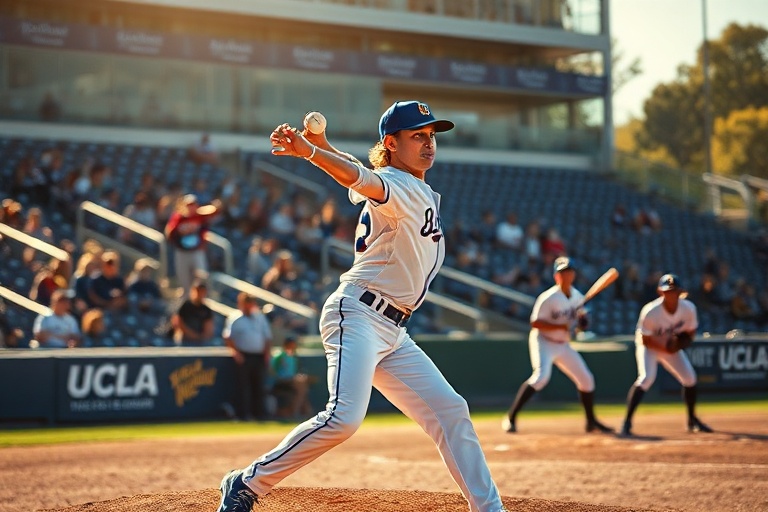
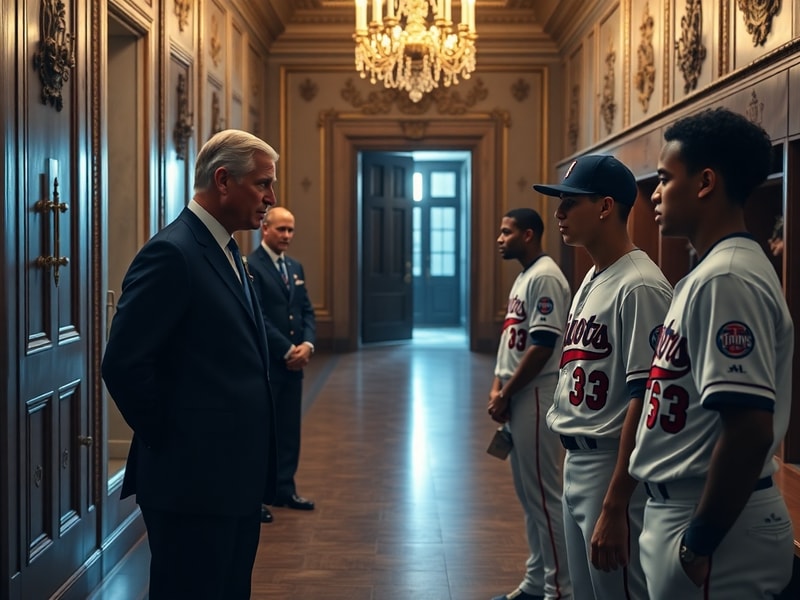
Baseball’s most intriguing matchups often pit teams with diametrically opposed identities against each other. The Kansas City Royals and Minnesota Twins embody this dynamic, representing not just two franchises but two distinct philosophies of team-building and fan engagement. While one team has built its reputation on small-ball execution and homegrown talent, the other has thrived through power pitching and targeted acquisitions. Their rivalry, though not always headline-grabbing, offers a compelling study in contrasts that extends beyond the diamond.
The Royals’ recent history is marked by a resurgence that peaked in the early 2010s, culminating in back-to-back World Series appearances in 2014 and 2015. Their success was forged in the crucible of player development, with a roster that included Salvador Perez, Eric Hosmer, and Lorenzo Cain—all products of the team’s farm system. The Twins, meanwhile, have leaned heavily on analytics and pitching depth, with eras defined by dominant rotations and late-season surges. Their 2023 playoff run, for instance, was powered by a staff that included Sonny Gray and Pablo López, proving that Minnesota’s approach remains as effective as it is unconventional.
The Royals’ Identity: A Return to Small-Ball
Kansas City’s baseball identity has undergone a noticeable shift in recent years. After their 2010s heyday, the Royals entered a rebuilding phase that forced them to reassess their approach. The current roster reflects a deliberate return to fundamentals: speed on the basepaths, defensive versatility, and clutch hitting. Players like Bobby Witt Jr. and MJ Melendez exemplify this evolution, blending power with the kind of athleticism that defined the franchise’s earlier success.
The Royals’ emphasis on player development has also paid dividends. Their farm system, once the envy of the league, continues to churn out talent. This strategy contrasts sharply with the Twins’ reliance on veteran acquisitions and trade-market savvy. While Minnesota often makes headlines for blockbuster deals, Kansas City’s methodical rebuilding process has fostered a sense of loyalty among its fanbase. It’s a philosophy that prioritizes sustainability over splash, a mindset that resonates in a league increasingly dominated by financial disparities.
Defensively, the Royals have always prided themselves on precision. Their infield shifts, once a novelty, are now a staple of modern baseball. The Twins, conversely, have leaned into a more traditional defensive alignment, trusting in their pitchers to generate ground balls and weak contact. This contrast in philosophy extends to their bullpens as well. Kansas City’s relief corps is built around versatility, with arms like Aroldis Chapman capable of overpowering hitters in high-leverage situations. The Twins, meanwhile, have cultivated a bullpen that thrives on matchups and situational pitching, a reflection of their analytical underpinnings.
The Twins’ Blueprint: Analytics and Pitching Dominance
Minnesota’s approach to baseball is a testament to the sport’s evolving reliance on data. The Twins’ front office, led by president of baseball operations Derek Falvey, has built a franchise around three core tenets: pitching, defense, and high-OBP hitters. This strategy has yielded consistent regular-season success, even if playoff disappointments have tempered its narrative. The Twins’ 2023 season, which saw them win 87 games and secure a wild-card spot, was a microcosm of this philosophy in action.
Pitching has long been the Twins’ calling card. The franchise has produced a litany of aces, from Johan Santana to Joe Mauer’s era-defining performance behind the plate. Today, Minnesota’s rotation is anchored by pitchers like Gray and López, who combine power with pinpoint control. The bullpen, too, is a strength, with relievers like Jorge Alcala and Caleb Thielbar providing late-inning stability. This pitching depth has allowed the Twins to weather injuries and roster turnover, a luxury that speaks to the organization’s commitment to building from within.
The Twins’ offensive approach is equally analytical. They prioritize players who can draw walks and work deep counts, a strategy that minimizes the impact of slumps and maximizes run production. This philosophy is evident in their lineup construction, which often features a mix of power hitters and on-base machines. The Royals, by contrast, have eschewed this model in favor of aggressive baserunning and situational hitting. It’s a clash of philosophies that plays out every time the two teams meet.
Key Matchups to Watch
When the Royals and Twins face off, certain matchups often dictate the outcome of the series. Here’s a breakdown of the most pivotal battles:
- Royals’ Speed vs. Twins’ Pitching: Kansas City’s baserunners—led by Witt Jr. and Salvador Perez—pose a constant threat to Minnesota’s infield. The Twins’ ability to control the running game will be crucial in neutralizing this advantage.
- Royals’ Bullpen vs. Twins’ Late-Inning Offense: Kansas City’s bullpen has been one of the league’s strongest, while Minnesota’s offense often struggles to generate late runs. This dynamic could define close games.
- Royals’ Defense vs. Twins’ Power Hitters: The Twins boast several sluggers, including Byron Buxton and Carlos Correa. Kansas City’s defensive versatility, particularly in the outfield, will be tested repeatedly.
The Fan Experience: Two Cities, Two Cultures
The Royals and Twins represent more than just baseball—they embody the cultural identities of their respective cities. Kansas City’s fanbase is known for its loyalty and passion, a reflection of a city that wears its baseball heritage on its sleeve. Kauffman Stadium, with its fountains and retro charm, is a sanctuary for fans who value tradition. The atmosphere on game days is electric, with crowds that live and die with every pitch.
Minnesota’s baseball culture is different. Twins fans are known for their resilience, weathering years of disappointment with a quiet optimism. Target Field, with its modern amenities and intimate setting, offers a more subdued but equally engaging experience. The Twins’ fanbase is diverse and analytical, reflecting the broader cultural shift in how baseball is consumed. While Kansas City celebrates its history, Minnesota embraces the future.
This contrast extends to the players themselves. Royals players often speak of the city’s hospitality and the pride of representing Kansas City. Twins players, meanwhile, highlight the organization’s emphasis on innovation and adaptability. It’s a reflection of the teams’ broader identities: one rooted in tradition, the other in evolution.
The Bigger Picture: What This Rivalry Tells Us About Baseball
The Royals-Twins rivalry is more than a series of games—it’s a microcosm of baseball’s broader trends. The Royals represent a return to fundamentals, a rejection of the all-or-nothing approach that has come to define the modern game. Their success hinges on execution, not just power. The Twins, meanwhile, embody the league’s analytical revolution, a franchise that has thrived by leveraging data to gain a competitive edge.
This clash of philosophies raises questions about the future of the sport. As teams increasingly rely on analytics and financial disparities widen, the Royals’ model offers a counterpoint. It’s a reminder that baseball is not just a game of numbers but of grit, timing, and heart. The Twins, for their part, demonstrate that innovation and adaptability are just as vital. Their rivalry is a testament to the sport’s diversity, a celebration of the different ways to win.
For fans, the matchups between these two teams are a chance to witness baseball at its most nuanced. Whether it’s the Royals’ small-ball execution or the Twins’ pitching dominance, every game is a lesson in strategy. And in an era where baseball is often reduced to home runs and strikeouts, this rivalry offers something refreshingly human.
As the season progresses, the Royals and Twins will continue to chart their respective courses. For Kansas City, the goal is to reclaim its place among the league’s elite. For Minnesota, it’s about proving that analytics and adaptability can overcome any challenge. Whatever the outcome, one thing is certain: this rivalry is far more than a footnote in baseball’s history. It’s a story of two teams, two cities, and two visions of the game.
For fans looking to dive deeper into the teams’ histories, Dave’s Locker News offers comprehensive coverage of both franchises. Whether you’re interested in the Royals’ farm system or the Twins’ latest pitching acquisitions, the site provides the insights you need to stay informed.