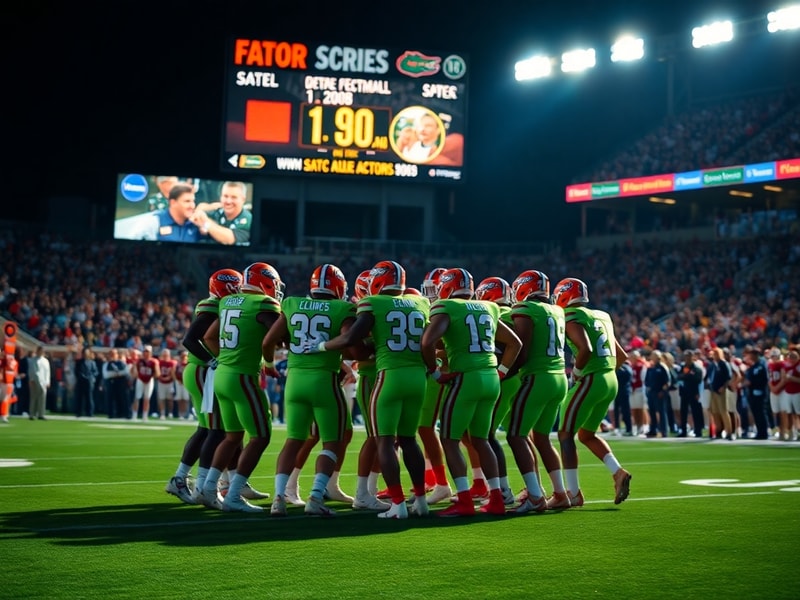
The United Football League (UFL) wrapped up its inaugural season this spring, marking a bold new chapter in professional American football. With a fusion of talent from the former XFL and USFL, the league sought to carve out its identity while delivering high-energy games to fans. From dramatic comebacks to defensive standouts, the UFL’s scoreboard told a story of transition, competition, and unexpected surprises.
Unlike its predecessors, the UFL didn’t just restart old rivalries—it redefined them. The league’s structure, fan engagement, and broadcast strategy set it apart from the fragmented landscape of spring football. But what did the numbers really say about the UFL’s performance? And how did it compare to the XFL’s brief but electric run just a few years earlier?
How the UFL’s Scoring Trends Differed From the XFL
The UFL entered 2024 with a mandate: prove that spring football could thrive beyond the XFL’s 2020 experiment. While the XFL was known for its fast-paced, high-scoring games and player-friendly contracts, the UFL took a more measured approach. Early data suggests a slight dip in average points per game compared to the XFL’s final season, but with notable variations by team and matchup.
One standout trend was the league’s emphasis on defensive play. The UFL averaged 45.2 points per game in its regular season—a respectable figure, but lower than the XFL’s 2020 average of 53.8. Special teams also played a bigger role, with several games decided by field goals or punt returns rather than explosive passing touchdowns.
Key statistical differences between the two leagues included:
- Passing efficiency: The XFL prioritized the run game and quick passes, while the UFL saw a rise in deep-ball attempts and play-action sets.
- Penalty discipline: The UFL averaged 8.7 penalties per game, down from the XFL’s 10.1—a sign of tighter officiating or evolving rules.
- Attendance volatility: Some UFL teams drew over 30,000 fans, while others struggled to crack 10,000, highlighting uneven market penetration.
The league’s eight teams—spread across former XFL and USFL markets—presented a geographic challenge. Cities like Houston and San Antonio thrived, while others like Orlando and Birmingham saw inconsistent turnout despite competitive rosters.
The Most Memorable UFL Scores and Storylines
While the UFL’s regular season lacked the XFL’s viral moments, a handful of games stood out for their drama and statistical anomalies. The league’s championship game, a 27-20 thriller between the Arlington Renegades and DC Defenders, featured a fourth-quarter comeback led by Renegades QB Drew Plitt. It was a microcosm of the UFL’s season: gritty, low-scoring, and decided by a single play.
Other notable score-driven narratives included:
- The San Antonio Brahmas’ 38-35 shootout win over the Vegas Vipers in Week 5, a game that featured six lead changes.
- The Birmingham Stallions’ 16-13 defensive slugfest against the Houston Roughnecks, where a 55-yard field goal sealed the win in the final minute.
- The Memphis Showboats’ 42-35 victory over the Pittsburgh Maulers, a game where both teams combined for over 800 yards of offense.
Player performances also shaped the narrative. Former NFL quarterback Luis Perez led the league in passing yards, while defensive end Chris Odom set a UFL record with 14 sacks. These outliers suggested that the league was developing talent that could eventually return to the NFL—a key selling point for fans and scouts alike.
The UFL’s scoring trends weren’t just numbers on a board; they reflected a league in transition. The absence of the XFL’s signature “home run” plays (like the “XFL Dropback” or onside kicks) made games feel more traditional, which appealed to purists but may have alienated casual viewers expecting high-flying action.
What the UFL’s Scores Mean for the Future of Spring Football
The UFL’s debut season wasn’t just about wins and losses—it was a test of the league’s long-term viability. The scores revealed strengths and weaknesses that will shape its second year. On the positive side, the league demonstrated resilience in markets like Houston and San Antonio, where fan support remained strong. The UFL also benefited from a consolidated schedule (shared with the XFL in 2020) and a unified broadcast deal with ESPN and Fox, ensuring consistent exposure.
However, the league faces critical challenges:
- Fan engagement: The UFL must convert casual viewers into season-ticket holders. Early attendance data suggests that while big-name teams drew crowds, smaller markets struggled to sustain interest.
- Player development: With the NFL Draft approaching, the UFL’s ability to showcase talent will determine whether it becomes a viable proving ground or a career dead-end.
- Media narrative: The league needs a signature moment—a viral play, a star player, or a controversial call—to break through the noise of the NFL offseason.
The UFL’s scores also hinted at a broader shift in spring football philosophy. The XFL’s “all-or-nothing” ethos was replaced by a more balanced, strategy-driven approach. This could attract a different fanbase—one that values football IQ over spectacle. But it also risks blending in with the NFL’s offseason noise rather than standing out.
For fans of alternative football, the UFL’s numbers offered both optimism and caution. The league proved it could deliver competitive games, but it hasn’t yet proven it can build a lasting culture. The 2025 season will be pivotal: will the UFL refine its product, or will it become another footnote in the history of spring football?
Lessons for the UFL—and Other Spring Football Leagues
The UFL’s inaugural season left more questions than answers. Yet, those questions are critical for the future of the sport. Here are three key takeaways:
- Market diversity is key: The UFL’s uneven attendance proved that not all former XFL/USFL cities are equally invested. The league must prioritize markets with existing fanbases or clear growth potential.
- Talent development matters: The UFL’s ability to place players in the NFL Draft will determine its credibility. If top prospects shun the league, it risks becoming a retirement home for washed-up stars.
- Broadcast strategy needs refinement: While ESPN and Fox provided exposure, the UFL must innovate in how it packages games. Could a “UFL Sunday” highlight show or interactive streaming feature help retain viewers?
The league’s scores also underscored a fundamental truth about spring football: it’s not just about the game on the field. It’s about the experience—the tailgates, the rivalries, the underdog stories. The UFL has the pieces to build that culture, but it needs time, investment, and a bit of luck.
For now, the UFL’s numbers tell a story of a league finding its footing. The scores from 2024 won’t be remembered like the XFL’s 2020 highlights, but they may prove more valuable in the long run. They’re a baseline—a starting point for something that could grow into something great.
As the league looks ahead to 2025, one thing is clear: the UFL’s future will be written not just in wins and losses, but in how it connects with fans, develops talent, and carves out its place in the crowded world of professional football.
Explore more Sports coverage on Dave’s Locker or dive into in-depth Analysis for broader context.