Why the Strait of Hormuz Remains the World’s Most Critical Energy Chokepoint
“`html
The Strait of Hormuz: A Critical Chokepoint in Global Energy Flows
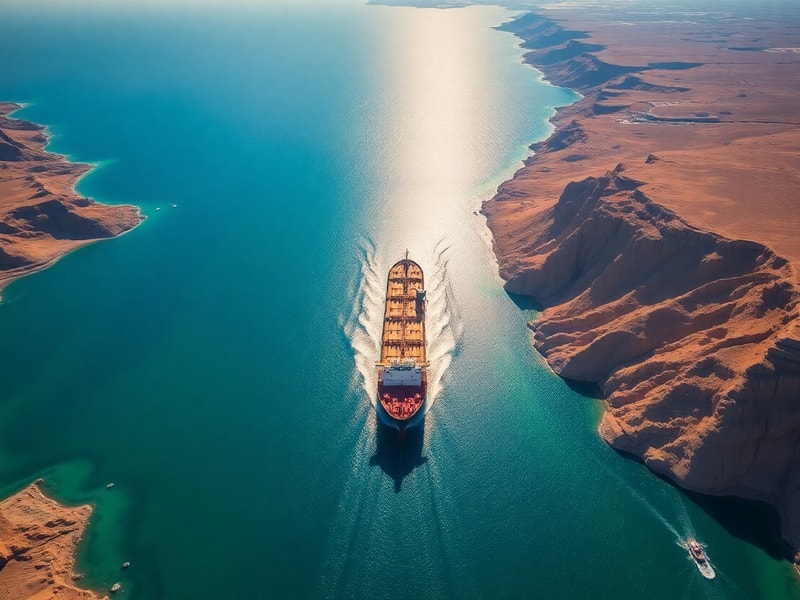
The Strait of Hormuz is more than a geographic landmark—it is a vital artery for global energy markets, a flashpoint for geopolitical tensions, and a constant reminder of how interconnected the world remains when it comes to oil and natural gas supplies. Nestled between Iran and Oman, this narrow waterway connects the Persian Gulf to the Gulf of Oman and, ultimately, the Arabian Sea. At its narrowest point, the strait spans just 21 miles, with a shipping channel that narrows to about two miles wide in each direction. This constriction makes it one of the most strategically significant maritime passages on Earth.
Over one-third of the world’s seaborne oil shipments pass through the Strait of Hormuz every day. The sheer volume of crude oil, liquefied natural gas (LNG), and petroleum products that transit this route underscores its unparalleled importance. Disruptions here can send shockwaves through global energy markets, influencing fuel prices, supply chains, and economic stability worldwide. Given its outsized role in energy security, the strait remains a focal point for military, diplomatic, and economic strategies across multiple continents.
Geopolitical Significance: Why the Strait Matters to the World
The Strait of Hormuz is not just a maritime route—it is a geopolitical pressure point. The Islamic Republic of Iran borders the strait to the north, giving it significant leverage over one of the world’s most critical energy corridors. Iran has repeatedly threatened to close the strait in response to economic sanctions, military threats, or perceived provocations by Western powers or regional rivals. Such a move, even if temporary, could have devastating consequences for global oil markets, potentially causing prices to spike and supply shortages to emerge.
In 2019, Iran seized multiple foreign tankers in the strait, escalating tensions with the United States and its allies. The incident highlighted how easily maritime security can deteriorate in this region. International coalitions, including the U.S.-led International Maritime Security Construct (IMSC), have since increased patrols to deter aggression and ensure safe passage. Yet, the persistent risk of conflict keeps energy markets on edge, making the strait a persistent source of volatility.
The strait is also central to the rivalry between regional powers. Saudi Arabia, the United Arab Emirates, and other Gulf states depend heavily on its uninterrupted flow of oil. Meanwhile, Iran uses its geographic position as both a deterrent and a bargaining chip in negotiations. The delicate balance of power ensures that the Strait of Hormuz remains a focal point for both diplomacy and confrontation.
The Military Presence: A Delicate Balance of Power
The United States maintains a strong naval presence in the region, primarily through the U.S. Fifth Fleet, headquartered in Bahrain. This force is tasked with safeguarding maritime traffic and deterring Iranian aggression. Other nations, including the United Kingdom, France, and Australia, have also contributed ships to multinational task forces operating in the area. These deployments reflect a shared recognition of the strait’s strategic importance.
However, Iran possesses a formidable asymmetric warfare capability. Its naval forces include fast-attack boats, anti-ship missiles, and mines—all of which could disrupt shipping if tensions escalate. Iran has also invested in ballistic missile technology and drones, further complicating the security landscape. The combination of conventional naval power and asymmetric tactics creates a complex environment where any miscalculation could lead to a major crisis.
To mitigate risks, several countries have explored alternative routes. The UAE, for instance, has invested in the Abu Dhabi Crude Oil Pipeline, which bypasses the strait entirely by transporting oil to Fujairah on the Gulf of Oman. Similarly, Saudi Arabia has explored pipelines that could ship oil to the Red Sea, reducing reliance on Hormuz. While these alternatives provide some flexibility, they cannot fully replace the strait’s massive capacity.
Economic Impact: How Disruptions Affect Global Markets
The economic stakes of the Strait of Hormuz are immense. According to the U.S. Energy Information Administration, about 21 million barrels of oil per day passed through the strait in 2022. This represents roughly 20% of global oil consumption. Any interruption—whether due to conflict, sabotage, or a blockade—could lead to supply shortages, price spikes, and economic instability.
In June 2019, attacks on two oil tankers near the strait caused Brent crude prices to surge by nearly 4% in a single day. The incident demonstrated how quickly markets can react to perceived threats in the region. Similarly, in 2021, reports of an alleged Iranian plot to seize an Israeli-linked tanker led to a temporary increase in insurance premiums for vessels transiting the strait. These examples underscore the strait’s role as a pressure valve for global energy prices.
Beyond oil, the strait is also a critical route for liquefied natural gas (LNG). Qatar, the world’s largest LNG exporter, relies heavily on the strait to ship its gas to Asia and Europe. Any disruption could have cascading effects on energy markets, particularly in Asia, where demand for LNG continues to grow. The strait’s importance to both oil and gas markets makes it a linchpin of global energy security.
The Human and Environmental Costs of Instability
While the geopolitical and economic dimensions of the Strait of Hormuz are often discussed, the human and environmental consequences of instability are equally significant. Mariners transiting the strait face constant risks, from piracy to accidental collisions in congested waters. The region’s history of tanker seizures and military skirmishes adds an additional layer of danger for crews.
Environmentally, the strait is vulnerable to oil spills and pollution. The combination of heavy traffic, aging tankers, and the potential for conflict increases the risk of catastrophic spills. In 2019, the International Maritime Organization reported that the strait experienced multiple near-misses involving collisions and groundings, raising concerns about long-term environmental damage. A major spill could devastate marine ecosystems, disrupt fishing industries, and harm coastal communities.
Local economies also suffer from the region’s instability. Ports in Oman and the UAE, such as Fujairah and Khasab, rely on the strait’s traffic for trade and commerce. When tensions rise, these ports often see reduced activity, impacting jobs and economic growth. The ripple effects extend beyond the Gulf, affecting supply chains and consumer prices worldwide.
Future Outlook: Can Diplomacy Prevent the Next Crisis?
The future of the Strait of Hormuz hinges on diplomacy and regional cooperation. While military presence can deter aggression, it cannot resolve underlying political tensions. The Joint Comprehensive Plan of Action (JCPOA), commonly known as the Iran nuclear deal, offered a glimmer of hope for improved relations. However, the U.S. withdrawal from the agreement in 2018 and subsequent sanctions have complicated efforts to stabilize the region.
Regional initiatives, such as the Gulf Cooperation Council (GCC), have attempted to foster dialogue and reduce tensions. However, deep-seated rivalries, particularly between Saudi Arabia and Iran, continue to hinder progress. Meanwhile, external powers, including the U.S., China, and Russia, maintain competing interests in the region, further complicating diplomatic efforts.
For now, the Strait of Hormuz remains a paradox—a vital lifeline for global energy and a potential flashpoint for conflict. The international community must balance military readiness with diplomatic engagement to ensure that this critical chokepoint remains open and secure. Failure to do so could have far-reaching consequences for energy markets, economic stability, and global peace.
As the world transitions toward renewable energy, the strait’s importance may eventually diminish. However, for the foreseeable future, oil and gas will continue to dominate the global energy mix, and the Strait of Hormuz will remain a cornerstone of global supply chains. The challenge for policymakers, industry leaders, and maritime stakeholders is to navigate this complex landscape while avoiding the next crisis.