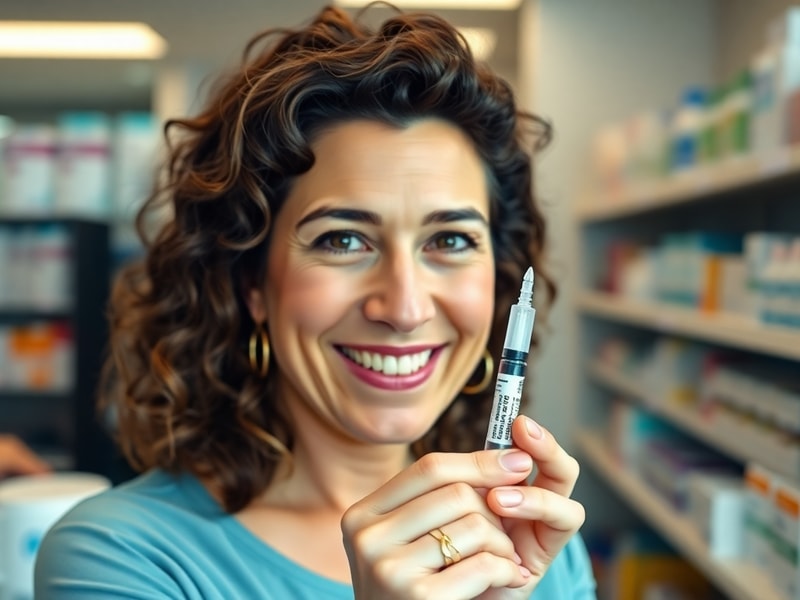
Mayim Bialik, the neuroscientist-turned-actress best known for her roles in Blossom and The Big Bang Theory, has recently become a prominent voice in conversations about GLP-1 medications. Bialik has been open about her use of GLP-1 receptor agonists, a class of drugs designed to manage type 2 diabetes and support weight loss. Her public discussion of these medications has sparked curiosity and debate, particularly in an industry where body image and health are often scrutinized.
The conversation around GLP-1 drugs has expanded beyond medical circles into pop culture, fueled in part by high-profile endorsements and personal testimonials. Bialik’s willingness to share her experience aligns with a growing trend of celebrities using their platforms to normalize discussions about health, wellness, and medical treatments. This shift reflects broader changes in how society views prescription medications, particularly those associated with weight management.
Why Mayim Bialik’s GLP-1 Discussion Matters in Hollywood
Hollywood has long been a space where appearance and physical standards play a significant role in casting and career longevity. The industry’s emphasis on youth and thinness has historically created pressure for actors to maintain specific body types, often at the expense of their health. Bialik’s openness about using GLP-1 medications challenges this unspoken expectation by framing health management as a personal choice rather than a professional obligation.
Her candor also intersects with broader industry conversations about ageism and the pressure on women in entertainment to conform to youthful ideals. By discussing GLP-1 drugs, Bialik contributes to a narrative that prioritizes well-being over arbitrary standards. This perspective is particularly relevant as more celebrities, including those in their 40s and 50s, embrace medical interventions to address metabolic health without apology.
GLP-1 Medications: A Brief Overview
GLP-1 receptor agonists, such as semaglutide (sold under brand names like Ozempic and Wegovy), mimic the hormone glucagon-like peptide-1. This hormone regulates appetite and insulin secretion, making these drugs effective for managing type 2 diabetes and promoting weight loss. Originally developed for diabetes, their off-label use for weight management has surged in popularity, driven by celebrity endorsements and social media trends.
The rise of GLP-1 drugs has also sparked discussions about accessibility, cost, and the ethical implications of using medications primarily for cosmetic weight loss. While these drugs offer tangible benefits for some individuals, their high price points and varying insurance coverage create barriers for many who might benefit from them. Bialik’s experience highlights these complexities, as she navigates both the medical and cultural dimensions of GLP-1 use.
The Broader Implications of GLP-1 Drugs in Society
The growing acceptance of GLP-1 medications reflects a shift in how society views weight loss and health optimization. For decades, diet culture has dominated conversations about body weight, often promoting restrictive eating and extreme exercise regimens as the only viable paths to wellness. GLP-1 drugs, however, offer an alternative that aligns with a more medicalized approach to weight management.
This shift raises important questions about the role of medication in addressing obesity and metabolic health. Obesity is a complex condition influenced by genetic, environmental, and socioeconomic factors, and GLP-1 drugs represent one tool in a broader toolkit. However, their use also underscores the need for comprehensive healthcare solutions that go beyond pharmaceutical interventions, including nutrition education, mental health support, and policy changes that address food deserts and accessibility.
Key Considerations Around GLP-1 Medications
While GLP-1 drugs have gained widespread attention, several factors warrant closer examination:
- Efficacy and Safety: Clinical trials demonstrate the effectiveness of GLP-1 medications for weight loss and diabetes management, but long-term data on their impact remains limited. Side effects, such as gastrointestinal issues, are common and can deter some users.
- Accessibility and Cost: The retail price of GLP-1 drugs can exceed $1,000 per month without insurance, making them inaccessible for many individuals who could benefit from them. Insurance coverage varies widely, often leaving patients to navigate complex reimbursement processes.
- Cultural Shifts: The normalization of GLP-1 use in mainstream culture, including celebrity endorsements, has contributed to a more accepting attitude toward medical interventions for weight loss. However, this normalization also risks oversimplifying the multifaceted nature of obesity and health.
- Ethical Debates: The use of GLP-1 drugs for cosmetic weight loss has sparked ethical debates about whether society is pathologizing normal body diversity. Critics argue that the focus on weight loss as a primary health goal may distract from other markers of well-being, such as mental health and metabolic fitness.
What Mayim Bialik’s Experience Teaches Us
Mayim Bialik’s public discussion of her GLP-1 use serves as a case study in how celebrity influence can shape conversations about health and wellness. By sharing her journey, she humanizes the experience of using prescription medications, demystifying a topic that many people approach with hesitation or stigma. Her perspective also aligns with her advocacy for science communication, reinforcing the idea that health decisions should be informed by evidence rather than societal pressures.
For Hollywood, Bialik’s openness could signal a more nuanced conversation about health, aging, and professional expectations. As the industry grapples with its own biases against older actors, particularly women, her willingness to discuss GLP-1 drugs may encourage others to prioritize health over appearance. This shift could have ripple effects, influencing both public perceptions and industry norms.
Beyond Hollywood, Bialik’s experience underscores the importance of personalized healthcare. GLP-1 medications are not a one-size-fits-all solution, and her approach—likely combined with lifestyle changes—highlights the value of tailored treatments. This perspective is crucial in an era where health advice is often distilled into viral trends or generic recommendations.
Looking Ahead: The Future of GLP-1 Medications
The conversation around GLP-1 drugs is far from over. As more research emerges, the medical community will gain a clearer understanding of their long-term effects, optimal usage, and potential alternatives. Policymakers, too, will need to address the accessibility and affordability of these medications, ensuring that they are available to those who need them most.
In the entertainment industry, the normalization of GLP-1 use may lead to a more inclusive definition of health and beauty. If actors and public figures continue to share their experiences, it could help dismantle the stigma surrounding medical interventions for weight management. This, in turn, might encourage more individuals to seek evidence-based solutions for their health concerns without fear of judgment.
Mayim Bialik’s journey with GLP-1 medications is more than a personal story—it’s a reflection of broader societal shifts. As conversations about health, wellness, and medical treatments evolve, her openness contributes to a more informed and compassionate dialogue. Whether in Hollywood or beyond, the willingness to discuss these topics openly is a step toward reducing stigma and promoting healthier, more realistic standards.
For those considering GLP-1 medications, Bialik’s experience serves as a reminder to consult healthcare professionals and approach treatment as part of a holistic health strategy. The goal should always be well-being, not just adherence to societal expectations.