Published on
Background of the Incident
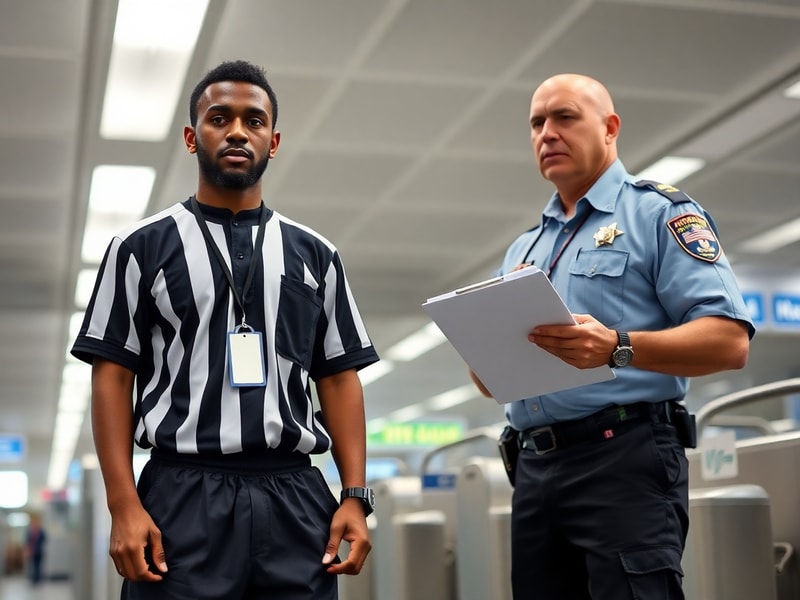
A Somali football referee was denied entry into the United States last week, raising concerns about visa policies affecting international sports officials. The referee, who was scheduled to officiate a match in Minnesota, was turned away at Minneapolis-St. Paul International Airport despite holding a valid U.S. visa.
According to reports, the denial occurred under Section 212(f) of the Immigration and Nationality Act, which allows the U.S. government to bar entry for individuals deemed a threat to national security or public safety. The referee’s legal team has not yet commented on the specific reasons behind the denial, but immigration experts suggest that vetting processes may have flagged inconsistencies in travel history or sponsorship documentation.
This incident is not isolated. In recent years, several international referees and athletes have faced similar challenges when traveling to the U.S., prompting questions about the consistency and fairness of visa adjudication for sports professionals.
Key Factors in the Denial
The denial of entry for the Somali referee highlights several broader issues within U.S. immigration policy and its intersection with global sports. Below are the primary factors that may have contributed to the decision:
- Visa Category: The referee likely held a B-1/B-2 visitor visa, which requires applicants to demonstrate strong ties to their home country and a clear purpose for travel. Any perceived ambiguity in the application could trigger additional scrutiny.
- Country of Origin: Somalia is currently designated as a “State Sponsor of Terrorism” by the U.S. government, which subjects its citizens to heightened vetting procedures. This classification often leads to prolonged background checks and a lower threshold for denial.
- Travel History: Inconsistencies in previous travel records, even minor ones, can result in visa revocations or entry denials under the pretext of national security concerns.
- Sponsorship and Documentation: The legitimacy of the sponsoring organization (likely a U.S. soccer league or federation) and the clarity of the referee’s role in the event may have been scrutinized. Missing or unclear documentation can lead to delays or outright rejections.
These factors underscore the challenges faced by athletes and officials from countries with complex geopolitical relationships with the U.S. The lack of transparency in such decisions further complicates the process for affected individuals, who often have little recourse to challenge the outcome.
Broader Implications for International Sports
The denial of entry to the Somali referee is part of a growing trend that could have long-term consequences for international sports governance. FIFA and other global sports bodies have strict regulations requiring referees to be present at matches they are assigned to officiate. When officials are denied entry, it not only disrupts events but also undermines the integrity of competitions.
For sports organizations, this situation raises critical questions about how to navigate visa policies that seem increasingly unpredictable. Some federations have begun exploring alternative officiating strategies, such as hiring local referees or delaying matches, but these solutions are often imperfect and can lead to further complications.
Moreover, the incident could deter other Somali and African sports professionals from pursuing opportunities in the U.S., limiting diversity and representation in American sports leagues. This trend runs counter to efforts by organizations like the U.S. Soccer Federation and the International Olympic Committee to promote inclusivity and global participation.
Potential Solutions and Advocacy Efforts
In response to these challenges, several advocacy groups and sports organizations are calling for reforms to make visa processes more transparent and accessible for international athletes and officials. Proposed measures include:
- Establishing a dedicated visa category for sports professionals to streamline the application process.
- Creating a fast-track review system for referees and athletes with documented histories in international competitions.
- Increasing diplomatic engagement with countries like Somalia to clarify visa requirements and reduce the likelihood of arbitrary denials.
- Providing legal and financial support to affected individuals to challenge denials and seek redress.
These steps, if implemented, could mitigate the risks faced by sports professionals traveling to the U.S. and ensure that visa policies do not inadvertently become barriers to the global exchange of talent.
Reactions from the Sports Community
The denial of entry for the Somali referee has elicited responses from various stakeholders in the sports world. The U.S. Soccer Federation has not publicly addressed the incident, but insiders suggest that the organization is aware of the broader visa challenges facing international referees.
FIFA, the global governing body of football, has reiterated its commitment to ensuring that match officials can fulfill their duties without undue interference. In a statement, a FIFA spokesperson emphasized the importance of “fair and equitable treatment for all referees, regardless of their nationality.” The organization is reportedly exploring legal avenues to support officials who face visa denials.
Local soccer advocates in Minnesota, where the referee was scheduled to officiate, have expressed frustration over the situation. “This isn’t just about one person; it’s about the message it sends to the global soccer community,” said a representative from the Somali-American community in Minneapolis. “If the U.S. wants to be a leader in sports, it needs to be a leader in inclusivity as well.”
Conclusion: A Call for Change
The denial of entry to the Somali referee is more than an isolated incident—it is a symptom of systemic challenges in U.S. immigration policy that disproportionately affect athletes and officials from certain countries. While national security concerns are undoubtedly valid, the lack of transparency and consistency in visa adjudication processes creates unnecessary barriers for individuals who contribute to the global sports ecosystem.
Moving forward, sports organizations, advocacy groups, and policymakers must collaborate to address these issues. This could involve advocating for legislative changes, improving communication between sports bodies and immigration authorities, and providing better support for affected individuals. The goal should be to foster an environment where talent and merit are prioritized over bureaucratic hurdles.
As the world of sports continues to globalize, the U.S. cannot afford to be seen as a destination that excludes rather than includes. The denial of entry to a Somali referee is a reminder that policies designed to protect national interests must also account for the realities of a interconnected world.
For more on sports-related news and analysis, visit our Sports and News sections.