Artemis 3: NASA’s Moon Mission and Its Global Impact
“`html
Artemis 3: The Next Giant Leap for Humanity Beyond Earth
As the world watches the night sky, humanity stands on the precipice of another monumental achievement. The Artemis program, NASA’s ambitious initiative to return humans to the Moon and beyond, reaches its most critical phase with the upcoming Artemis 3 mission. Scheduled for no earlier than September 2026, this mission isn’t just about planting another flag or collecting more lunar rocks. It represents a cultural and scientific inflection point, one that could redefine humanity’s relationship with space exploration.
Artemis 3 is more than a technological endeavor; it is a symbol of global collaboration and ambition. Unlike the Apollo missions of the 1960s and 70s, which were driven by Cold War competition, Artemis embodies a new era of international cooperation. Countries like Canada, Japan, and European nations are contributing critical components, from lunar rovers to life-support systems. This shared effort underscores a universal truth: space exploration is a unifying force that transcends geopolitical boundaries.
The Mission: Objectives and Challenges
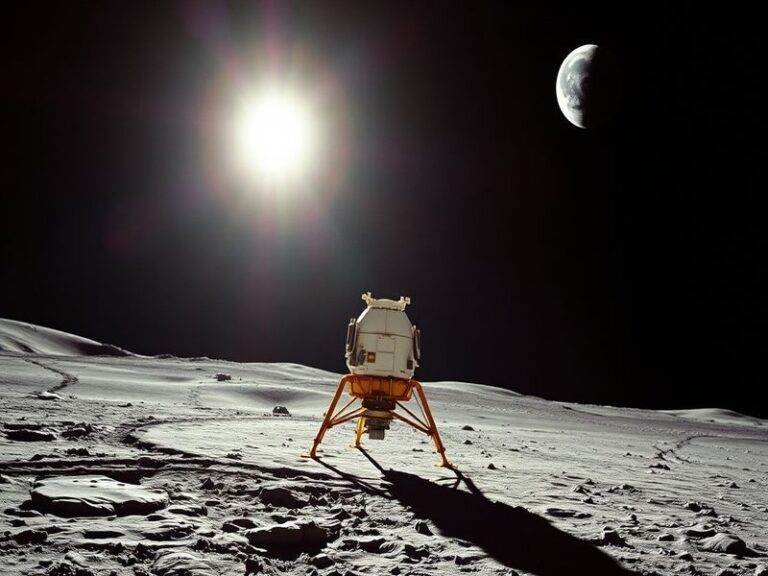
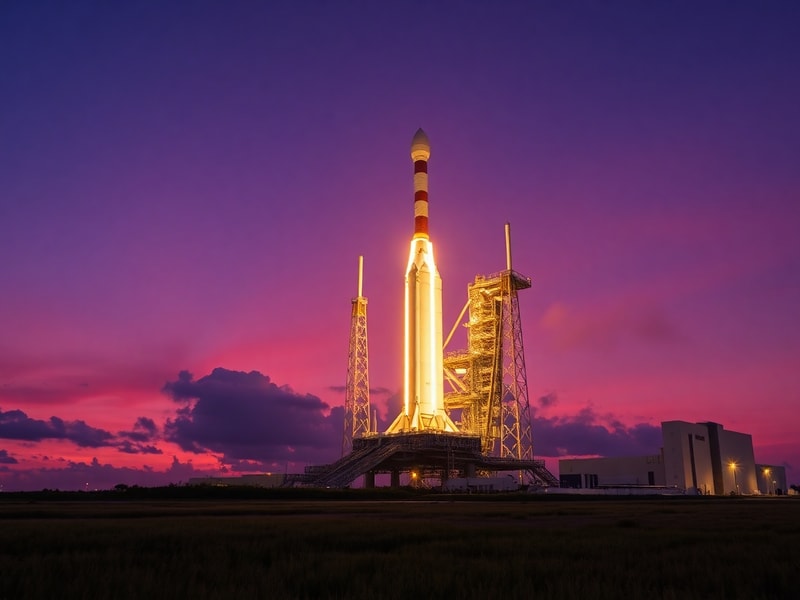
Artemis 3 aims to land the first woman and the next man on the lunar surface, specifically in the Moon’s South Pole region. This area is of particular interest because it contains permanently shadowed craters that may harbor water ice—a resource that could be crucial for sustaining future human presence and producing rocket fuel. The mission will use the Space Launch System (SLS) rocket and the Orion spacecraft, both of which have undergone rigorous testing to ensure their reliability.
The challenges are formidable. The lunar South Pole’s rugged terrain, with its steep slopes and deep craters, poses significant risks for landing. Additionally, the extreme temperatures—ranging from -250°F in shadowed areas to 250°F in sunlight—demand innovative solutions for thermal management. Engineers and scientists are also addressing the issue of lunar dust, which is abrasive and can damage equipment and spacesuits. These hurdles are not just technical; they reflect the complexities of operating in an environment where humans are not naturally suited to survive.
Key Components of Artemis 3
The success of Artemis 3 hinges on several critical components, each developed through years of research and international partnerships:
- Space Launch System (SLS): The most powerful rocket ever built, designed to carry astronauts and payloads beyond Earth’s orbit.
- Orion Spacecraft: A state-of-the-art crew module that provides life support, communication, and re-entry capabilities.
- Human Landing System (HLS): A lunar lander, developed by SpaceX, that will transport astronauts from lunar orbit to the surface and back.
- Lunar Gateway: A small space station orbiting the Moon, serving as a staging point for missions and a testbed for deep-space technologies.
- Spacesuits: Advanced suits designed to protect astronauts from radiation, temperature extremes, and lunar dust.
Each of these elements has been meticulously engineered to address the unique demands of lunar exploration. For instance, the HLS must be capable of landing with precision in a targeted area, avoiding hazardous terrain while ensuring the safety of its crew. The development of these systems highlights the collaborative nature of Artemis, as companies and agencies from around the world contribute their expertise.
A Cultural Shift: Representation and Inspiration
One of the most striking aspects of Artemis 3 is its commitment to diversity and inclusion. For the first time in history, a woman will walk on the Moon. This milestone is not merely symbolic; it reflects a broader shift in how space exploration is perceived and who is encouraged to participate. The Artemis program’s astronaut corps includes a record number of women and people of color, sending a powerful message to young girls and underrepresented communities worldwide.
This cultural shift extends beyond the astronauts themselves. The Artemis program has inspired a new generation of artists, filmmakers, and storytellers to explore themes of space exploration in their work. From documentaries to science fiction, the Moon is once again becoming a canvas for human imagination. This renaissance in lunar-themed art and media underscores how space exploration continues to captivate the collective consciousness, much as it did during the Apollo era.
Moreover, the global outreach of Artemis is fostering a sense of shared ownership in space exploration. Countries that may not have the resources to launch their own missions are participating through contributions to the Lunar Gateway or other collaborative projects. This inclusivity is crucial for sustaining long-term interest and investment in space exploration, ensuring that the benefits of discovery are widely distributed.
The Broader Implications: Science, Economy, and Geopolitics
The scientific goals of Artemis 3 are equally groundbreaking. By studying the lunar South Pole, scientists hope to unlock secrets about the Moon’s formation and the early history of the solar system. The presence of water ice could also provide insights into the origins of water on Earth and the potential for life beyond our planet. These discoveries could have far-reaching implications, not just for astronomy, but for our understanding of our place in the universe.
Economically, the Artemis program is a catalyst for innovation. The development of new technologies—from advanced propulsion systems to sustainable life-support solutions—has already spurred growth in industries ranging from aerospace to manufacturing. The commercial sector is taking notice, with companies investing in lunar infrastructure, from mining to tourism. This economic ripple effect could redefine industries and create entirely new markets, much like the internet did in the late 20th century.
Geopolitically, Artemis represents both an opportunity and a challenge. While it fosters cooperation, it also highlights the competitive nature of space exploration. Nations like China are advancing their own lunar programs, with plans to establish a permanent base on the Moon. The United States and its allies must navigate this landscape carefully, balancing collaboration with strategic interests. The Artemis Accords, a set of principles for the peaceful exploration of space, aim to address these concerns by emphasizing transparency and mutual benefit.
The Road Ahead: Challenges and Opportunities
As Artemis 3 approaches, the world is watching closely. The mission is a testament to human ingenuity, perseverance, and the unyielding desire to explore the unknown. Yet, it is not without its risks. Technical delays, budget constraints, and the inherent unpredictability of spaceflight all pose potential obstacles. However, the lessons learned from past missions—both triumphant and tragic—have equipped NASA and its partners with the tools to mitigate these risks.
Looking beyond Artemis 3, the program sets the stage for even more ambitious goals. The Lunar Gateway will serve as a hub for sustained lunar exploration, while missions to Mars remain a long-term objective. The technologies and knowledge gained from Artemis will be critical for these future endeavors, ensuring that humanity’s reach continues to extend further into the cosmos.
The cultural and scientific impact of Artemis 3 cannot be overstated. It is a reminder that exploration is not merely about reaching a destination; it is about pushing the boundaries of what is possible. As the astronauts of Artemis 3 prepare to take their first steps on the lunar surface, they carry with them the hopes and dreams of a planet united in curiosity and ambition.
Conclusion: A New Chapter in Human History
Artemis 3 is more than a mission; it is a milestone in humanity’s journey beyond Earth. It challenges us to rethink our place in the universe and our responsibilities as stewards of exploration. As the world watches, this mission will not only expand our scientific knowledge but also inspire a new era of discovery. The Moon, once a distant and mysterious neighbor, is now within our grasp—and with it, the promise of a future where humanity thrives among the stars.
For those eager to follow the progress of Artemis 3, Science and Technology sections on Dave’s Locker will provide ongoing updates and analysis. The journey to the Moon is just beginning, and the best is yet to come.