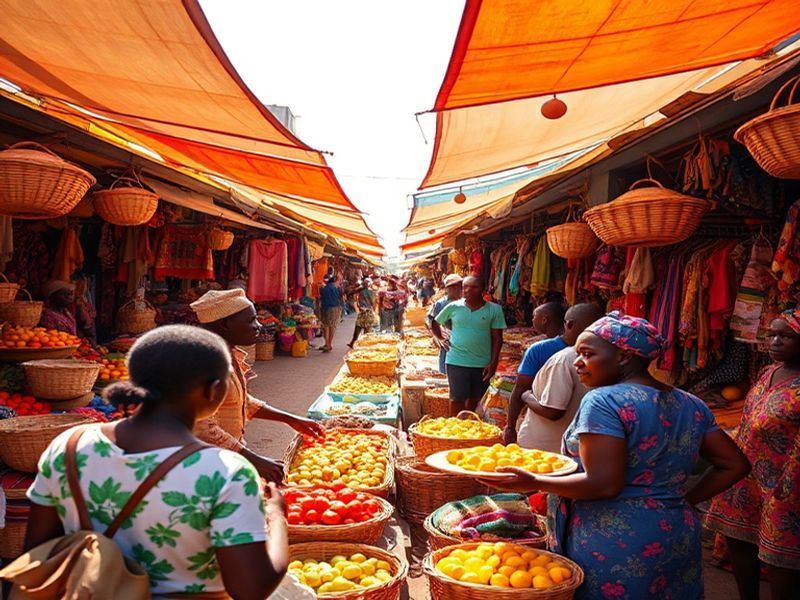
When comparing Australia and Mexico, it’s not just about contrasting landscapes or economic models. These two nations represent distinct pathways of development, cultural identity, and international influence. While Australia is often seen as a stable, resource-rich economy with a Western orientation, Mexico balances a rich indigenous heritage with a rapidly industrializing economy. Their differences—and occasional similarities—offer a fascinating case study in how geography, history, and policy shape national trajectories.
Economic Contrasts: Mining Wealth vs. Manufacturing Might
Australia’s economy thrives on its vast natural resources. The country is the world’s largest exporter of iron ore and lithium, and a top producer of coal, gold, and natural gas. This resource wealth has underpinned decades of economic stability and high living standards. In 2023, Australia’s GDP per capita was approximately $58,000, placing it among the wealthiest nations in the world. The mining sector alone contributes around 10% to the national economy, with exports valued at over $400 billion annually.
Mexico, by contrast, has built its economy on manufacturing and trade. As the United States’ second-largest trading partner, Mexico benefits immensely from its proximity to the U.S. market. The automotive industry is a cornerstone, with major manufacturers like General Motors, Ford, and Toyota operating large assembly plants. In 2023, Mexico exported over $500 billion in goods, with vehicles and auto parts accounting for nearly 25% of that total. While Mexico’s GDP per capita is lower—around $11,000—its economy is far more diversified and integrated into global supply chains.
Both nations face challenges. Australia’s over-reliance on commodity exports leaves it vulnerable to price fluctuations. Mexico, meanwhile, grapples with income inequality and a large informal economy. Yet, their economic models reflect fundamentally different approaches to growth: one anchored in raw material extraction, the other in industrialization and trade.
Cultural Identities: Indigenous Roots and Colonial Legacies
Mexico’s cultural identity is a vibrant tapestry woven from its indigenous heritage and Spanish colonial past. Ancient civilizations like the Maya, Aztec, and Zapotec laid the foundations for a society rich in traditions, languages, and art. Today, over 60% of Mexicans identify as mestizo (mixed indigenous and European ancestry), while indigenous groups such as the Nahua, Maya, and Zapotec maintain distinct cultural practices. This blend of influences is evident in Mexico’s cuisine, music, and festivals. Dishes like mole, tamales, and pozole showcase the fusion of pre-Hispanic and Spanish culinary techniques. Meanwhile, events like Día de los Muertos highlight the country’s deep connection to its ancestral roots.
Australia’s cultural identity, on the other hand, is shaped by its history as a British penal colony and its subsequent waves of immigration. While Aboriginal and Torres Strait Islander peoples have inhabited the continent for over 65,000 years, their cultures were systematically suppressed during colonization. Today, efforts are underway to preserve and revitalize Indigenous languages and traditions, but Australia’s dominant cultural narrative remains tied to its European heritage. This is reflected in its legal system, education, and urban landscapes. Cities like Sydney and Melbourne are celebrated for their cosmopolitan vibrancy, while rural areas often reflect a more traditional, British-influenced way of life.
The contrast between the two nations is stark: Mexico’s identity is rooted in a living connection to its past, while Australia’s is a work in progress, grappling with the legacy of its colonial history. Both, however, share a deep pride in their cultural heritage and a commitment to preserving it for future generations.
Political Landscapes: Stability vs. Transformation
Australia’s political system is characterized by stability and pragmatism. As a federal parliamentary democracy and constitutional monarchy, it has maintained a consistent policy direction for decades. The two major parties—the center-left Labor Party and the center-right Liberal-National Coalition—alternate in power but share a broad consensus on economic liberalism and close ties with Western allies. This stability has contributed to Australia’s strong institutions, low corruption levels, and high levels of public trust in government. The country’s foreign policy is similarly steady, with a focus on regional security, particularly through alliances like AUKUS and the Five Eyes intelligence network.
Mexico’s political landscape, by contrast, is marked by volatility and transformation. Since the end of the 71-year rule of the Institutional Revolutionary Party (PRI) in 2000, Mexico has experienced a shift toward multiparty democracy, though one often marred by corruption and cartel violence. The election of President Andrés Manuel López Obrador in 2018 marked a turning point, as he pursued a populist agenda aimed at reducing inequality and combating corruption. His policies, however, have been controversial. Critics argue that his approach to economic policy and security has undermined investor confidence, while supporters praise his efforts to prioritize social welfare programs. The ongoing struggle against drug cartels and organized crime remains a defining challenge for Mexican politics, with violence claiming over 30,000 lives annually in recent years.
While Australia’s political stability is a source of strength, Mexico’s turbulent democracy reflects the complexities of balancing reform with the realities of crime and inequality. Both nations demonstrate how political systems can shape—or be shaped by—their societies’ most pressing challenges.
Tourism and Global Perception: Icons of Natural Beauty and Cultural Richness
Tourism plays a pivotal role in both Australia and Mexico, though their appeal is vastly different. Australia is synonymous with natural wonders: the Great Barrier Reef, Uluru, and the vast outback attract millions of visitors each year. The country’s tourism industry is worth over $150 billion annually, with international visitors drawn to its unique wildlife, stunning coastlines, and vibrant cities. Australia’s reputation as a safe, clean, and well-organized destination further enhances its appeal. However, the tourism sector faces challenges, including the environmental impact of mass travel and the need to balance conservation with economic benefits.
Mexico, meanwhile, is a cultural and historical magnet. From the ancient ruins of Chichén Itzá and Teotihuacán to the colonial charm of Guanajuato and Oaxaca, Mexico offers a journey through time. Its beaches, such as those in Cancún and Los Cabos, are world-famous, but it’s the country’s cultural depth that truly sets it apart. In 2023, Mexico welcomed over 40 million international tourists, making it one of the top 10 most visited countries in the world. The tourism industry is a lifeline for many communities, particularly in rural areas where indigenous cultures thrive. Yet, Mexico must also contend with perceptions of insecurity, despite improvements in safety in recent years.
Both nations leverage their unique attractions to draw global visitors, but their strategies reflect their broader economic models. Australia markets itself as a pristine, adventure-filled destination, while Mexico emphasizes its rich history and cultural authenticity. Each approach has its merits, and both contribute significantly to their respective economies.
Key Takeaways: Lessons from Two Diverse Nations
Comparing Australia and Mexico reveals a study in contrasts. Australia’s resource-driven economy and stable political system contrast sharply with Mexico’s industrial focus and turbulent democracy. Culturally, Mexico’s indigenous roots offer a depth of heritage that Australia, with its colonial past, is still exploring. Yet, both nations share a commitment to preserving their unique identities while navigating the challenges of the modern world.
For travelers, investors, and policymakers alike, the lessons are clear. Australia demonstrates the benefits of leveraging natural advantages with strong institutions, while Mexico illustrates the potential—and pitfalls—of balancing tradition with modernization. Understanding these dynamics can provide valuable insights into how nations can thrive in an increasingly interconnected world.
Whether you’re drawn to Australia’s rugged landscapes or Mexico’s vibrant cities, one thing is certain: these two nations offer far more than meets the eye. Their stories are a reminder that diversity is not just a geographical fact but a source of strength and resilience.
For those interested in exploring more about global cultures and economies, check out our Culture and Travel sections for deeper insights.